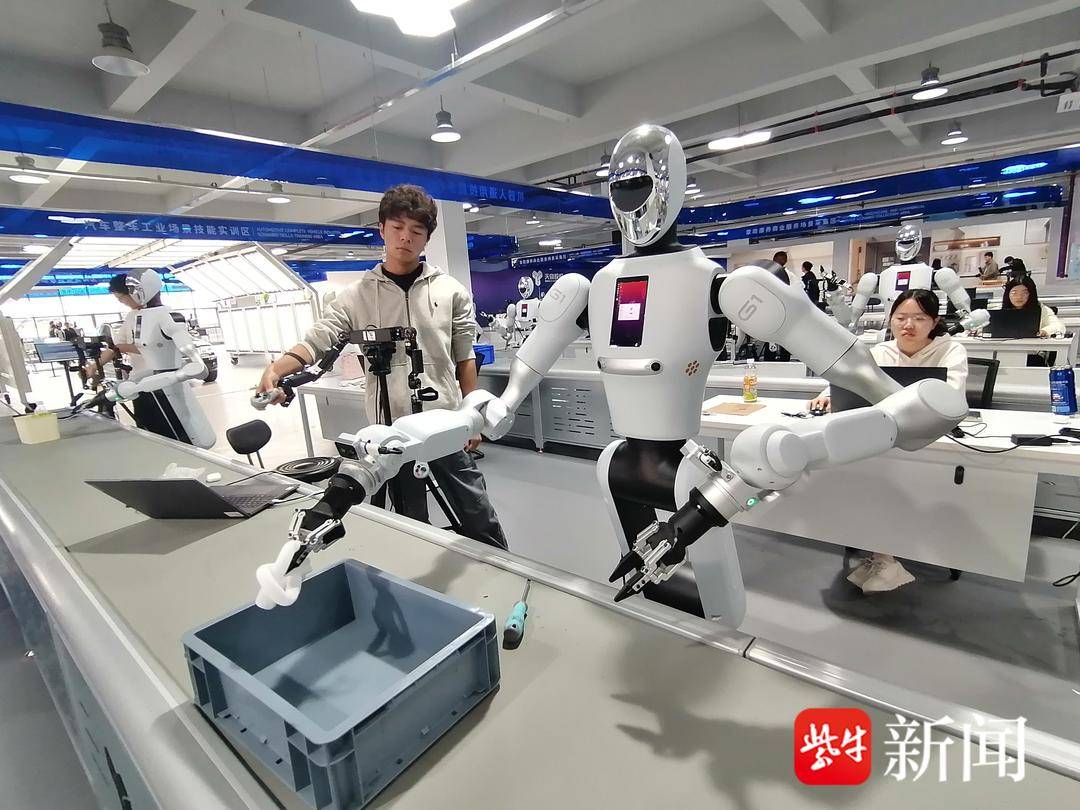
AI赋能

Search documents
山东海化:“零手动”助力“两升一降”
Zhong Guo Hua Gong Bao· 2026-01-28 03:04
引入工艺优化智能体 碳化转化率提升0.5% 作为传统化工企业,山东海化的数智化转型之路难题和压力不小,但"零手动"项目写下的"效率账 本"上,实实在在的数字见证着转型的足迹和成效。 打造设备预测性维护智能体 故障识别准确率超95% 1月22日,山东海化氯碱公司调度室的大屏上,一条"氯气压缩机振动异常"的红色预警弹出,让调度员 立马警觉起来。此时系统已自动"凝时回溯"异常阶段全量数据,并通过交互分析,同步推送故障原因与 检修方案。 "过去我们一直困在'过度维护'和'非计划停机'的两难里。"闫国辉算了笔账,单条氯碱产线非计划停机1 小时,直接损失超3万元,而每次停机至少8个小时才能恢复生产,若引发氯气泄漏,安全风险更是不堪 设想。 2025年2月,山东海化联合浪潮数字企业共同打造设备预测性维护智能体。据浪潮数字企业平台产品事 业部副总经理吴铭福介绍,该智能体首次部署时,准确率只有60%~70%。为此,工程师们一遍遍对接 老师傅,把经验转化为技术参数,搭建AI预测模型与专家系统,实现氯气压缩机故障毫秒预警、智能 诊断与自动派单,故障识别准确率超95%。该智能体的应用,也让氯气压缩机非计划停机次数由2024年 的4次 ...

家电消费新主张,要大美好,更要“真智能”|世研消费指数品牌榜Vol.100
3 6 Ke· 2026-01-27 09:48
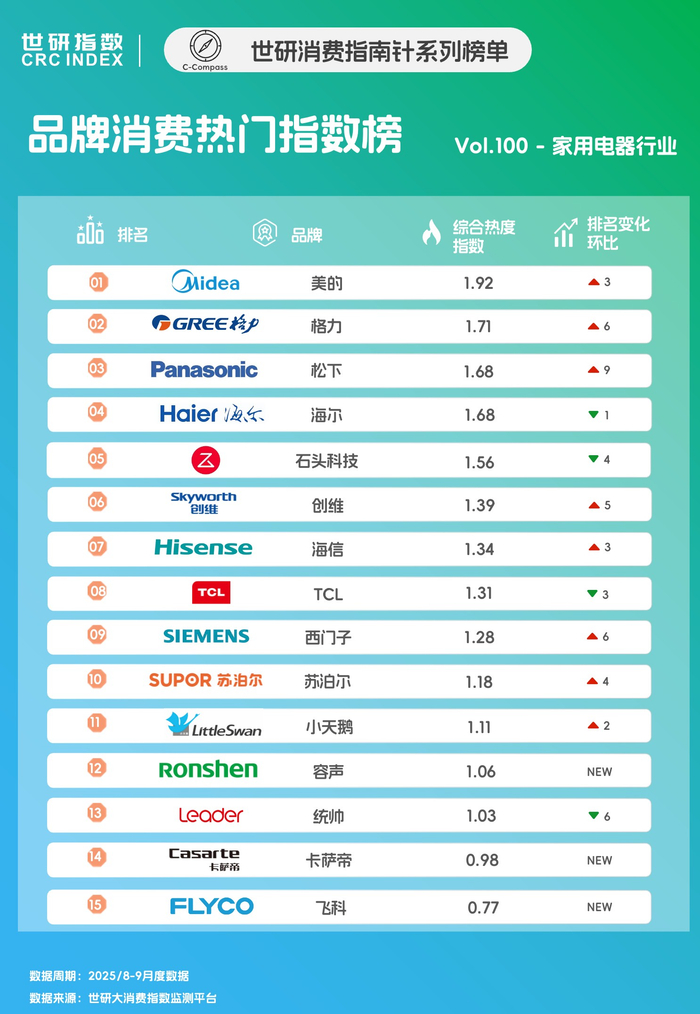
Core Insights - The traditional growth logic of "price for volume" is becoming unsustainable as market growth slows and consumer behavior becomes more rational, prompting leading brands to focus on technological innovation and strategic transformation in the home appliance industry [1] Group 1: Industry Trends - Key trends reshaping the home appliance industry include AI empowerment, health concepts, high-end positioning, and cross-industry integration [1] - The current monitoring period shows that Midea, GREE, and Panasonic lead the heat index rankings with scores of 1.92, 1.71, and 1.68 respectively [2][3] Group 2: Technological Innovations - Midea has launched a new dual-air outlet central air conditioning system aimed at providing a revolutionary user experience, while GREE focuses on AI and energy-saving technologies with its new product lines [4] - Haier emphasizes comprehensive air solutions and has introduced several innovative products, including the industry's first AI air conditioning group standard [4] Group 3: Strategic Transformations - The slowdown in industry growth has led brands to pursue high-end and cross-industry strategies for counter-cyclical growth, as seen with Skyworth's significant revenue increase driven by its new energy business [5] - High-end brands like Casarte have shown resilience, achieving positive growth in a challenging market, highlighting the importance of differentiated competitive strategies [5]






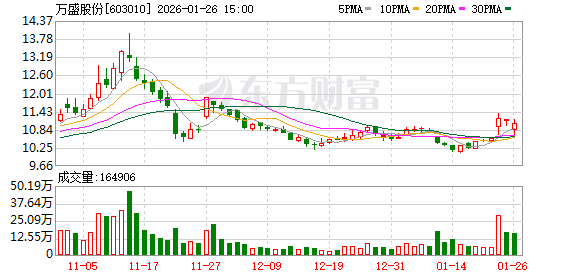
万盛股份:公司将持续通过智能驱动赋能产品研发与产业升级
Zheng Quan Ri Bao· 2026-01-26 13:45
Group 1 - The core viewpoint is that AI-enabled new material research and development is a significant trend for technological upgrades in the industry [2] - The company will continue to leverage intelligent driving to empower product development and industrial upgrades [2] - This strategy aims to establish a solid foundation for the company's long-term growth potential [2]

2025家用纺织品行业简析报告
MCR嘉世咨询· 2026-01-26 01:45
Investment Rating - The report indicates that the home textile industry is currently in a mature phase with a low market concentration, as evidenced by a CR5 of only 3.7% in 2024, suggesting potential for growth in market share among leading brands [30]. Core Insights - The market size of China's home textile industry is projected to reach 327.9 billion yuan in 2024, with bedding products accounting for approximately 72% of the market share [4][33]. - The industry is transitioning from a traditional channel-driven model to a dual-driven model focusing on products and brands, with profit sources shifting from scale effects to technological added value and brand premiums [4][20]. - The emergence of the sleep economy and technological innovation is driving new growth, with consumer decision-making shifting from aesthetic to experiential factors [4][39]. - Government policies, including "old-for-new" exchange and subsidies, are stimulating demand, particularly in online channels, with subsidies typically set at 15% of the sales price and a maximum of 2,000 yuan per product [18][19]. Summary by Sections Industry Definition - Home textiles encompass a consumer-oriented industry centered around textile products for living environments, including bedding, bath textiles, and living room textiles, with bedding being the core segment [5][8]. Market Structure - The home textile market is primarily composed of bedding (72%), living room textiles (14%), and bath textiles (9%) [7]. Industry History - The development of the home textile industry can be divided into three phases: 1. Growth driven by real estate and weddings (before 2015) 2. Market adjustment driven by daily replacements (2015-2024) 3. New growth driven by the sleep economy and technological innovation (2025 onwards) [11][13][15][17]. Policies - Recent government initiatives, including consumption subsidies and "old-for-new" policies, have significantly stimulated demand, especially in online channels [18]. Business Model - The core business logic of the home textile industry involves R&D and supply chain integration to produce textile products that meet consumer needs, transitioning from traditional channel-driven to a dual focus on product and brand [20]. Industry Chain Analysis - The industry chain includes upstream raw material supply, midstream product design and manufacturing, and downstream sales channels, with midstream being the core value-creating segment [23]. Upstream Analysis - Raw material prices are volatile, significantly impacting production costs, with materials accounting for over 80% of total costs for companies like Fuanna [26][27]. Downstream Analysis - The home textile industry is expected to maintain a stable growth rate of approximately 1.5% from 2025 to 2029, with online sales channels accounting for 34.4% of the market [33][36]. Future Prospects - The report highlights opportunities in health-functional textiles, the aging population market, and the benefits of cross-border e-commerce, which can enhance market reach [44][45][46].
双周报 | 2026年第1-2周中国运动相机(含全景、可穿戴系列)线上零售市场品牌销量排行榜
Xin Lang Cai Jing· 2026-01-24 06:18
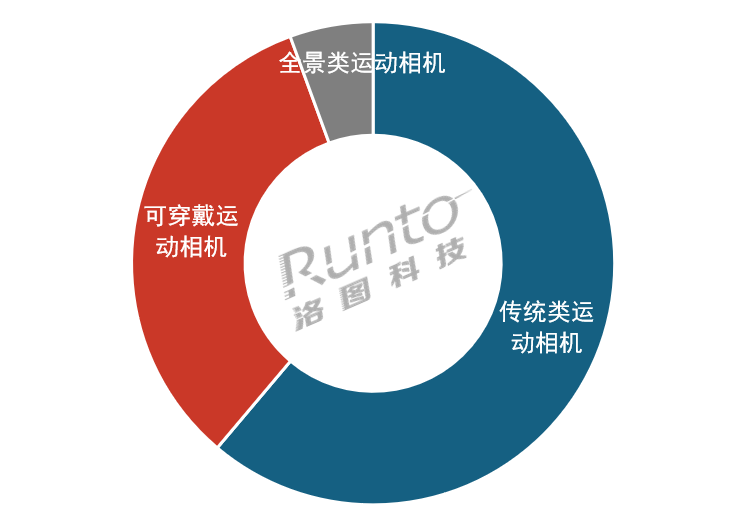
Core Insights - The outdoor adventure trend and diverse content creation scenarios have made action cameras essential for outdoor enthusiasts and content creators, with companies like RUNTO defining these cameras as devices that offer strong stabilization, high protection, and compact, wearable features [1] Product Form Factors - Action cameras are categorized into three main types: traditional action cameras, panoramic action cameras, and wearable action cameras. Traditional action cameras focus on outdoor sports with waterproof and anti-shake features, represented by DJI's Osmo Action series and Insta360's Ace Pro series. Panoramic cameras provide 360-degree shooting capabilities, while wearable cameras are designed for diverse wearing needs [2] - In the first two weeks of 2026, traditional action cameras accounted for 61.1% of sales, wearable action cameras for 33.3%, and panoramic action cameras for 5.6% [2] Brand Landscape - The action camera industry has high barriers to entry due to technology, brand, channel, cost, and intellectual property, resulting in a concentrated competitive landscape. The market below 300 yuan is dominated by entry-level products and white-label manufacturers, lacking the core experience of mainstream brands [5] - In the first two weeks of 2026, DJI and Insta360 together held 84.6% of the market share, with DJI accounting for 70.8% of sales revenue and Insta360 at 24.9% [6] - DJI led in all three product categories, with a 71.8% market share in traditional action cameras, 52.2% in wearable cameras, and 53.6% in panoramic cameras [6] Best-Selling Products - The top three products in the traditional action camera market were DJI's Osmo Action 4, 5, and 6 series. In the wearable action camera market, DJI's Osmo Nano was dominant, while Insta360's GO series held two spots. For panoramic cameras, DJI's Osmo 360 captured a significant market share [10] - Overall, the action camera market is still developing but is driven by AI integration, professional scene innovation, and personal creative expression, indicating a growing market potential [10] Market Tracking - To provide timely insights into market dynamics, RUNTO will regularly publish a bi-weekly report on the online retail market for action cameras, offering detailed analysis of competitive trends [11]
汽车行业2026年投资策略:汽车出海迈入深水区,智能化&机器人大展宏图
Southwest Securities· 2026-01-23 12:34
Investment Rating - The report provides a positive investment outlook for the automotive industry, particularly focusing on smart vehicles, new energy vehicles, commercial vehicles, and humanoid robots, indicating significant growth potential in these sectors [1][2]. Core Insights - The automotive industry is entering a transformative phase driven by policies that support the development of smart vehicles and the expansion of new energy vehicles. The report highlights the acceleration of intelligent driving technology and the increasing market penetration of new energy vehicles [3][4]. Summary by Relevant Sections Smart Vehicles - The report emphasizes that the intelligent vehicle sector is experiencing rapid advancements due to policy support, with L3 vehicle standards expected to be implemented by 2026. The adoption of advanced driving assistance systems (ADAS) is increasing, with new vehicle models showing significant growth in features like highway and urban NOA (Navigation on Autopilot) [4][68]. - The financing landscape for autonomous driving is booming, with 35 companies in the sector raising over 582 billion yuan in 2025, nearly three times the amount raised in 2023 [4][80]. New Energy Vehicles - The continuation of vehicle replacement policies is expected to bolster sales, with wholesale volumes of new energy passenger vehicles projected to reach 18.16 million units in 2026, a year-on-year increase of 18% [4][34]. - Exports of new energy vehicles have shown remarkable growth, with a 102.5% year-on-year increase in 2025, indicating strong demand in international markets [4][34]. Commercial Vehicles - The heavy truck sector is supported by ongoing vehicle replacement policies, with sales expected to reach 1.196 million units in 2026, reflecting a year-on-year growth of 4.6% [4][34]. - The report notes that the heavy truck market is benefiting from both domestic and international demand, with significant growth anticipated due to the continued penetration of new energy heavy trucks [4][34]. Humanoid Robots - The humanoid robot sector is poised for rapid growth, with applications in automotive manufacturing expected to enhance production efficiency. The report forecasts a compound annual growth rate of approximately 85% in humanoid robot shipments from 2024 to 2035 [4][34]. - The cost of humanoid robots is expected to decrease significantly, with projections indicating that the price of a standard humanoid robot could drop from $80,000-$90,000 to $15,000-$20,000 by 2030 [4][34]. Policy Environment - The report highlights a favorable policy environment that is increasingly supportive of the automotive industry's transition towards smart and electric vehicles. Key policies include the approval of L3 autonomous vehicle models and the establishment of unified standards for vehicle replacement subsidies [4][53]. Market Trends - The automotive market is witnessing a shift towards intelligent and electric vehicles, with consumer preferences evolving towards higher levels of automation and connectivity in vehicles. The report indicates that the penetration rate of intelligent driving features is expected to increase significantly in the coming years [4][68]. Capital Market Activity - The report notes a surge in investment activity within the autonomous driving sector, indicating a strong belief in the future growth of this industry. The capital market's enthusiasm is reflected in the substantial funding raised by various companies, signaling a robust outlook for the sector [4][80].



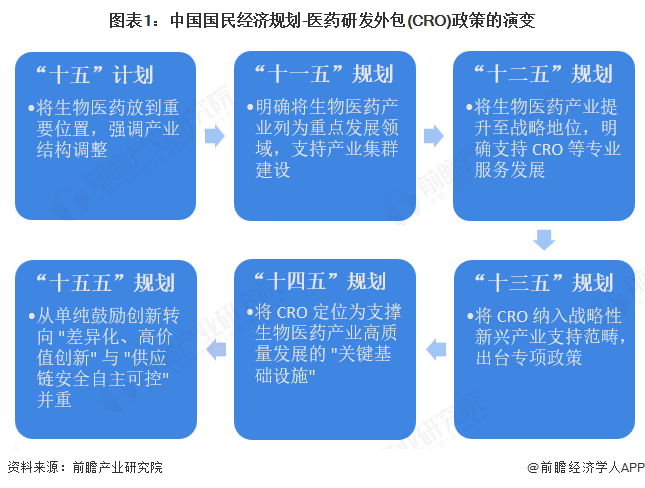
2025年中国医药研发外包(CRO)行业政策分析 药审改革推动行业发展提速【组图】
Qian Zhan Wang· 2026-01-23 09:08
Core Viewpoint - The report highlights the significant growth and development of China's Contract Research Organization (CRO) industry, driven by a comprehensive policy framework and regulatory reforms that enhance innovation and operational efficiency in the pharmaceutical sector [1][3][9]. Group 1: Industry Overview - The main listed companies in China's CRO industry include WuXi AppTec (603259.SH), Kanglong Chemical (300759.SZ), Tigermed (300347.SZ), Kelaiying (002821.SZ), Zhaoyan New Drug (603127.SH), Jiuzhou Pharmaceutical (603456.SH), Haoyuan Pharmaceutical (688131.SH), Boteng Co., Ltd. (300363.SZ), Chengdu XianDao (688222.SH), and Yaoshi Technology (300725.SZ) [1]. - The CRO industry is recognized as a strategic emerging industry that supports pharmaceutical innovation, transitioning China from a major pharmaceutical market to a strong one [1]. Group 2: Policy Framework - The policy framework for the CRO industry is centered around the National Medical Products Administration (NMPA) and includes collaboration with other regulatory bodies such as the National Health Commission (NHC) and the Drug Administration (CDR) [3]. - Key regulatory measures include the Marketing Authorization Holder (MAH) system, implicit licensing for clinical trials, Good Laboratory Practice (GLP) and Good Clinical Practice (GCP) certifications, and priority review and approval processes [3]. Group 3: Industry Support Policies - National policies provide financial support through initiatives like the "Major New Drug Creation" program, tax reductions for high-tech enterprises, and increased deductions for R&D expenses, which lower operational costs for the industry [6]. - Local governments implement differentiated policies that align with regional industrial characteristics, including subsidies for innovative drug development and funding for CRO platform construction [6]. Group 4: Drug Review Reforms - Recent reforms in drug review processes have significantly improved approval efficiency, reducing the average clinical trial review time from 420 days to 30 days in pilot areas, and addressing a backlog of 22,000 cases [9][12]. - The definition of new drugs has shifted from "China New" to "Global New," aligning with international standards and enhancing the quality of innovation [12]. Group 5: Future Trends - The future of the CRO industry in China is expected to be driven by a robust policy framework, with trends including deeper collaboration in service models, increased application of AI and digital platforms, and a focus on specialized market segments [13]. - The competitive landscape is anticipated to evolve with the rise of domestic leaders and accelerated internationalization, benefiting from improved mechanisms for mutual recognition of clinical trial data [13].





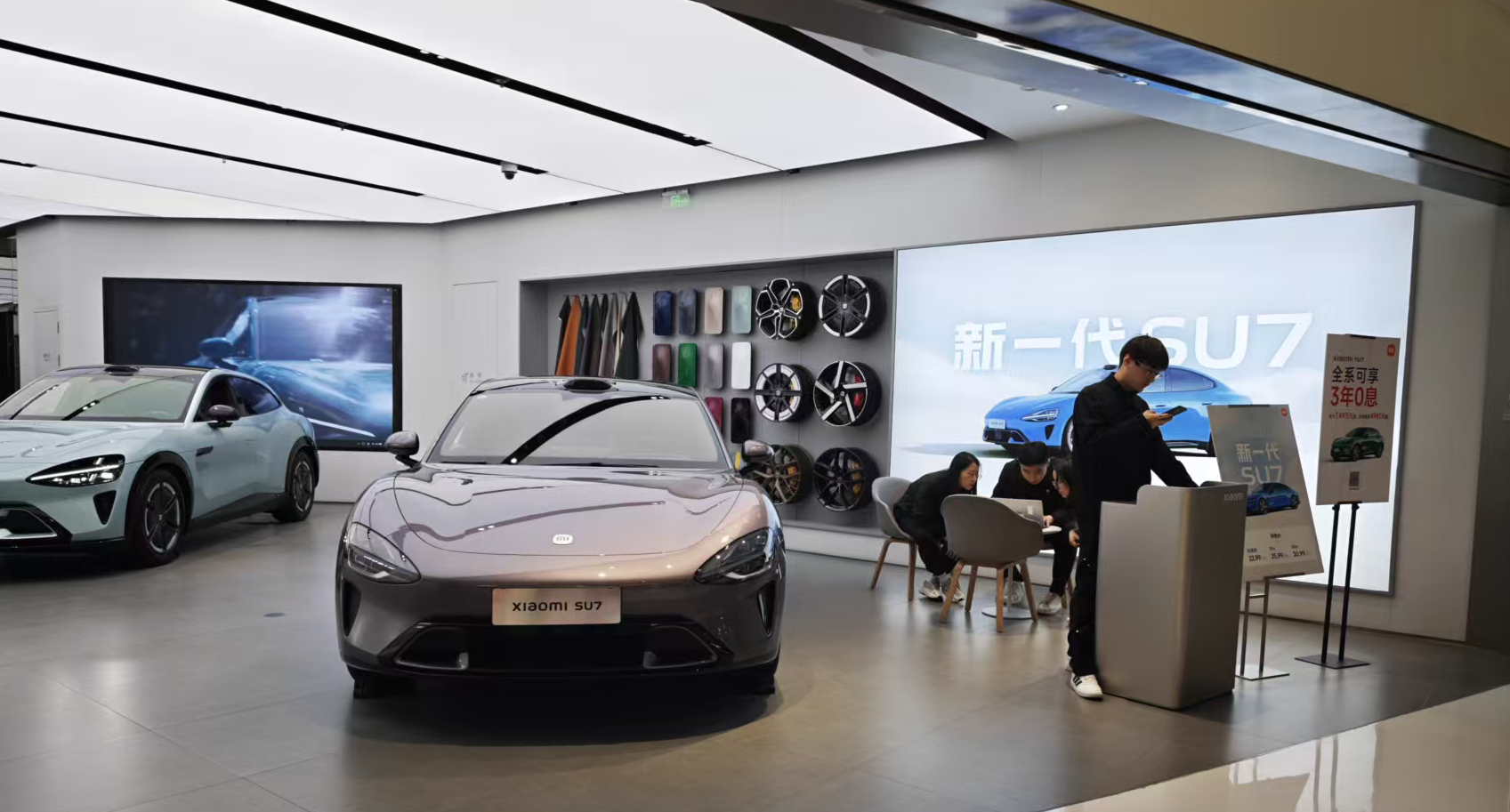
新一代小米SU7,预售半月订单近10万
财联社· 2026-01-23 06:47
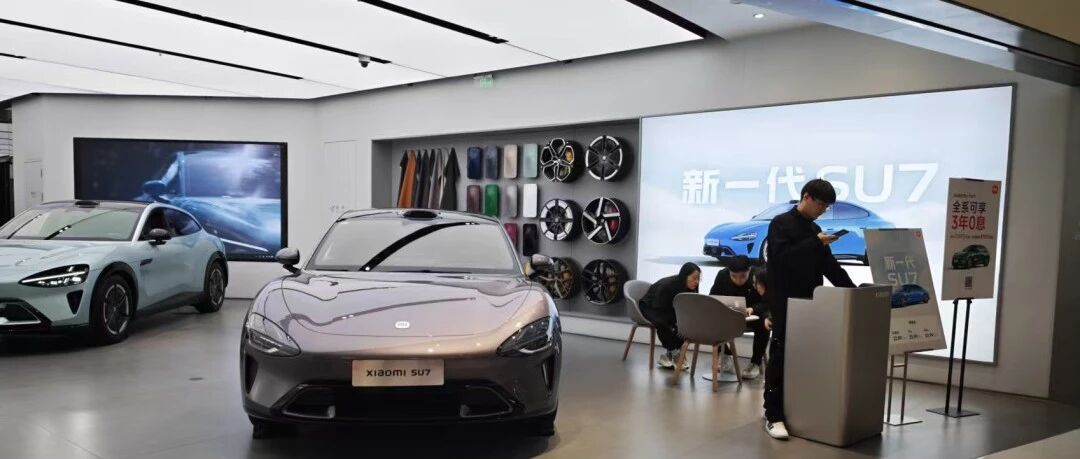
Core Viewpoint - The new generation Xiaomi SU7 has generated significant market interest despite a price increase, with strong pre-order numbers indicating robust demand for the vehicle [1][4]. Group 1: Market Response - Since the pre-order launch on January 7, the new generation Xiaomi SU7 has received nearly 100,000 orders across approximately 477 stores [4]. - In Beijing, one store reported over 400 pre-orders, while another noted around 200 orders, showcasing strong customer engagement [1]. - In Shanghai and Wuhan, each store has surpassed 100 orders, with sales staff managing over 10 orders each [3]. Group 2: Production and Delivery Strategy - Xiaomi has shifted to a "current vehicle sales" model for existing SU7 models to clear inventory, while prioritizing production capacity for the new generation SU7 [4]. - The company aims to avoid the long delivery times experienced with the previous model, Xiaomi YU7, by implementing a pre-order phase to gauge demand and manage supply chain effectively [4]. Group 3: Marketing and Transparency - Xiaomi has initiated a marketing campaign three months ahead of the new generation SU7's expected launch in April, with CEO Lei Jun conducting multiple live streams to promote the vehicle [5]. - The company is committed to transparency in its marketing, simplifying promotional materials and providing clear specifications, such as specific voltage ratings for the new vehicle [5]. Group 4: Future Goals and Product Line - Xiaomi's cumulative delivery target for 2026 is set at 550,000 vehicles, with plans to introduce two new models, including the new generation SU7 and an unannounced Xiaomi YU7 ULTRA [6]. - The new generation SU7 is positioned as a key product in Xiaomi's strategy, which includes a commitment of at least 200 billion yuan for technology research and development over the next five years [5][6].

预售半月后多家门店小定破百 新一代小米SU7将再成“爆款”?
Xin Lang Cai Jing· 2026-01-23 04:54
Core Insights - The new generation Xiaomi SU7 has received strong market interest despite a price increase of 14,000 yuan, with over 100,000 orders accumulated since the pre-order began on January 7 [4][5]. Group 1: Market Response - Sales personnel reported significant customer inquiries and order volumes, with one store in a key Beijing shopping area exceeding 400 orders [2][3]. - In addition to Beijing, the new Xiaomi SU7 has also surpassed 100 orders in stores located in Shanghai and Wuhan [3]. Group 2: Production and Delivery Strategy - Xiaomi has shifted to a "current vehicle sales" model for existing SU7 models, ceasing personalized configuration to manage inventory effectively [4]. - The company has prioritized production capacity for the new SU7 to avoid previous delivery issues experienced with the Xiaomi YU7, which had delivery times exceeding one year [4]. Group 3: Marketing and Transparency - Xiaomi has initiated a marketing campaign three months ahead of the new SU7's expected launch in April, with CEO Lei Jun conducting multiple live broadcasts to promote the vehicle [5]. - The company aims to enhance market reputation by adopting transparent marketing practices, clearly stating technical specifications instead of vague descriptions [5]. Group 4: Future Goals and Product Line - Xiaomi has set a delivery target of 550,000 units for 2026, building on a cumulative delivery of 411,800 units in 2025, which exceeded the annual goal by 17% [6]. - The company plans to launch two new models in 2026, including the new generation SU7 and an unannounced YU7 ULTRA [6].
2026年怎么发展?无锡明确这样干
Yang Zi Wan Bao Wang· 2026-01-22 12:54
Core Viewpoint - Wuxi aims to maintain a stable yet progressive economic strategy, focusing on expanding domestic demand, optimizing supply, and enhancing productivity while ensuring social stability and contributing to national and provincial development goals [1]. Group 1: Economic Goals - The main economic and social development targets for Wuxi by 2026 include a GDP growth of 5%, the creation of 130,000 new urban jobs, and a retail sales growth of approximately 4% [1][5]. - The city plans to keep the consumer price increase within the provincial range and ensure that per capita disposable income grows in line with economic growth [1]. Group 2: Key Focus Areas - Strengthening domestic demand to consolidate economic improvement by enhancing internal consumption and circulation [5][6]. - Building a modern industrial system by integrating projects, enterprises, and industries, while leveraging AI to enhance industrial capabilities [6]. - Promoting innovation to create a high-tech industrial hub by aligning innovation and industrial chains, particularly in the context of the Shanghai International Science and Technology Innovation Center [6]. - Deepening reforms and opening up to stimulate economic vitality and address challenges [6]. - Coordinating multi-dimensional development to enhance regional integration and urban-rural collaboration [6]. - Leading a comprehensive green transition by implementing sustainable practices and promoting environmental quality [6]. - Prioritizing public welfare to lay a foundation for common prosperity by addressing community needs [6]. - Ensuring safety and stability through risk prevention and modern governance [6].