Tariffs

Search documents
Trump rolls back Brazil tariffs as U.S. faces higher grocery prices
NBC News· 2025-11-21 22:39
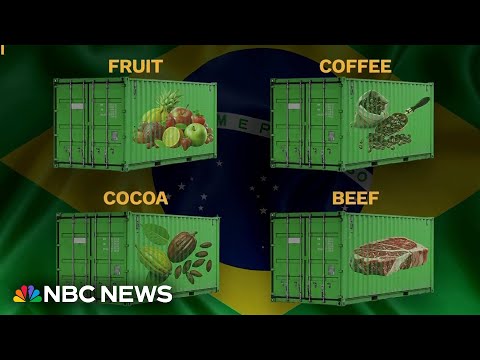
We do want to turn now to more economic fallout from the government shutdown. The Bureau of Labor Statistics announcing it is cancelling its October inflation report and delaying the release of its November report. The announcement coming as the White House appears to be responding to growing frustration among consumers and voters on the issue of inflation and the cost of food.The president announcing late yesterday that he's rolling back tariffs on additional imports from Brazil, including fruit, coffee, c ...

Therabody CEO speaks about tariff effects on wellness industry and holiday spending
NBC News· 2025-11-21 20:30
Tariff Impact & Supply Chain - Tariffs in 2025 presented challenges for TheraBody, leading to supply chain diversification out of China and operating expense reductions [2][3] - A slight price increase was implemented, the first since the company's inception [3] - The recent tariff reduction of 10% by the administration is being immediately passed on to consumers [4] Consumer Behavior & Sales Performance - TheraBody is observing strength in new product sales, aligning with expectations [6] - Black Friday and Cyber Monday results were in line with projections [6] - The company is offering greater discounts at entry price points to maintain competitiveness [7] - Consumers are demonstrating resilience and are not compromising on wellness despite economic challenges [7][10] Wellness Industry & Product Strategy - The wellness industry is now a $2 trillion market, with Americans spending over $6,000 per person annually [8][9] - TheraBody's products are positioned within the wellness technology area, offering alternatives to pain medication [11] - The company is expanding its technology from athletes to a broader audience, including wellness facial beauty products [13] - The Face Glow Mask features 504 lights and has undergone the largest clinical study, showing results within 12 weeks [13]
AI will enhance productivity and empower workers to do higher value things: Everforth CEO Ted Hanson
CNBC Television· 2025-11-21 20:21
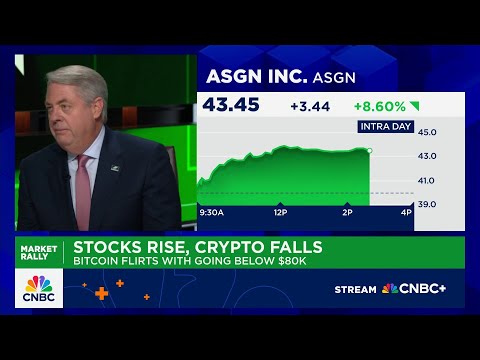
Economic & Market Outlook - Tariffs, AI adoption, and potential government shutdowns are key concerns for Fortune 500 companies [2][3] - A new budget with double-digit appropriation increases for advanced technologies in defense, intel, and national security could lead to a more productive marketplace in the first half of the year [4][5] - Failure to pass a new budget could result in continued resolutions, hindering government initiatives [5] AI & Technology - Companies are struggling with technical debt and siloed data, hindering AI implementation and ROI [6][7] - AI is viewed as a tool to enhance productivity and enable knowledge workers to perform higher-value tasks [6] - ASGN's AI factory aims to simplify AI implementation for clients by providing readymade assets and IP [7] Company Strategy & Rebranding - ASGN is rebranding to Everth to present a unified $4 billion business offering comprehensive solutions to enterprise customers [8][9] - The rebranding focuses on bringing technology together to solve critical business problems [8] - Over 70% of ASGN's government work is in cybersecurity, AI, data, and other advanced technologies [4]
How Trump's tariff rollback will impact your grocery prices
CNBC Television· 2025-11-21 19:52
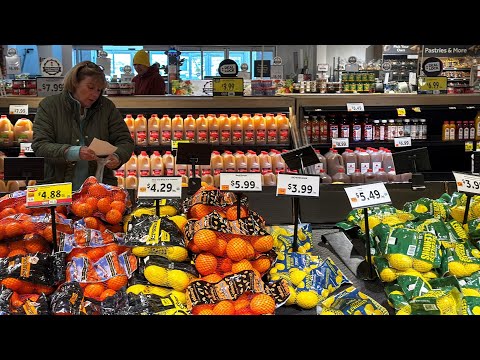
Tariff Adjustments & Impact - The US government is rolling back tariffs on specific grocery items to combat higher food prices [1] - Tariffs on coffee and beef from Brazil, a major supplier to the US, have been reduced from 50% to 40% [1] - Economists believe that the tariff rollback may not immediately lower prices due to existing inventories purchased under higher tariffs [2] - Increased tariffs on steel and aluminum, raised from 25% to 50%, will impact the price of canned goods and machinery [3] Supply Chain Disruptions & Price Pressures - It takes approximately 6 months for prices to adjust after disruptions, with no guarantee of returning to previous levels [3] - Double-digit tariffs on imported fertilizers are increasing the cost of growing crops for animal feed [4] - Cocoa inventories are experiencing smaller crops due to drought [4] - Bird flu is impacting 2 million turkeys, leading to the smallest US flock in 40 years [4] - A ringworm outbreak in Mexico has resulted in a US ban on all Mexican beef imports, coinciding with the smallest US herd in 74 years [4] Retail Strategies & Consumer Impact - Retailers are offering affordable Thanksgiving Day dinner packages by substituting brand names with private label versions [5] - Walmart's Thanksgiving bundle study claims a 25% price decrease compared to the previous year, but the bundle contains 30% less product [5][6]
Jim Cramer Gets Into Spirited Debate About Home Depot (HD) With Co-Hosts
Yahoo Finance· 2025-11-21 19:21
Core Viewpoint - Jim Cramer has issued a Buy recommendation for The Home Depot, Inc. (NYSE:HD), highlighting it as a premier stock to consider during interest rate cuts, despite its recent underperformance and lack of revenue growth since COVID [2]. Group 1: Company Performance - The Home Depot has been labeled as "the worst acting stock" in Jim Cramer's Charitable Trust prior to his recent Buy recommendation [2]. - Cramer noted that the company is historically a good buy when housing conditions are poor, suggesting that current market conditions may present a buying opportunity [2]. - The stock currently offers a yield of 2.6%, with potential for it to rise to 3% [2]. Group 2: Market Conditions - Cramer emphasized that the current economic environment, including potential interest rate cuts, makes The Home Depot a favorable investment despite concerns about housing and consumer spending [2]. - The discussion highlighted the challenges faced by the housing market, which is at a 40-year low, impacting revenue growth for The Home Depot [2]. - Cramer acknowledged the uncertainty surrounding tariffs and their impact on the company's operations, but remains optimistic about the potential for recovery [2].

X @Investopedia
Investopedia· 2025-11-21 19:00
Tariffs influenced the buying decisions of more than a third of car buyers this year, showing the far-reaching effects of President Donald Trump's sweeping import taxes. https://t.co/QMo25JQaPu ...
Why the prices of Italian pasta could be set to surge
MSNBC· 2025-11-21 18:10
Trade Policy & Tariffs - The Trump administration removed 40% tariffs on some Brazilian products, including beef, coffee, cocoa, and fruit [1] - President Trump is threatening to impose 107% tariffs on imported pasta from Italy, accusing Italian pasta producers of dumping [6] - The Commerce Department initially launched its review in 2024 after complaints from American companies that own pasta brands Ronzone, Muellers, and Prince [7] - The US is Italy's second biggest export market for pasta [7] - Italian pasta producers deny the dumping allegations, stating their pasta is consistently priced higher in the US market [8] - Some argue the tariffs could be a way to get Italian companies to move their production to the US, but Italian producers say it's impossible in a reasonable time [8] Economic Impact & Market Concerns - The tariffs could cause the price of Italian pasta to surge, potentially leading to panic buying [7] - The move to impose tariffs on pasta is seen by some as more political than economic, signaling that no sector or country is safe [9] - There are concerns about the potential for the Supreme Court to overturn the president's authority to assign these tariffs, which could lead to refunds and a hit to US coffers [12] - The fundamental contradiction around the tariff policy is whether it's designed to help American industry or to raise revenue [18] - The administration is considering giving people a tariff refund, which raises questions about the efficiency and purpose of the whole process [19][20] Potential Future Actions - Italian pasta producers are hoping to negotiate with President Trump, similar to how tariffs on European wines were reduced [10] - A future Democratic administration might also consider keeping some of the tariffs in place as a source of revenue [16][17]

Tariff Tally: Growing Costs Become Operational Feature, Not Bug
PYMNTS.com· 2025-11-21 16:41
Core Insights - Consumers are becoming more deliberate in their big-ticket spending, leading to sharper demand fluctuations that require companies to adjust their production and promotional strategies [1][12] - Tariffs are increasingly seen as a permanent operating cost, with significant variations in corporate readiness across different sectors [1][3] - The tariff environment is now viewed as a mature phase, influencing corporate strategies and operational planning [1][4] Corporate Strategy and Tariffs - Companies are no longer questioning the continuation of tariffs but are focusing on how to strategically adapt to the ongoing global trade tensions [3][11] - Toyota experienced a $3 billion impact from tariffs but still raised its guidance, indicating a proactive approach to tariff management [3][4] - In contrast, Traton, Volkswagen's trucking subsidiary, reported a 39% decline in operating profit, highlighting the challenges some companies face in adapting to cost pressures [5] Operational Adjustments - Tariffs have become a competitive differentiator, revealing the strengths and weaknesses in corporate strategies, procurement flexibility, and operational coherence [6][9] - Companies are increasingly diversifying their supply chains as a growth strategy rather than a defensive measure [10] - Firms are adjusting their product evaluations and business units in response to tariff costs, often streamlining portfolios or shifting to higher-margin categories [10][11] Consumer Behavior and Market Dynamics - Consumers are strategically deferring big-ticket purchases, creating demand curves with sharper peaks and troughs, which forces companies to refine their production and promotional calendars [12] - Tariffs have raised input costs for various industries, including toy manufacturing and furniture, complicating the ability to pass these costs onto consumers [7][8] - Companies like Sony have successfully navigated the tariff landscape by implementing agile supply chain strategies, resulting in an 8% forecast increase [8]


Tariffs Made Car Buyers Hit The Gas
Investopedia· 2025-11-21 13:03
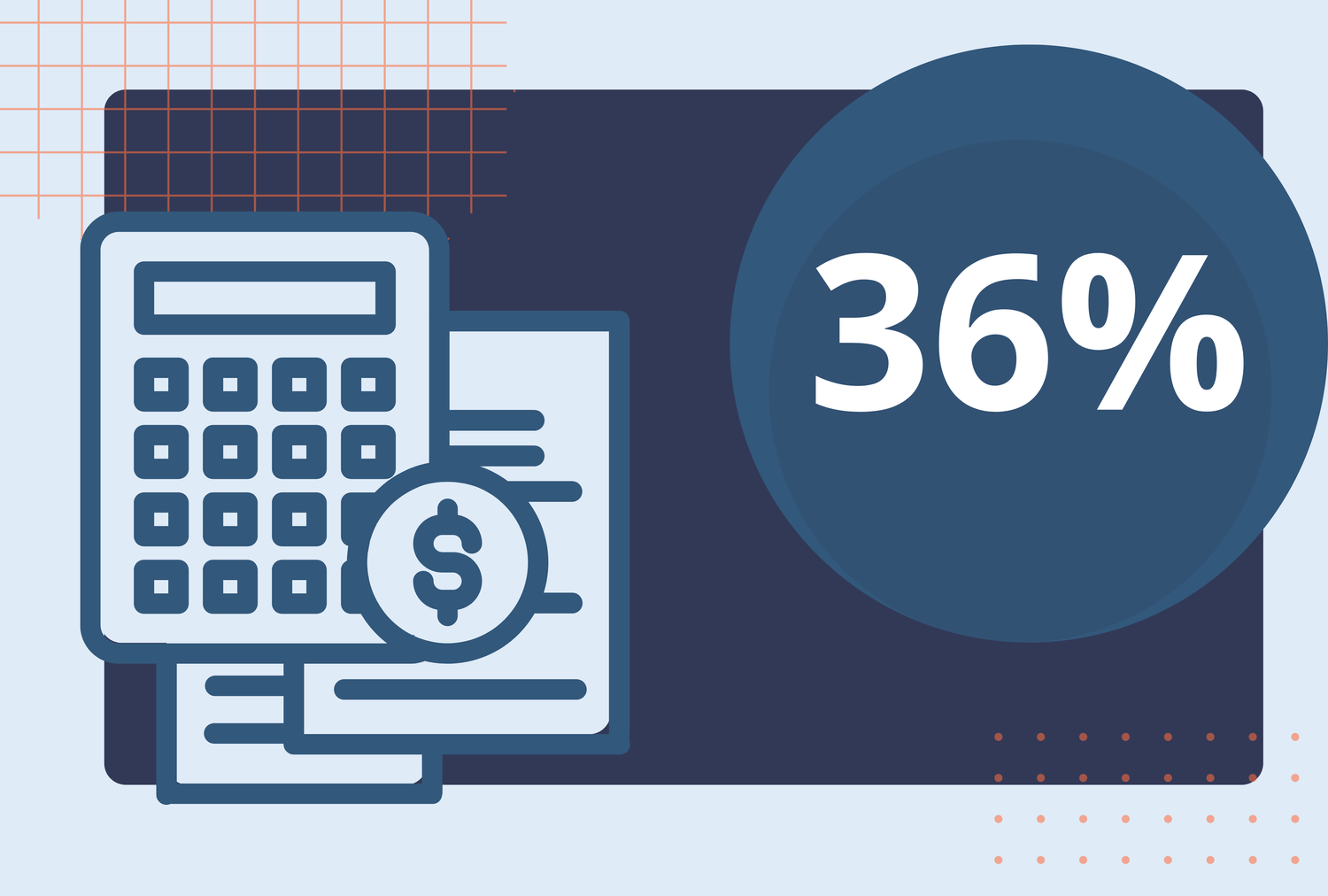
Core Insights - More than a third of car buyers adjusted their purchase plans due to tariffs, with 36% indicating that tariffs influenced their buying decisions, and 87% of those buyers made their purchases sooner than originally planned [1][7] - The survey conducted by J.D. Power highlights the significant impact of tariffs on consumer behavior and spending patterns in the automotive sector [5][7] Impact on Prices - 15% of respondents reported paying more than they had initially planned for their vehicle purchases, indicating a direct effect of tariffs on pricing [2] - Although tariffs have not yet significantly increased consumer prices, it is anticipated that manufacturers will begin passing on costs to consumers, with predictions of a 4% to 8% rise in vehicle prices for 2026 models [4] Economic Implications - The shift in buying habits among car buyers due to tariffs reflects broader changes in consumer spending patterns, which can have extensive repercussions for the U.S. economy [3][5] - Economists note that tariffs have contributed to increased prices and reduced job creation across various industries, showcasing the widespread economic effects of these trade policies [5]
Former Dallas Fed Pres. Richard Fisher: The Fed isn't responsible for what's happening in the market
Youtube· 2025-11-21 12:52
Group 1 - The Federal Reserve's decisions are currently under scrutiny, particularly regarding the potential for a rate cut in December, influenced by a mixed jobs report for September [1][2] - The focus is on whether there will be a divisive vote among the Fed governors, which could impact market perceptions and reactions [3][4] - Historical context is provided, noting past instances where Fed governors voted against the chair, indicating that such divisions are not unprecedented [5][6] Group 2 - The Fed's influence on the equity markets is questioned, with a suggestion that the credit markets are of greater concern to the Fed [3][6] - Despite recent rate cuts, the longer-end Treasury yields have not decreased significantly, indicating limited effectiveness of Fed actions on these rates [8][12] - The 10-year Treasury yield remains around 4%, suggesting that market movements are more driven by supply and demand rather than Fed policy [10][11] Group 3 - Businesses are facing uncertainty due to various economic factors, including tariffs, which complicates decision-making processes [17][18] - Companies are increasingly looking to technology and AI to manage costs and enhance productivity in response to economic pressures [19][20] - The Fed's actions are perceived to have a limited impact on business decisions, with a preference for stability in Fed policy amidst broader uncertainties [20]