
《新削减战略武器条约》

Search documents
中美举行军控会谈?中方回应
Huan Qiu Shi Bao· 2026-02-24 22:59
Group 1 - The Chinese Foreign Ministry spokesperson expressed the hope that the U.S. would engage in strategic stability dialogue with Russia and discuss the follow-up arrangements for the New START treaty [1] - The U.S. Assistant Secretary of State for Arms Control and Nonproliferation, Yeo, met with the Russian delegation and is scheduled to meet with China and other delegations in Geneva, indicating that these talks are more substantive following the expiration of the New START treaty [1] - The U.S. has reportedly held "preparatory" meetings with Russia and China in Washington after the New START treaty's expiration, and has communicated multiple times with the UK and France regarding nuclear weapons issues [1] Group 2 - Yeo accused China of significantly expanding its nuclear arsenal and conducting secret nuclear tests, while the Chinese disarmament ambassador refuted these claims, stating that the U.S. is fabricating excuses for its own nuclear test resumption [2] - Yeo claimed that the New START treaty has flaws due to China's "opaque nuclear weapons development," asserting that China is rapidly approaching the treaty's nuclear warhead limits and could have enough fissile material to produce over a thousand nuclear warheads by 2030 [2] - Military expert Zhang Junsha stated that the U.S. push for China to join nuclear disarmament talks is a pretext for its own nuclear arsenal expansion, highlighting that as of the end of 2024, China is estimated to have around 600 nuclear warheads, significantly fewer than the U.S. and Russia, which each have around 5,000 [2] Group 3 - Zhang Junsha argued that the U.S. aims to curb China's self-defense nuclear capabilities and use this as an excuse to withdraw from international nuclear mechanisms, noting that Russia has also questioned the sincerity of the U.S. in including the UK and France in negotiations [3] - He emphasized that China is the last of the five permanent members of the UN Security Council to develop nuclear weapons and is the only one that has committed to a no-first-use policy, maintaining a principle of minimum deterrence for self-defense [3] - The disparity in nuclear capabilities among the U.S., Russia, and China is significant, and the U.S. demand for China to join negotiations lacks both practical foundation and moral justification [3]
俄方称俄美将本着负责任立场就《新削减战略武器条约》谈判
Xin Hua Wang· 2026-02-06 11:29
Core Viewpoint - Russia and the United States are committed to a responsible approach regarding the New START treaty, emphasizing the need for prompt negotiations on this issue [1] Group 1: Negotiations and Discussions - Russian presidential spokesperson Peskov stated that the talks held in Abu Dhabi were "constructive," addressing future issues related to the New START treaty [1] - U.S. President Trump suggested on social media that instead of extending the New START treaty, efforts should focus on creating a "better and modernized" treaty that would be effective in the long term [1] Group 2: Treaty Background - The New START treaty was signed by Russia and the U.S. in 2010 to limit the number of nuclear warheads and delivery systems deployed by both countries [1] - The treaty officially came into effect on February 5, 2011, with an initial validity of 10 years, which was later extended through negotiations until February 5, 2026 [1]
特朗普:与其延长 不如制定美俄核军控新条约
Xin Lang Cai Jing· 2026-02-06 06:35
Core Viewpoint - President Trump advocates for the creation of a "better and modernized" treaty to replace the New START treaty with Russia, which he deems a "bad" agreement that has been "seriously violated" [1] Group 1: Treaty Context - The New START treaty was signed by the US and Russia in 2010 to limit the number of nuclear warheads and delivery systems deployed by both countries [1] - The treaty officially came into effect on February 5, 2011, with an original validity of 10 years, later extended to February 5, 2026 [1] Group 2: Current Negotiations - Reports indicate that US and Russian officials have been negotiating in Abu Dhabi regarding compliance with the New START treaty, nearing an agreement [1] - White House Press Secretary Levitt reiterated Trump's position, stating that experts should begin drafting a new treaty to replace the existing one [1]
俄安全会议副主席:《新削减战略武器条约》是建立信任的基础
Xin Hua She· 2026-02-02 10:36
Group 1 - The core viewpoint of the article emphasizes that the existence of the New START treaty between Russia and the United States serves as a foundation for building trust [1] Group 2 - Dmitry Medvedev, the Deputy Chairman of the Russian Security Council, highlighted the importance of the treaty in fostering bilateral relations [1]
俄称仍在等待美对《新削减战略武器条约》延期提议的答复
Yang Shi Xin Wen· 2026-01-29 13:53
Group 1 - The core point of the article highlights the impending expiration of the Russia-US New Strategic Arms Reduction Treaty on February 5, which raises concerns about the lack of a legal framework for global strategic stability [2] - Russia has proposed extending the core limiting provisions of the treaty for one year and is currently awaiting a response from the US, which has not yet been received [2] - The Kremlin has called for restraint regarding the Iran issue, emphasizing that the use of force would destabilize the region and that the potential for negotiations has not been exhausted [2] Group 2 - In discussions between President Putin and the Syrian transitional government President Sharrah, topics included Russian military bases in Syria, but no details were disclosed regarding the extradition of former Syrian President Bashar al-Assad [2] - Putin indicated that if the US does not take actions that disrupt the existing balance, Russia will continue to adhere to the core limitations of the treaty for one year after its expiration [3] - Putin also stated that if the US does not extend the treaty, Russia will not agree to an extension, even if the US later agrees to prolong it [3]

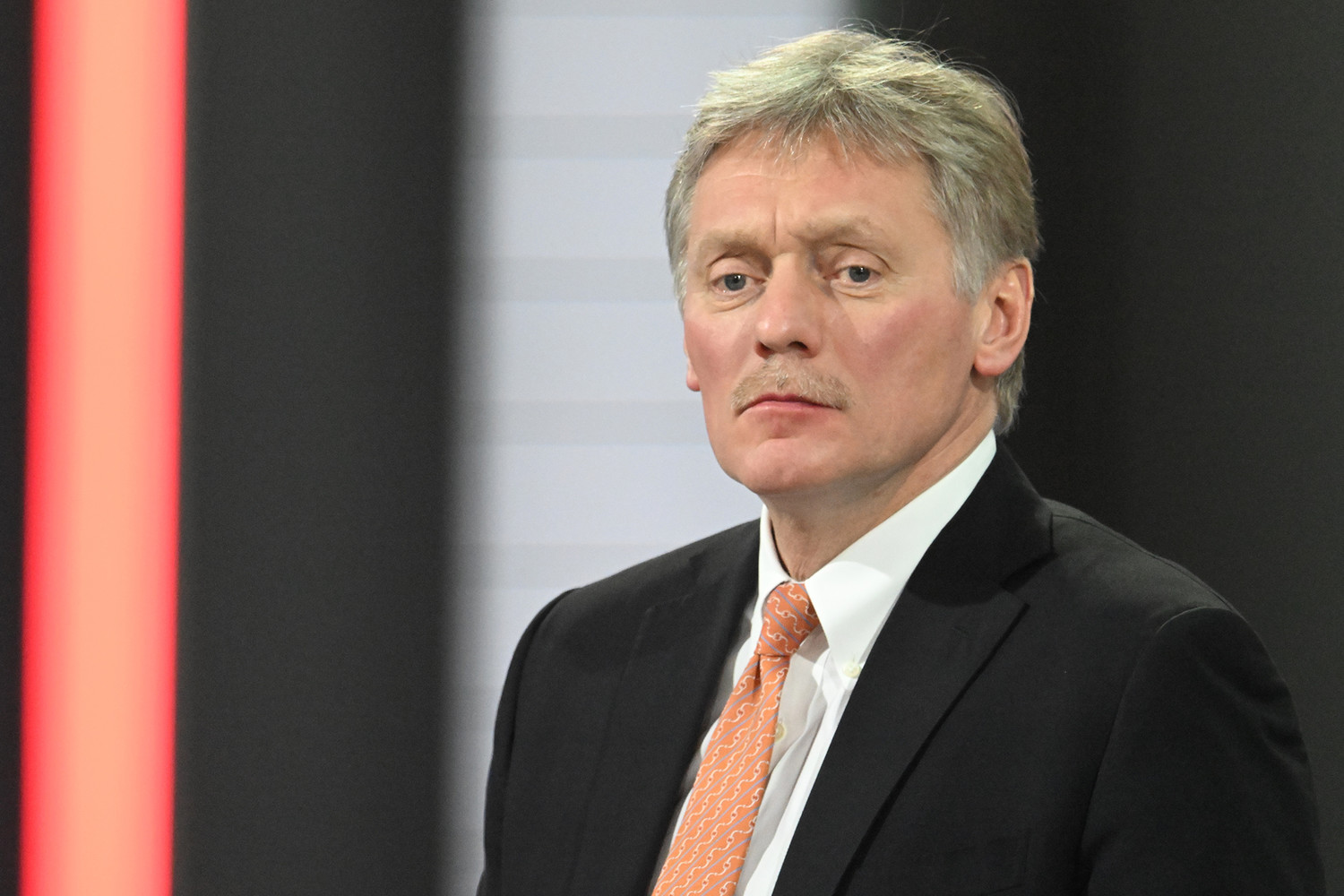
佩斯科夫:俄方认同美总统“泽连斯基拖延乌克兰危机解决进程”言论
Xin Lang Cai Jing· 2026-01-15 11:14
Core Viewpoint - The Russian government agrees with Trump's statement regarding Ukrainian President Zelensky's delay in resolving the Ukraine crisis, emphasizing President Putin's openness to finding a solution [1] Group 1: Russia's Position on Ukraine - Russia's presidential spokesperson Peskov stated that the Kremlin recognizes the need for continued dialogue with the United States regarding the Ukraine issue, considering it relevant and necessary [1] - Peskov highlighted that communication channels between Russia and the U.S. remain open for discussions on the ongoing Ukraine situation [1] Group 2: Strategic Arms Treaty - Peskov mentioned that Russia has not yet received a response from the U.S. regarding President Putin's proposal to extend the New START treaty, indicating that Russia is still awaiting a reply [1] - He emphasized the necessity of a more favorable New START treaty for all parties involved, acknowledging that the process of establishing such a treaty is complex and lengthy [1] - Peskov pointed out that Putin previously indicated the need to include the nuclear potential of all Western countries in the New START treaty discussions [1]
特朗普谈美俄《新削减战略武器条约》即将到期:到期就到期吧
Huan Qiu Wang· 2026-01-09 03:09
Group 1 - The core viewpoint of the article is that President Trump may allow the New START treaty between the US and Russia to expire and is not inclined to accept Russia's proposal to continue adhering to core restrictions after the treaty's expiration [1][3] - Trump expressed a desire to negotiate a better agreement and suggested that China should be included in future nuclear arms reduction talks, a notion that China has rejected as unreasonable and unrealistic [3][4] - The New START treaty, signed in 2010, aims to limit the number of nuclear warheads and delivery systems deployed by the US and Russia, originally set for a 10-year term but extended to February 5, 2026 [3][4] Group 2 - Russia's President Putin indicated that if the US does not disrupt the existing balance, Russia would continue to adhere to the treaty's core restrictions for one year after its expiration [4] - Russian Foreign Minister Lavrov stated that Russia does not intend to persuade the US to comply with this proposal but believes it aligns with the interests of both parties and the international community [4]
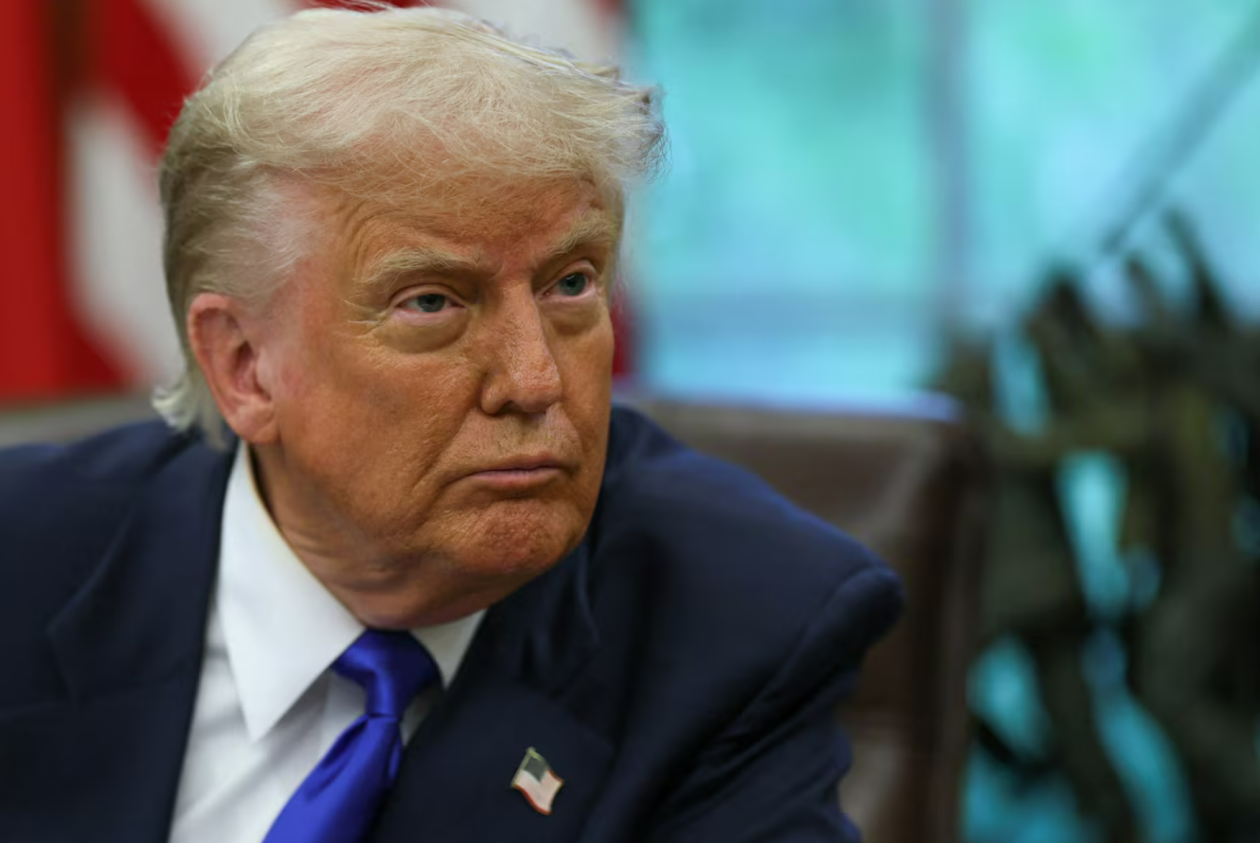
俄副外长警告:若美国恢复核武器试验,俄保留作出对等回应权利
Huan Qiu Wang· 2025-12-22 13:36
Core Viewpoint - Russia warns that it reserves the right to respond in kind if the United States resumes nuclear weapons testing [1][3] Group 1: Russia's Position on Nuclear Weapons - Russian Deputy Foreign Minister Ryabkov stated that if the U.S. resumes comprehensive explosive nuclear weapons testing, Russia will retain the right to make a reciprocal response [3] - Ryabkov emphasized that while Russia has shown significant restraint in response to provocative actions from NATO countries, it has also sent important warning signals to its "opponents" while firmly defending its security interests [3] Group 2: Strategic Arms Reduction Treaty (START) - Ryabkov mentioned that Russia is preparing for various developments in strategic security following the expiration of the New START treaty, but hopes to avoid the worst-case scenario [3] - President Putin indicated that maintaining the status established by the New START treaty after its expiration is reasonable to prevent further strategic arms races, and Russia is willing to continue adhering to the treaty's core limitations for one year after its expiration, provided the U.S. does not take actions that disrupt the existing balance [3] - The New START treaty, signed by Russia and the U.S. in 2010, aims to limit the number of deployed nuclear warheads and delivery systems, officially came into effect on February 5, 2011, and was originally set for a 10-year term, later extended to February 5, 2026 [3]
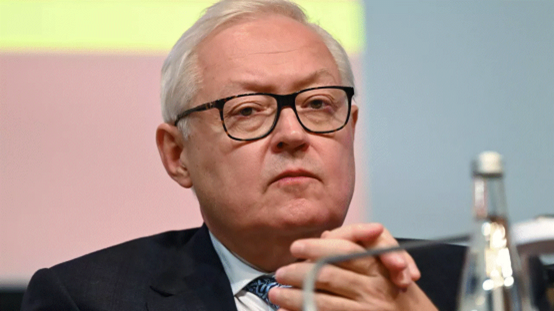
俄外长说美方尚未回应俄方的军控提议
Xin Hua She· 2025-11-11 22:35
Core Viewpoint - The Russian Foreign Minister Lavrov stated that the U.S. has not responded to Russia's proposal to continue adhering to the New START treaty for one year after its expiration [1] Group 1: U.S.-Russia Relations - Lavrov emphasized that the U.S. does not need to engage in negotiations to support Russia's proposal [1] - He called for both nations to take a year to "calm down" and analyze the situation regarding global security and the prevention of nuclear war [1] Group 2: Nuclear Testing and Treaty Compliance - Lavrov asserted that Russia has never announced plans for nuclear testing and maintains a consistent stance on this issue [1] - He indicated that if any nuclear power conducts a nuclear test, Russia would follow suit [1] - President Putin proposed that if the U.S. does not take actions that disrupt the existing balance, Russia will continue to adhere to the core limitations of the New START treaty after its expiration [1] Group 3: New START Treaty Details - The New START treaty was signed by the U.S. and Russia in 2010 to limit the number of deployed nuclear warheads and delivery systems [1] - The treaty officially came into effect on February 5, 2011, originally set for a 10-year term, which was later extended until February 5, 2026 [1]
俄外长称愿与美方会晤,但核心要求寸步不让
Jin Shi Shu Ju· 2025-11-10 05:58
Group 1 - Russian Foreign Minister Lavrov is prepared to meet with US Secretary of State Rubio, but Russia will not abandon its core conditions for ending the Ukraine conflict [1][2] - The Kremlin denied reports that Lavrov has fallen out of favor with President Putin after the cancellation of a planned summit due to Moscow's unwillingness to compromise on Ukraine [1][2] - Lavrov emphasized the importance of regular communication to discuss the Ukraine issue and advance bilateral agendas [2] Group 2 - Russia currently controls approximately 19% of Ukrainian territory, which it claims as part of Russia, despite Ukraine and Western nations' refusal to accept this [2] - Lavrov stated that the understanding reached between Putin and Trump on August 15 is based on Putin's demands regarding Ukraine's NATO membership and the withdrawal of Ukrainian forces from four provinces [2] - Ukrainian President Zelensky acknowledged that some occupied territories may be recognized as temporary occupation zones but ruled out any legal recognition or territorial concessions [3] Group 3 - Lavrov mentioned that Russia is awaiting confirmation from the US that the Anchorage agreement remains valid [4] - He asserted that there is no legal basis for seizing the €210 billion of frozen Russian sovereign assets in Europe, warning of retaliation if such actions occur [4] - The US has informed Moscow that it is considering Putin's proposal to maintain the limits set by the New START treaty after its expiration in February 2026 [4]