
《不扩散核武器条约》

Search documents
突发!伊朗科技大学遭美以空袭;特朗普称霍尔木兹为“特朗普海峡”,“布什”号航母将到中东
证券时报· 2026-03-28 03:08
Core Viewpoint - The article discusses the escalating tensions between the U.S. and Iran, highlighting military actions, diplomatic efforts, and the potential implications for regional stability and international relations [2][8][10]. Group 1: Military Actions - The U.S. aircraft carrier "George H.W. Bush" is expected to be deployed to the Central Command area, which includes the Middle East, amid ongoing conflicts with Iran [5]. - Iran has launched missile attacks on the U.S. military base in Saudi Arabia, resulting in injuries to multiple American soldiers, with at least 303 U.S. personnel reported injured in the ongoing military actions against Iran [8][9]. - Iranian officials have indicated that they are considering withdrawing from the Treaty on the Non-Proliferation of Nuclear Weapons, claiming it has not provided any substantial benefits to Iran [10]. Group 2: Diplomatic Efforts - U.S. Special Envoy Witkoff announced plans for talks with Iranian representatives, expecting a response to a proposed 15-point ceasefire plan [12][13]. - German Chancellor Merz criticized the U.S. for escalating the conflict rather than seeking peaceful resolutions, questioning the feasibility of U.S. and Israeli goals regarding regime change in Iran [14]. Group 3: Regional Implications - The ongoing military actions and diplomatic tensions pose risks not only to the directly involved parties but also to broader international security, as highlighted by Chancellor Merz's comments on the potential threats to Germany and other nations [14]. - Iran's military spokesperson emphasized the country's strong position in the conflict, suggesting that the U.S. and Israel will have to accept the realities of Iran's military capabilities [11].

中美举行军控会谈?中方回应
Huan Qiu Shi Bao· 2026-02-24 22:59
Group 1 - The Chinese Foreign Ministry spokesperson expressed the hope that the U.S. would engage in strategic stability dialogue with Russia and discuss the follow-up arrangements for the New START treaty [1] - The U.S. Assistant Secretary of State for Arms Control and Nonproliferation, Yeo, met with the Russian delegation and is scheduled to meet with China and other delegations in Geneva, indicating that these talks are more substantive following the expiration of the New START treaty [1] - The U.S. has reportedly held "preparatory" meetings with Russia and China in Washington after the New START treaty's expiration, and has communicated multiple times with the UK and France regarding nuclear weapons issues [1] Group 2 - Yeo accused China of significantly expanding its nuclear arsenal and conducting secret nuclear tests, while the Chinese disarmament ambassador refuted these claims, stating that the U.S. is fabricating excuses for its own nuclear test resumption [2] - Yeo claimed that the New START treaty has flaws due to China's "opaque nuclear weapons development," asserting that China is rapidly approaching the treaty's nuclear warhead limits and could have enough fissile material to produce over a thousand nuclear warheads by 2030 [2] - Military expert Zhang Junsha stated that the U.S. push for China to join nuclear disarmament talks is a pretext for its own nuclear arsenal expansion, highlighting that as of the end of 2024, China is estimated to have around 600 nuclear warheads, significantly fewer than the U.S. and Russia, which each have around 5,000 [2] Group 3 - Zhang Junsha argued that the U.S. aims to curb China's self-defense nuclear capabilities and use this as an excuse to withdraw from international nuclear mechanisms, noting that Russia has also questioned the sincerity of the U.S. in including the UK and France in negotiations [3] - He emphasized that China is the last of the five permanent members of the UN Security Council to develop nuclear weapons and is the only one that has committed to a no-first-use policy, maintaining a principle of minimum deterrence for self-defense [3] - The disparity in nuclear capabilities among the U.S., Russia, and China is significant, and the U.S. demand for China to join negotiations lacks both practical foundation and moral justification [3]
伊朗致信联合国
财联社· 2026-02-20 01:09
Core Viewpoint - Iran accuses the U.S. of violating the UN Charter through threats of military action and calls for the UN Security Council to take immediate action against these threats [1][2]. Group 1 - Iran's letter to the UN Security Council highlights U.S. President Trump's statement regarding potential military action against Iran if no agreement is reached, which Iran views as a public threat of force [1]. - The letter emphasizes the already tense regional situation, warning that U.S. military deployments and aggressive rhetoric increase the risk of real military conflict, potentially leading to catastrophic consequences for regional and international peace and security [1]. - Iran asserts its commitment to resolving disputes through diplomatic means and calls for the complete lifting of unilateral sanctions imposed on it [1]. Group 2 - Iran urges the Security Council to fulfill its primary responsibility of maintaining international peace and security by demanding that the U.S. cease threats of military force and adhere to its obligations under the UN Charter [2]. - The letter states that if Iran suffers a military attack, it will exercise its right to self-defense as per Article 51 of the Charter, holding the U.S. fully responsible for the consequences [2]. - Iran clarifies that it does not seek escalation or war and will not initiate conflict, but will respond if subjected to military aggression, targeting all bases, facilities, and assets of hostile forces in the region [2].
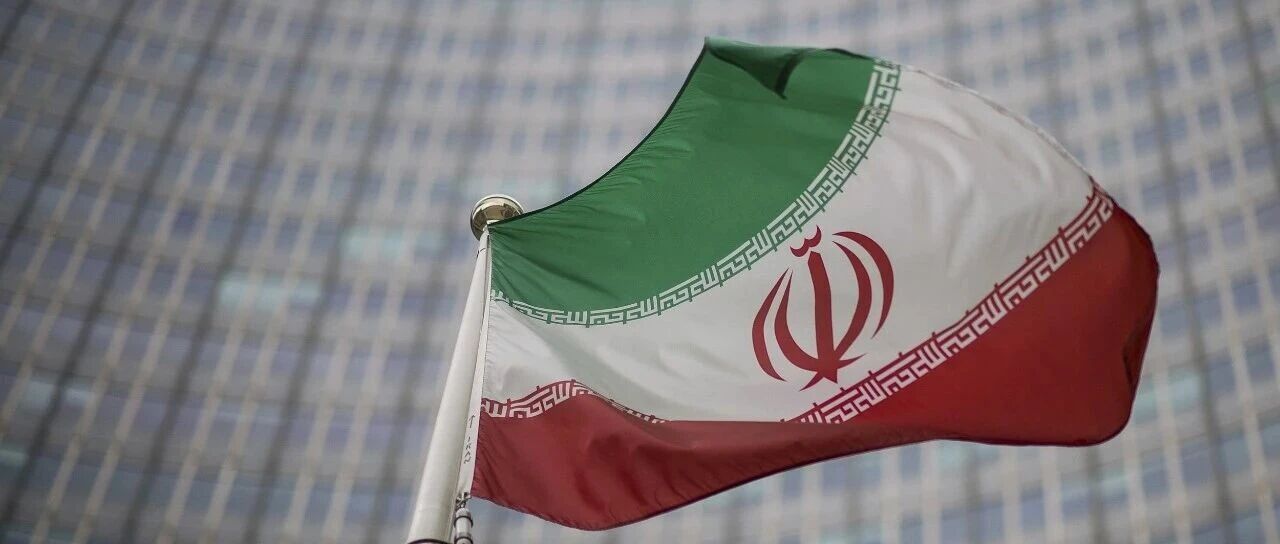
伊朗总统:伊朗人民“不接受强权语言”
Xin Lang Cai Jing· 2026-02-08 08:12
Core Viewpoint - Iran's stance on nuclear issues is based on the rights clearly defined in the Treaty on the Non-Proliferation of Nuclear Weapons, emphasizing respect in response to respect and rejecting the language of power [1] Group 1 - Iranian President Pezeshkian stated that dialogue remains the established strategy for achieving peaceful resolutions to issues [1] - The dialogue between Iran and the United States, facilitated by friendly regional countries, has made progress [1]
石破茂再批“日本拥核”言论
财联社· 2025-12-27 06:49
Core Viewpoint - The article discusses the criticism from former Japanese Prime Minister Shigeru Ishiba regarding a recent statement by a government official advocating for Japan to possess nuclear weapons, emphasizing Japan's historical stance against nuclear proliferation [1][2]. Group 1 - Ishiba argues that as the only country to have experienced atomic bombings, Japan should focus on preventing nuclear proliferation rather than endorsing contrary views [2]. - The official in question, Masayoshi Saito, is an aide responsible for nuclear disarmament and non-proliferation policies [3]. - Ishiba warns that if Japan were to acquire nuclear weapons, it would necessitate withdrawing from the Treaty on the Non-Proliferation of Nuclear Weapons and the International Atomic Energy Agency, undermining Japan's nuclear energy policy [2].
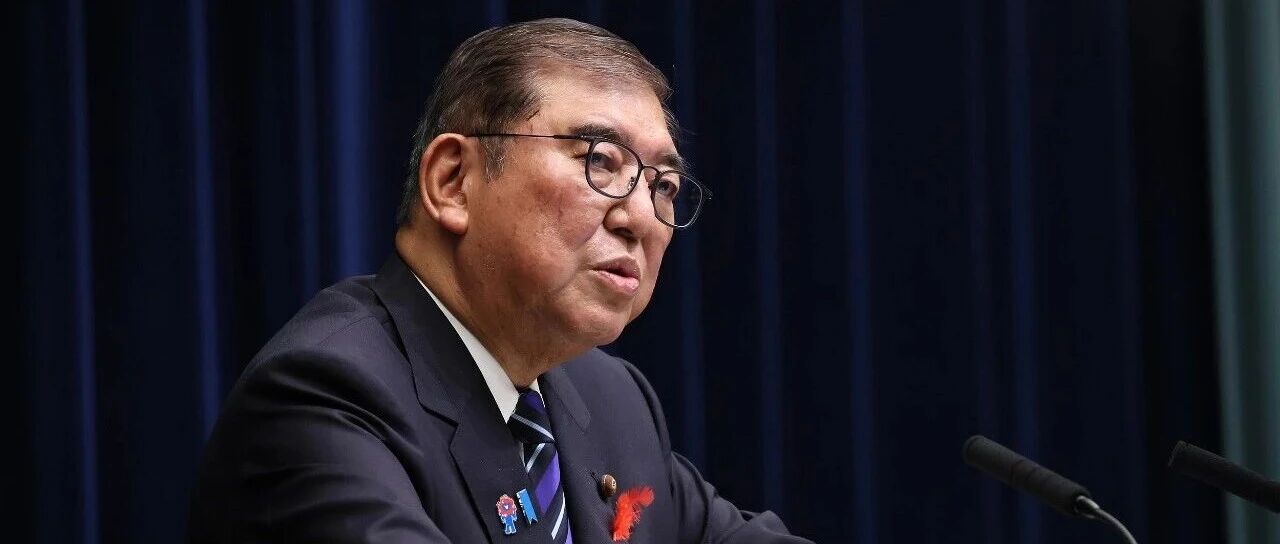
石破茂再批“日本拥核”言论
Xin Jing Bao· 2025-12-27 05:10
Core Viewpoint - The former Japanese Prime Minister Shigeru Ishiba criticized recent statements from a government official advocating for Japan to possess nuclear weapons, emphasizing Japan's historical stance against nuclear proliferation as the only nation to have experienced atomic bombings [1]. Group 1: Government Statements - A government official from the Prime Minister's office expressed the view that Japan should possess nuclear weapons, which has sparked domestic criticism [1]. - The official responsible for nuclear arms control and non-proliferation matters is Seiji Oe, a special advisor to the Prime Minister [2]. Group 2: Implications of Nuclear Armament - Ishiba warned that if Japan were to acquire nuclear weapons, it would necessitate withdrawing from the Treaty on the Non-Proliferation of Nuclear Weapons and the International Atomic Energy Agency, undermining Japan's energy policy based on nuclear power [1]. - He stated that such a move would not be beneficial for Japan, highlighting the potential negative consequences of deviating from its anti-nuclear stance [1].
日本前首相石破茂:拥有核武器“对日本来说绝不是一件有利的事情”
Xin Lang Cai Jing· 2025-12-21 07:18
Core Viewpoint - The former Japanese Prime Minister Shigeru Ishiba stated that possessing nuclear weapons would not be beneficial for Japan, emphasizing the potential negative implications of such a move [1][3]. Group 1 - Ishiba highlighted that if Japan were to acquire nuclear weapons, it would have to withdraw from the Treaty on the Non-Proliferation of Nuclear Weapons (NPT) and the International Atomic Energy Agency (IAEA) [3]. - He pointed out that this withdrawal would undermine Japan's nuclear energy policy, which is crucial for the country's energy system [3]. - The comments made by a security policy official from the Prime Minister's office advocating for Japan to possess nuclear weapons have sparked criticism within Japan [3].
伊朗外交部:伊核协议限制条款已到期终止
Xin Hua She· 2025-10-18 15:31
Core Points - The Iranian Foreign Ministry announced that the 10-year deadline for the Joint Comprehensive Plan of Action (JCPOA) and UN Security Council Resolution 2231 has expired, leading to the termination of restrictions and mechanisms related to Iran's peaceful nuclear program [1] - The resolution, passed in July 2015, aimed to ensure the peaceful nature of Iran's nuclear activities while gradually lifting sanctions as Iran complied with nuclear limitations [1] - Iran emphasized that with the expiration of the deadline, the original mechanisms should naturally cease to exist, and the nuclear issue should be removed from the Security Council's agenda [1] Summary by Sections - **JCPOA and Resolution 2231**: The Iranian Foreign Ministry stated that the JCPOA and the corresponding UN Security Council Resolution 2231's 10-year period has ended, implying that all related restrictions are now void [1] - **Background of Resolution 2231**: The resolution was established to address Iran's nuclear issue within the non-proliferation agenda, allowing for the gradual lifting of sanctions as Iran adhered to nuclear restrictions [1] - **Iran's Position**: Iran claims that the main goal of the Security Council regarding its nuclear program has been achieved, as no reports from the International Atomic Energy Agency (IAEA) have indicated violations by Iran [1] - **Future of Iran's Nuclear Program**: Iran intends for its nuclear program to be treated equally to that of other non-nuclear weapon states under the Non-Proliferation Treaty, subject only to regular IAEA oversight without additional restrictions [1] - **Diplomatic Approach**: Iran will continue to seek diplomatic solutions to disputes while asserting its sovereignty and the legitimacy of its peaceful nuclear program [1]
英法德启动“快速恢复制裁”机制,伊朗谴责
Huan Qiu Shi Bao· 2025-08-29 22:40
Group 1 - The foreign ministers of the UK, France, and Germany announced the initiation of a "snapback sanctions" mechanism regarding Iran's nuclear issue, which will take effect if the UN Security Council does not extend the sanctions waiver within 30 days [1] - Iran's Foreign Minister Zarif condemned the actions of the three European countries, stating that it complicates diplomatic efforts to resolve the nuclear issue [1][3] - The three European countries proposed three conditions to delay the reactivation of the "snapback sanctions" mechanism, including direct talks between Iran and the US, full cooperation with the International Atomic Energy Agency, and disclosure of the latest locations of enriched uranium [3] Group 2 - Iran's Foreign Ministry spokesperson criticized the actions of the three European countries as allowing the "greatest violator of rules" to dominate the situation, referencing the US's unilateral withdrawal from the nuclear agreement in 2018 [3] - Iranian parliamentary officials revealed that an emergency procedure has been initiated to draft a proposal for a complete withdrawal from the Treaty on the Non-Proliferation of Nuclear Weapons [3]
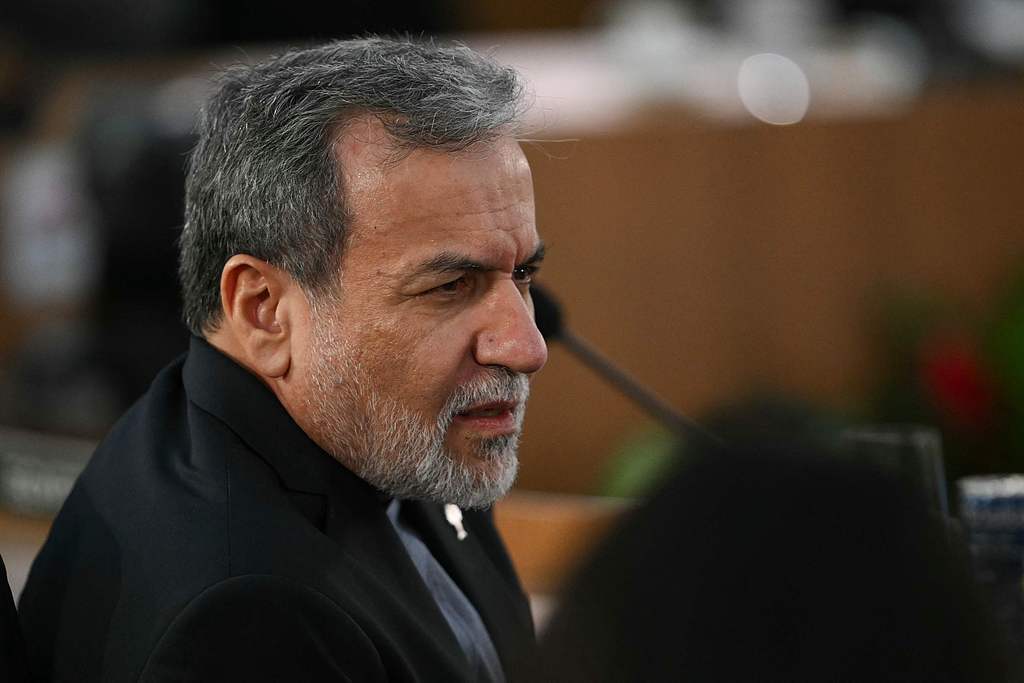
伊朗外长:伊朗将继续遵守《不扩散核武器条约》及其保障监督协议。
news flash· 2025-07-03 12:41
Core Points - Iran's Foreign Minister stated that Iran will continue to comply with the Treaty on the Non-Proliferation of Nuclear Weapons (NPT) and its safeguards agreement [1] Group 1 - Iran's commitment to the NPT indicates a focus on maintaining international agreements related to nuclear non-proliferation [1]