《1974年贸易法》第301条款

Search documents
“对等关税”被美国高院驳回,特朗普还有什么招?
Xin Lang Cai Jing· 2026-02-21 00:19
Core Viewpoint - The U.S. Supreme Court's ruling does not dismantle the tariff barriers established by former President Trump, as he may still utilize various legal tools to reinstate large-scale tariffs [1][8]. Group 1: Legal Tools for Tariffs - The 1962 Trade Expansion Act's Section 232 is the most relied upon tool for tariffs, allowing the President to impose tariffs on imports for national security reasons without limits on rates or duration [2][9]. - Section 301 of the 1974 Trade Act empowers the U.S. Trade Representative to impose tariffs on countries deemed discriminatory against U.S. businesses, with no upper limit on rates [3][10]. - Section 122 of the 1974 Trade Act permits the President to impose tariffs of up to 15% for a maximum of 150 days in response to significant international payment imbalances, without prior investigation [12][13]. Group 2: Limitations and Challenges - Section 232 requires a Department of Commerce investigation, which can take up to 270 days, limiting its immediate implementation [2][9]. - Section 301 involves a complex process of investigation and public consultation, making it cumbersome for targeting multiple smaller countries [4][11]. - Section 201 of the 1974 Trade Act allows tariffs if increased imports threaten U.S. manufacturers, but it also requires an investigation and has a maximum tariff rate of 50% [6][14]. Group 3: Controversial Options - The 1930 Smoot-Hawley Tariff Act's Section 338 allows the President to impose tariffs of up to 50% without prior investigation, but it has not been used historically due to concerns about its impact on global trade [5][15]. - There are political concerns regarding the potential use of Section 338, as evidenced by a resolution from five Democratic Congress members seeking its repeal [7][16].


美国将继续调查中国贸易协定执行情况,不受中美贸易休战影响
Sou Hu Cai Jing· 2025-11-03 00:07
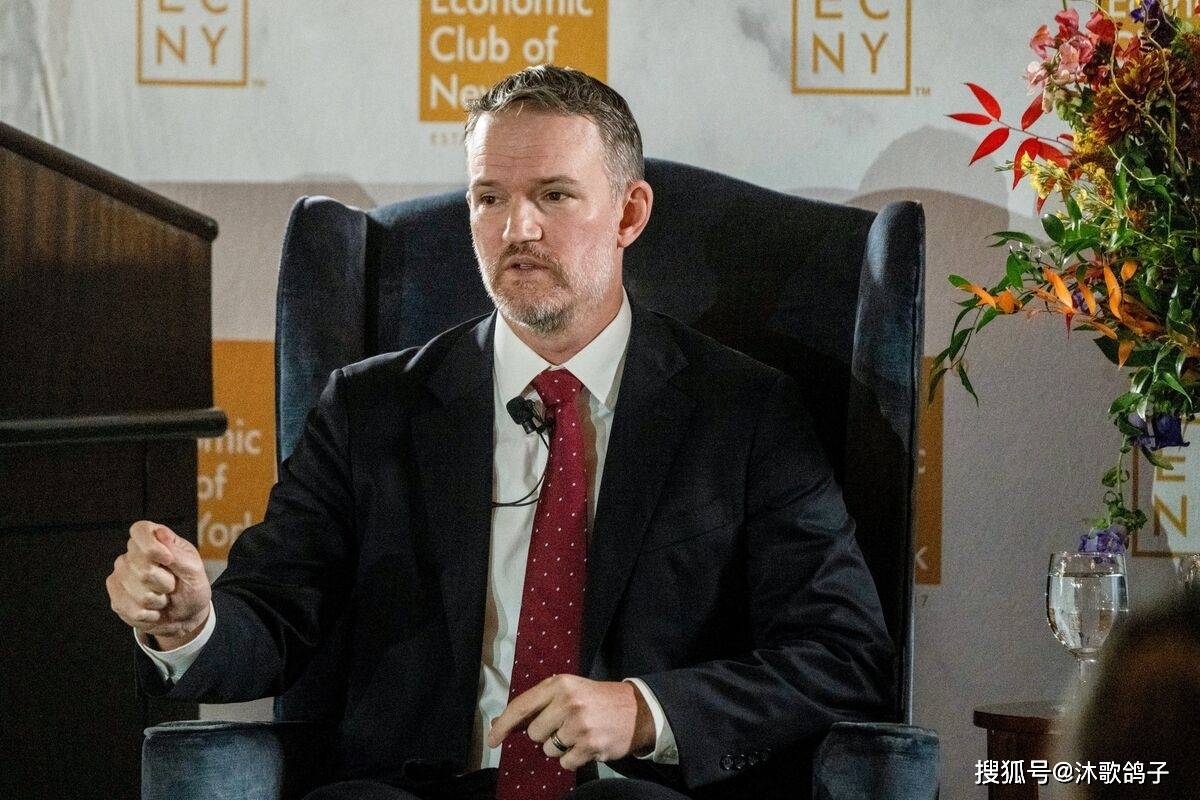
Core Viewpoint - The U.S. Trade Representative, Jamison Greer, will continue to investigate whether China is complying with trade agreements made during Trump's first term, despite a temporary trade agreement between the U.S. and China [2] Group 1: U.S. Trade Actions - The investigation is based on Section 301 of the Trade Act of 1974, which may provide legal grounds for imposing new tariffs on Chinese goods [2] Group 2: China's Response - Chinese Foreign Ministry spokesperson, Guo Jia Kun, expressed hope for both sides to implement the important consensus reached by the two countries' leaders and to promote stable development of U.S.-China relations through dialogue and consultation based on equality, respect, and mutual benefit [2]