
中美贸易关系

Search documents
豆类报告:需求显差异豆类外强内弱
Bao Cheng Qi Huo· 2026-03-03 10:51
Report Information - Report Date: March 3, 2026 [4] - Report Title: "Demand Shows Difference, Beans Strong Overseas and Weak Domestically" [5] - Author: Bi Hui, Investment Consulting Department of Baocheng Futures [6] Report Industry Investment Rating - Not provided in the report Core Viewpoint - The current beans market continues to show a pattern of strong overseas and weak domestic. The US soybean market is oscillating strongly, while the domestic beans market is sluggish in following the rise [7] Summary by Directory I. US Soybean Exports Face Structural Dilemma, Price Disadvantage Suppresses Export Prospects - The US Department of Agriculture's February report maintained the US soybean production and the estimated ending inventory of 350 million bushels, setting a tone of loose supply and demand. The record - high production forecast in South America further strengthened the global supply pressure [8] - US soybean exports face a structural dilemma. South American soybeans dominate the global soybean trade flow with cost and yield advantages, making US soybeans less competitive. Uncertainties in Sino - US trade relations and tariff policies disrupt the US soybean trade flow, causing difficulties in market access and sales pressure for US farmers [8] - The core pressure on US soybean exports comes from China's shift in procurement focus. Brazilian soybeans' record - high production makes their quotes more attractive, and Chinese oil mills' purchases for February - March shipments are mainly from South America. This price disadvantage is the root cause of the erosion of US soybean export share [8] - US domestic policies are a key variable disturbing export expectations. Concerns about global trade tensions intensify, and the market worries that it will further suppress the export prospects of US soybeans. In the short term, US soybean exports will continue to be under pressure, and their recovery depends on the return of US trade policies to stability and the substantial repair of Sino - US soybean trade relations [8] II. US Soybean Crushing is in a High - Prosperity Cycle, Biofuel Policy Provides Demand Space - US domestic crushing demand is very strong and in a high - prosperity cycle, which provides key bottom support for US soybean prices. The core driving force comes from biofuel policies. The US Environmental Protection Agency's blending volume regulations and the Treasury Department's tax credit policies bind soybean oil demand to the biofuel industry, directly driving the demand for soybean crushing [9] - The market is closely watching the new proposal that the EPA plans to finalize by the end of March 2026. The core impact lies in the policy signal affecting market expectations. Even before the final rules are issued, a clear policy - making schedule and upward adjustment expectations are enough to boost market sentiment and support soybean oil prices. The short - term market trend closely revolves around the introduction of biodiesel policy details, and the specific values will determine the increase in soybean oil demand and then affect the upper limit of US soybean crushing volume [9] - In January 2026, the soybean crushing volume of members of the US National Oilseed Processors Association reached 221.564 million bushels, a year - on - year increase of 10.6%, setting a record high for the same period. As of the week of February 20, 2026, the US soybean crushing profit was $3.06 per bushel, significantly higher than the average crushing profit of $2.46 per bushel in 2025. High profits are the direct economic motivation for crushers to maintain high operating rates [9] - The strong crushing demand, in contrast to the weak export situation, makes crushing the core channel to digest the domestic soybean supply in the US, providing bottom support for US soybean prices. The strong domestic crushing demand effectively offsets the negative impact of Brazilian soybeans' record - high production and price competitiveness, keeping US soybean prices oscillating strongly. Domestic demand becomes the stabilizer of the US soybean supply - demand balance [9] III. Domestic Beans Have Prominent Structural Contradictions, High Inventory Pressure Continues - The domestic beans market shows a pattern of strong overseas and weak domestic, with prominent structural contradictions. The market supply is abundant, and the arrival volume of imported soybeans remains high, resulting in port and oil mill inventories remaining at historical highs [10] - The transmission of import costs to domestic prices is not smooth. The core contradiction is that the high raw material costs are seriously inverted with the weak downstream product prices, squeezing the oil mill crushing profit and causing the industry to generally fall into losses [10] - Driven by rigid factors such as the continuous arrival of previously purchased soybeans and the pressure to digest inventory, the operating rate of oil mills is still higher than the historical average, which further exacerbates the oversupply of products such as soybean meal, suppressing spot prices and basis [10] - Overall, domestic beans prices are in an oscillating range with industrial hedging and high inventory suppression on the upper side and import cost support on the lower side. The short - term weak pattern is difficult to fundamentally reverse [11]
默茨访华首日,120架飞机订单到手?美国急忙变调:不对华加关税
Sou Hu Cai Jing· 2026-02-27 10:44
Group 1 - German Chancellor Merz announced a significant order of 120 Airbus aircraft from China during his visit, highlighting the deepening cooperation between Germany and China in the aviation sector [1][3] - The order is seen as a major win for Airbus, especially given the challenges the company has faced due to U.S. tariffs and pressure to purchase Boeing aircraft [3][5] - The deal reflects China's support for Airbus, with the company having established assembly lines in Tianjin, specifically for the A320 series, which caters primarily to the Chinese market [5] Group 2 - The announcement of the Airbus order has raised concerns in the U.S., particularly as it comes just weeks before Trump's planned visit to China, where he aimed to secure favorable agreements for American companies [5][7] - U.S. Trade Representative Lighthizer's sudden decision to exclude China from a new round of tariffs indicates a strategic shift to avoid escalating tensions before Trump's visit [9] - The contrasting statements from U.S. officials reveal internal divisions regarding trade policy with China, highlighting the complexities of U.S.-China relations as both sides navigate their economic interdependence [11]


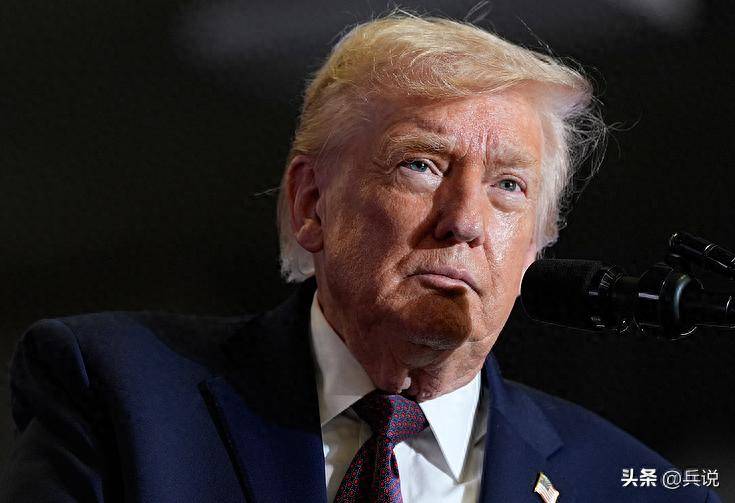
对华政策出现明显矛盾摇摆,美贸易代表对华关税表态前后不一
Bei Jing Ri Bao Ke Hu Duan· 2026-02-27 02:14
Group 1 - The core viewpoint is that the U.S. Trade Representative, Tai, stated that the U.S. will seek to maintain the current tariff rates on Chinese goods, which are at 10%, with some countries potentially increasing to 15% [1][3] - Tai emphasized that there is no intention to raise tariffs above the current levels and that the U.S. plans to adhere to the agreements made with China [1][3] - The U.S. Trade Representative's office plans to accelerate investigations under Section 301, covering major trade partners and areas such as drug pricing, indicating that tariffs could be used if unfair trade practices are found [1][3] Group 2 - The Chinese Ministry of Commerce responded by stating that China has fulfilled its obligations under the Phase One trade agreement, despite challenges from the pandemic and global economic downturn [2][4] - The spokesperson highlighted that if the U.S. insists on pursuing investigations or imposing tariffs, China will take necessary measures to protect its legitimate rights [2][4] - An expert noted that the conflicting statements from the U.S. reflect a deep-rooted hegemonic mindset and a strategic contradiction between containment and reliance on China for cooperation on various economic issues [2][4]
建信期货豆粕日报-20260227
Jian Xin Qi Huo· 2026-02-27 01:35
1. Report Information - Reported Industry: Soybean Meal [1] - Report Date: February 27, 2026 [2] - Research Team: Agricultural Products Research Team, including Yu Lanlan, Lin Zhenlei, Wang Haifeng, Hong Chenliang, and Liu Youran [4] 2. Market Review 2.1 Futures Contract Quotes - For the Soybean Meal 2603 contract, the previous settlement price was 3064, the opening price was 3038, the highest price was 3050, the lowest price was 3021, the closing price was 3025, with a drop of 39 and a decline rate of -1.27%. The trading volume was 56,730, the open interest was 20,508, and the change in open interest was -45,241 [6]. - For the Soybean Meal 2605 contract, the previous settlement price was 2824, the opening price was 2825, the highest price was 2847, the lowest price was 2818, the closing price was 2834, with an increase of 10 and a growth rate of 0.35%. The trading volume was 828,719, the open interest was 2,021,035, and the change in open interest was 6,435 [6]. - For the Soybean Meal 2607 contract, the previous settlement price was 2776, the opening price was 2786, the highest price was 2800, the lowest price was 2776, the closing price was 2795, with an increase of 19 and a growth rate of 0.68%. The trading volume was 43,095, the open interest was 498,828, and the change in open interest was 880 [6]. 2.2 External Market Conditions - During the holiday, the US soybean futures contracts on the external market were strong first and then weak, with a relatively small overall fluctuation range. The main contract was close to 1150 cents. The US Supreme Court ruled that the tariffs imposed by Trump under the IEEPA were illegal. Currently, the IEEPA involves a total of 20% tariffs on China related to fentanyl and reciprocal tariffs, but Trump subsequently invoked Article 122 of the 1974 Trade Act to announce a 15% tariff instead. The holiday fluctuations in US soybeans were mainly due to the game of future export demand expectations caused by tariff changes. Trump once said that China would purchase an additional 8 million tons of US soybeans, and there was an expectation that the US President would visit China at the end of March or early April, and the bilateral economic and trade relations were expected to be repaired, making the market optimistic about export demand and having an expectation of a downward adjustment of US soybean ending stocks [6]. 2.3 Weather Conditions - During the holiday, the situation in South America was good. The main soybean - producing areas in Argentina received relatively considerable rainfall. Although the temperature was still slightly higher than the same period of previous years, it alleviated some of the growth pressure on crops in the early stage. In the next two weeks, rainfall would be mainly concentrated in early March, with rainfall close to the same period of previous years and normal temperature forecasts. It was expected that the soybean yield prospects in Argentina would be stable, and there was no bullish boost [6]. 2.4 Domestic Market Conditions - After the holiday, the domestic market fluctuated and then rose, also factoring in the expectation of Sino - US trade easing. In addition, the near - end spot was in a seasonal de - stocking cycle. The current harvesting progress in Brazil was relatively slow, and there were transportation problems at some docks. Coupled with the long - awaited release of information on imported soybean auctions, there was a possibility of partial shortages at the end of the first quarter or the beginning of the second quarter. In the longer term, the bumper harvest of Brazilian soybeans would always have a certain suppressing effect on the market. The near - end contracts might have a small rebound, but the subsequent room for growth was limited [6]. 3. Industry News - According to the USDA Annual Outlook Forum, the US soybean planting area in 2026 is expected to increase by 3.8 million acres to 85 million acres, which is in line with analysts' expectations. Based on a trend yield of 53 bushels per acre, the US soybean production in the next season will reach 4.45 billion bushels, a year - on - year increase of 4.4%. Total demand is expected to increase by 207 million bushels to 4.464 billion bushels, of which exports will increase by 125 million bushels to 1.7 billion bushels, and crushing will increase by 85 million bushels to 2.655 billion bushels. The ending stocks will be basically flat at 355 million bushels. The Chief Economist of the US Department of Agriculture warned that the production cost is expected to remain high, which will continue to squeeze the planting profit margin [7]. - US President Trump will visit China from March 31 to April 2, holding a highly anticipated meeting with China's top leaders. This visit will be the first face - to - face meeting between the two leaders since their meeting in South Korea last October, when they reached a trade truce agreement [15]. - According to BAGE, as of the week of February 18, rainfall occurred in the central and northern agricultural areas of Argentina. Although the distribution was uneven and the intensity varied, it significantly improved the moisture conditions of soybean crops. Currently, 75% of soybean crops are rated normal to good, higher than 68% a week ago and 68% in the same period last year; 66% of the planting areas have suitable to optimal moisture conditions, higher than 56% a week ago and 70% in the same period last year. The proportion of poorly rated soybeans is 25%, down from 32% a week ago and 32% in the same period last year [15]. 4. Data Overview - The data in the report is sourced from Wind and the Research and Development Department of CCB Futures [11][12][13] - The report includes charts such as the ex - factory price of soybean meal, the basis of the Soybean Meal 05 contract, the 1 - 5 spread of soybean meal, the 5 - 9 spread of soybean meal, the US dollar - RMB central parity rate, and the US dollar - Brazilian real exchange rate [13][14][17]
特朗普撒下弥天大谎!连续3次喊话中国后,把3亿多美国人当猴耍了
Sou Hu Cai Jing· 2026-02-26 12:53
Group 1 - The U.S. Supreme Court's ruling against "tariff equivalence" has weakened the White House's leverage on tariffs, indicating internal divisions within the U.S. government [1][3] - Following the ruling, U.S. officials have made multiple statements urging China to maintain existing trade arrangements, reflecting a desire to stabilize the situation [3][5] - The pressure from allies such as the EU, Brazil, and Japan for tariff reductions complicates the U.S. administration's ability to manage both domestic and international expectations [5][21] Group 2 - Trump's lengthy State of the Union address aimed to project a narrative of American prosperity, despite conflicting economic data showing lackluster growth and persistent inflation [7][9] - The administration's messaging has been characterized by exaggeration, with discrepancies between claimed investment figures and official data, suggesting a strategy to distract from economic realities [9][19] - The avoidance of direct references to China during the address indicates a strategic decision to mitigate risks associated with the recent court ruling and to preserve diplomatic avenues ahead of upcoming negotiations [13][15] Group 3 - The U.S. has specific needs from China, including stable rare earth supplies, management of U.S. debt, and increased purchases of American agricultural and energy products, which are crucial for domestic political narratives [15][17] - The administration's reliance on storytelling to manage both internal and external pressures has become more pronounced following the court ruling, with a focus on maintaining a stable narrative rather than addressing complex details [21][23] - China's approach of maintaining a low profile while observing the U.S. situation allows it to retain strategic advantages, as the U.S. struggles to balance its internal and external pressures [19][24]
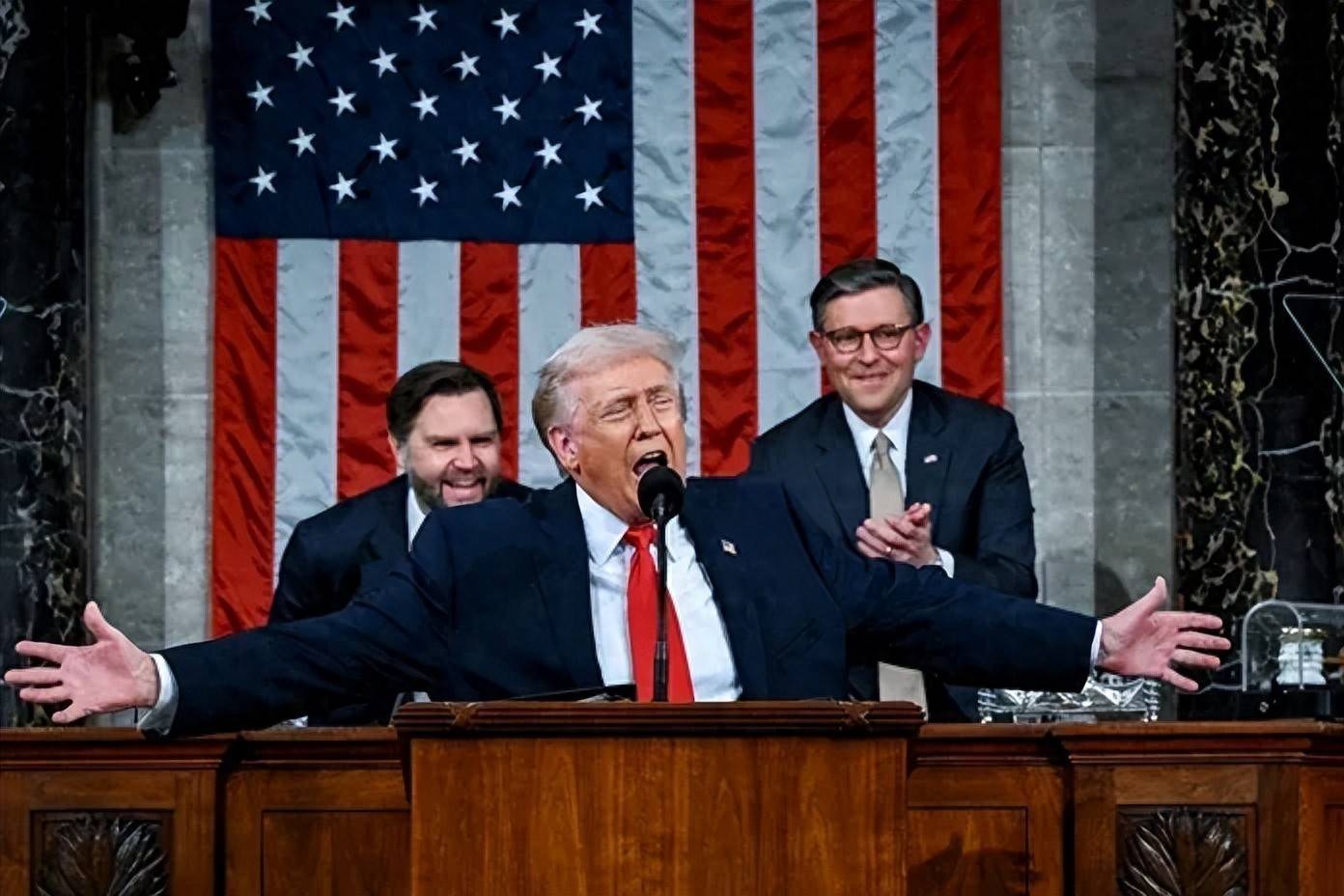
特朗普春节深夜掀桌!全球10%关税突袭,这次连自己人都怕了
Sou Hu Cai Jing· 2026-02-23 05:10
Group 1 - The core point of the article is the unexpected announcement by the U.S. government to impose a 10% tariff on all countries starting February 24, which has taken the global market by surprise [1][5] - The new tariff policy is seen as a defensive maneuver by the Trump administration after a Supreme Court ruling deemed previous tax imposition methods illegal, leading to the use of the Trade Act of 1974 as a workaround [3][5] - The tariff has a 150-day expiration period, which aligns with the upcoming U.S. midterm elections, indicating that it may be used as a political tool rather than just a trade measure [5][6] Group 2 - The scope of exemptions for this tariff is broader than previous measures, indicating increased internal pressure on the Trump administration, with key sectors like minerals, energy, and certain agricultural products being exempted [9][11] - The article suggests that the U.S. government's internal contradictions are becoming more apparent, and the global response to the tariffs is more muted compared to previous years, as the 150-day timeframe is perceived as manageable [11][12] - The long-term implications of the tariffs may lead to structural inefficiencies in global supply chains, as companies may prioritize safety over efficiency, resulting in wasted resources and a potential decline in innovation [12][13] Group 3 - The article highlights a significant decrease in China's trade dependency on the U.S., with trade volume dropping to 4.01 trillion yuan, accounting for only 8.8% of China's total foreign trade, down from 13.7% in 2018 [12][13] - In contrast, trade with Belt and Road countries has increased by 6.3%, now representing 51.9% of China's trade, while trade with the EU has also grown by 6% [13] - The article emphasizes the need for China to reduce reliance on U.S. trade and to embrace a more diversified global trade landscape, which could ultimately lead to a stronger economic position [13]
美国专家:美国人不关心谁造的车,只关心性价比,他们天天买中国货
Guan Cha Zhe Wang· 2026-02-16 04:06
Core Viewpoint - Chinese automotive manufacturers are poised to enter the U.S. market within the next 5 to 10 years, despite existing high tariffs and political resistance, which could benefit American consumers through increased competition and lower prices [1][4]. Group 1: Market Entry and Competition - Experts suggest that the entry of Chinese automakers into the U.S. market is a positive development for American consumers, as they prioritize vehicle quality and cost-effectiveness [1][7]. - The U.S. automotive market is seen as a critical arena for global manufacturers, with American consumers favoring larger, more expensive vehicles, which translates to higher profit margins [4][6]. - Chinese automakers produced one-third of the world's vehicles last year, with over 8 million exported, marking a 30% increase from 2024, and have become the largest automotive exporter globally [4][6]. Group 2: Political and Economic Context - U.S. officials, including President Trump, have shown a willingness to welcome Chinese automotive brands if they establish manufacturing plants in the U.S. and hire American workers [2][4]. - Discussions have taken place regarding potential joint ventures that would allow Chinese manufacturers to produce vehicles in the U.S. while providing protections for domestic companies [2]. Group 3: Industry Dynamics - BYD has surpassed Tesla to become the largest electric vehicle manufacturer globally, indicating China's competitive edge in the electric vehicle sector [4][6]. - The average price of cars exported from China was approximately $19,000, compared to the average new car price in the U.S. of around $50,000, highlighting the potential for competitive pricing [4][6]. - Chinese brands have previously gained significant market share in Europe by offering better quality vehicles at affordable prices, suggesting a similar trend could occur in the U.S. market [6].


拜登态度变了?ITC调查中企1年后,宣布美企指控无效:已予以驳回
Sou Hu Cai Jing· 2026-02-13 07:03
Core Viewpoint - The case involving Luxshare Precision and Amphenol highlights the complexities of U.S.-China relations, particularly in the context of trade and competition, revealing a potential shift in the Biden administration's approach towards China [3][5]. Group 1: ITC Investigation and Outcome - The U.S. International Trade Commission (ITC) initiated a 337 investigation against Luxshare Precision based on Amphenol's claims of patent infringement [1]. - After over a year of investigation, the ITC ruled in favor of Luxshare, dismissing Amphenol's allegations entirely [3]. Group 2: Competitive Landscape - Luxshare's core competitiveness is rooted in China's manufacturing advantages rather than cutting-edge technology, making it less vulnerable to U.S. sanctions compared to companies like Huawei and SMIC [4]. - Despite its close ties with U.S. companies, particularly Apple, Luxshare's operations are primarily based in China, limiting the impact of potential U.S. sanctions [4]. Group 3: U.S.-China Relations - The incident reflects broader trends in U.S.-China relations, indicating that the Biden administration's policies may be reverting to a more confrontational stance similar to that of the Trump administration [5][7]. - Following Nancy Pelosi's visit to Taiwan, China suspended cooperation with the U.S. in various areas, exacerbating tensions between the two nations [7]. Group 4: Economic Cooperation Potential - The Luxshare case suggests that there remains potential for economic cooperation between the U.S. and China, as both sides can benefit from collaboration in certain sectors [7]. - The necessity for mutual respect and equal partnership is emphasized, indicating that cooperation must be based on mutual benefits rather than one-sided concessions [7].


豆粕:规避春节长假风险,豆一:规避春节长假风险
Guo Tai Jun An Qi Huo· 2026-02-13 02:42
1. Report Industry Investment Rating - No information about the industry investment rating is provided in the report. 2. Core Viewpoints - The report advises to avoid risks during the Spring Festival holiday for both soybean meal and soybean futures [1]. - The market is optimistic about China's demand for US soybeans, and positive news such as potential trade truce extension and increased purchase targets has boosted soybean futures prices, offsetting the pressure from the upward - adjusted soybean production estimates in Brazil and Argentina [3]. 3. Summary by Relevant Catalogs 3.1 Fundamentals Tracking 3.1.1 Futures - DCE soybean 2605 closed at 4613 yuan/ton during the day session, up 112 yuan (+2.49%), and 4693 yuan/ton at night, up 117 yuan (+2.56%) [1]. - DCE soybean meal 2605 closed at 2790 yuan/ton during the day session, up 32 yuan (+1.16%), and 2807 yuan/ton at night, up 25 yuan (+0.90%) [1]. - CBOT soybean 03 closed at 1136.5 cents/bushel, up 13.0 cents (+1.16%) [1]. - CBOT soybean meal 03 closed at 307.7 dollars/short - ton, up 5.0 dollars (+1.65%) [1]. 3.1.2 Spot - In Shandong, the price of soybean meal (43%) is 3100 - 3140 yuan/ton. Rizhao Bangji's price increased by 20 - 30 yuan compared to the previous day. The price for post - festival to the end of March delivery is M2605 + 310, unchanged [1]. - In East China, Zhangjiagang Dafu's price is unchanged. The price for March is M2605 + 300, for April 16 - 30 delivery is M2605 + 200 (up 40 yuan compared to the previous day), for April is M2605 + 250 (up 50 yuan compared to the previous day) [1]. - In South China, Fangchenggang Dahai's spot price of soybean meal is 3120 yuan/ton, and the oil mill has no basis quote [1]. 3.1.3 Main Industry Data - The trading volume of soybean meal is 1.55 million tons per day, and the inventory is 88.16 million tons per week [1]. 3.2 Macro and Industry News - On February 12, CBOT soybean futures closed higher due to the optimistic outlook of China's demand. The market expects the Sino - US trade relationship to ease, which may stimulate a new round of purchases of US soybeans [3]. - The US President Trump said that China will increase the purchase target of US soybeans according to the trade truce agreement reached at the end of October. Media reports also suggest that the trade truce may be extended for up to one year in the meeting between Trump and Chinese leaders in early April [3]. - The US Department of Agriculture reported that private exporters sold 108,000 tons of soybeans to Egypt for delivery in the 2025/26 fiscal year [3]. - Brazil's National Commodity Supply Company (Conab) raised the country's soybean production forecast from 176.12 million tons in January to a record 177.98 million tons, and the US Department of Agriculture also raised the forecast to 180 million tons [3]. 3.3 Trend Intensity - The trend intensity of soybean meal and soybean is 0, indicating a neutral trend for the day - session main - contract futures prices on the reporting day [3].
豆粕、豆油期货品种周报-20260209
Chang Cheng Qi Huo· 2026-02-09 03:00
Group 1: Report Overview - Report Name: "Bean Meal and Soybean Oil Futures Weekly Report" [2] - Report Period: February 9 - 13, 2026 [1] Group 2: Bean Meal Futures Mid - term Market Analysis - Mid - term Trend: The main bean meal contract is in a range - bound stage [6] - Trend Logic: According to Mysteel data, in the 5th week, the actual soybean crushing volume of oil mills was 2.2961 million tons, the operating rate was 63.16%, and the bean meal inventory was 930,400 tons. Global soybean harvest prospects are clear, domestic oil mills maintain a high operating rate, and bean meal supply is abundant. Downstream Spring Festival stocking is nearing the end, and aquaculture profits are generally in the red, with weak overall consumption. However, the possible boost from the easing of Sino - US trade relations, the uncertainty of weather risks in the Argentine production area, and the cost side support the price. It is expected that the bean meal futures will maintain a range - bound pattern [6] - Mid - term Strategy Suggestion: Pay attention to South American weather changes, the arrival rhythm of new Brazilian crops, and domestic aquaculture demand [6] Variety Trading Strategy - Last Week's Strategy Review: The overall trend of bean meal futures prices was in a sideways stage, and the funds were strongly bearish. The M2605 is expected to be in a weak shock pattern in the short term, with an expected operating range of 2700 - 2800 [9] - This Week's Strategy Suggestion: As the Spring Festival holiday approaches, to avoid volatility risks during the long holiday, it is recommended to wait and see before the festival [10] Relevant Data - Data includes bean meal weekly output, weekly inventory, apparent consumption, weekly inventory days, bean meal basis, and oil - meal ratio. Data sources are Wind, Mysteel, and the Great Wall Futures Trading Consultation Department [18][21][24] Group 3: Soybean Oil Futures Mid - term Market Analysis - Mid - term Trend: The main soybean oil contract is in a wide - range shock stage [29] - Trend Logic: According to Mysteel data, in the 5th week, the actual output of soybean oil from 125 oil mills was 436,300 tons, and the commercial inventory of soybean oil in key national regions was 946,800 tons. Currently, the supply side is relatively abundant due to the high operating rate of oil mills, while the demand has significantly weakened after the Spring Festival stocking, and the spot market trading is light. However, the favorable US biofuel policy and the optimistic Sino - US trade expectations support the soybean oil price. It is expected that the soybean oil futures price will mainly be in a wide - range shock [29] - Mid - term Strategy Suggestion: Pay attention to the US biodiesel policy, crude oil trends, and domestic demand [29] Variety Trading Strategy - Last Week's Strategy Review: The overall trend of soybean oil futures prices was in an upward stage, and the funds were slightly bullish. In the short term, the Y2605 may be in a high - level shock stage [32] - This Week's Strategy Suggestion: As the Spring Festival holiday approaches, to avoid volatility risks during the long holiday, it is recommended to wait and see before the festival [33] Relevant Data - Data includes soybean oil weekly output, weekly inventory, soybean oil basis, soybean oil trading volume, soybean weekly arrival volume, soybean weekly inventory, soybean weekly crushing volume, soybean weekly operating rate, weekly port inventory, and Brazilian premium. Data sources are Wind, Mysteel, and the Great Wall Futures Trading Consultation Department [43][47][50]