一氧化碳中毒预防

Search documents
中疾控发布2026年2月春节假期期间健康防护提示
Zhong Guo Xin Wen Wang· 2026-02-09 07:07
Core Viewpoint - The Chinese Center for Disease Control and Prevention (CDC) has issued health protection tips for the upcoming Spring Festival in February 2026, highlighting the increased risk of various infectious diseases due to heightened travel and gatherings during the holiday period [1]. Group 1: Respiratory Infectious Diseases - The winter-spring season is a peak period for acute respiratory infectious diseases in China, with increased transmission risk during the Spring Festival due to crowd gatherings [2]. - Current monitoring indicates a decline in respiratory infectious diseases overall, but they remain prevalent during the flu season [2]. Group 2: Recommendations for Respiratory Health - Maintain good hygiene practices, such as covering the mouth and nose when coughing or sneezing, frequent handwashing, and avoiding close contact with symptomatic individuals [3]. - Individuals with respiratory symptoms should avoid crowded places and wear masks during travel [3]. - Vaccination is the most effective means of preventing influenza, especially for vulnerable groups such as pregnant women, young children, the elderly, and those with chronic conditions [3]. Group 3: Avian Influenza - Human infection with avian influenza is caused by the accidental transmission of the virus from infected birds, with symptoms including fever, cough, and muscle pain, potentially leading to severe respiratory distress [4][5]. Group 4: Recommendations for Avian Influenza - Avoid direct contact with birds and ensure proper hygiene when handling poultry [6]. - Follow safe food handling practices, such as cooking poultry thoroughly and avoiding cross-contamination [6]. Group 5: Norovirus Gastroenteritis - Norovirus gastroenteritis is highly contagious and can spread through contaminated food, water, or surfaces, with symptoms including nausea, vomiting, and diarrhea [7]. - The risk of norovirus infection increases during the Spring Festival due to frequent family gatherings and shared meals [7]. Group 6: Recommendations for Norovirus Prevention - Emphasize hand hygiene, especially before meals and after using the restroom [8]. - Ensure food safety by washing fruits and vegetables thoroughly and cooking seafood properly [8]. - Report any clusters of cases in communal settings to local health authorities [8]. Group 7: Foodborne Illnesses - The risk of foodborne illnesses rises during the Spring Festival due to increased food preparation and consumption [9]. Group 8: Recommendations for Food Safety - Maintain hand hygiene and choose fresh, safe food ingredients while avoiding cross-contamination [10][11]. - Be cautious when dining out, ensuring the establishment meets hygiene standards [12]. Group 9: Carbon Monoxide Poisoning - The period from November to March sees a rise in carbon monoxide poisoning incidents, particularly during family gatherings where heating methods may pose risks [13]. Group 10: Recommendations for Carbon Monoxide Safety - Prefer centralized heating systems and ensure proper ventilation when using coal or gas heaters [14]. - Regularly check and maintain gas appliances to prevent leaks [15]. Group 11: Vector-Borne Diseases - Travelers to tropical and subtropical regions during the Spring Festival should be aware of vector-borne diseases such as dengue fever and Zika virus [16]. Group 12: Recommendations for Vector-Borne Disease Prevention - Use mosquito repellents and wear protective clothing in areas with mosquito activity [17]. Group 13: Nipah Virus Disease - Nipah virus disease is a zoonotic infection primarily transmitted through contact with infected animals or contaminated food [18]. Group 14: Recommendations for Nipah Virus Prevention - Avoid contact with bats and potentially contaminated food during travel, and seek medical attention if symptoms arise post-travel [19].
可能藏在车里、浴室里、厨房里的“隐形杀手”,一定要当心!丨科普时间
Xin Lang Cai Jing· 2026-02-07 12:34
Core Viewpoint - The article highlights the dangers of carbon monoxide (CO) poisoning, particularly during the winter months when heating devices are in use, and emphasizes the importance of awareness and preventive measures against CO exposure. Group 1: Sources of Carbon Monoxide - Carbon monoxide is a colorless, odorless gas primarily produced from the incomplete combustion of fossil fuels [2] - Common sources of CO in daily life include gas water heaters, gas stoves, coal stoves, and car exhaust, especially in poorly ventilated areas [2] Group 2: Symptoms of Carbon Monoxide Poisoning - Mild poisoning symptoms include headache, dizziness, tinnitus, palpitations, nausea, vomiting, and weakness [4] - Moderate poisoning can lead to more severe symptoms such as flushed skin, sweating, unsteady walking, confusion, and fatigue [5] - Severe poisoning may result in coma, dilated pupils, incontinence, and serious complications like brain edema and arrhythmias, posing a life-threatening risk [5][6] Group 3: Prevention Measures - Key preventive strategies include ensuring proper ventilation and conducting safety checks on gas appliances [7] - Recommendations for safe use of gas appliances include avoiding the use of direct vent gas water heaters, ensuring proper installation and maintenance of gas stoves, and conducting regular safety inspections of gas pipelines [8][9] - For coal and charcoal use, it is advised not to use these in enclosed spaces and to ensure proper ventilation [10][11] - Safety measures for vehicle use include avoiding sleeping in running vehicles and minimizing time spent in poorly ventilated parking areas [12][13] Group 4: Emergency Response - Immediate actions in case of suspected CO poisoning include ventilating the area, relocating the patient to fresh air, and ensuring their airway is clear [14][15] - It is crucial to call emergency services and provide clear information about the situation, even if the patient appears stable [15] - Avoid using open flames or administering any substances to the patient without professional guidance [16]
五类风险需重点防范
Xin Lang Cai Jing· 2026-02-01 17:16
Core Viewpoint - The article emphasizes the increased health risks associated with the upcoming Spring Festival in Chongqing, highlighting the need for public awareness and preventive measures against various infectious diseases and health hazards [1]. Group 1: Respiratory and Gastrointestinal Infections - The peak season for respiratory infections, particularly influenza, is during the winter and spring, with the dominant strain being the H3N2 virus. Symptoms include fever, headache, and muscle aches [2]. - The respiratory syncytial virus (RSV) is also a concern, especially for infants, with a high detection rate reported in recent monitoring [2]. - Norovirus infections are prevalent from October to March, with symptoms including vomiting and diarrhea. The risk of foodborne illnesses increases during family gatherings and dining out [3]. Group 2: Malaria and Food Safety - Malaria, transmitted by mosquito bites, poses a risk for individuals returning from endemic regions. Symptoms include fever and chills, and prompt medical attention is advised for returning travelers showing symptoms [4]. - Food safety is critical during the festive season, with recommendations to separate raw and cooked foods to prevent cross-contamination. Proper cooking and storage of leftovers are essential [5]. Group 3: Carbon Monoxide Poisoning - The use of charcoal and coal for heating during the festival increases the risk of non-occupational carbon monoxide poisoning. Symptoms include headache and dizziness, and ensuring proper ventilation is crucial [7].
做好六点安全防范
Xin Lang Cai Jing· 2026-01-19 18:12
Core Viewpoint - The Hefei Security Office and Hefei Emergency Management Bureau issued safety tips in response to expected severe weather conditions, including snow and low temperatures, emphasizing the importance of safety measures for the public and businesses [1][2] Group 1: Weather Forecast and Safety Measures - The meteorological department forecasts moderate to heavy snow with some areas experiencing blizzards, expecting precipitation of 5 to 13 millimeters [1] - The temperature is predicted to drop to between -8°C and -6°C from January 20 to 23, with average wind speeds of 4 to 5 levels and gusts reaching 7 to 8 levels [1] Group 2: Specific Safety Recommendations - Recommendations include reinforcing outdoor structures and activities, monitoring weather changes, and potentially suspending activities to prevent accidents from high winds and falling objects [1] - Emphasis on travel safety advises against riding electric bikes or bicycles in snowy conditions and suggests wearing non-slip shoes while walking [1] - Fire hazard prevention measures include checking high-power electrical appliances to avoid overloads and ensuring heating devices are away from flammable materials [1] - To prevent carbon monoxide poisoning, regular checks of ventilation and gas systems are advised, especially in enclosed spaces [1] - Recommendations for cold weather include adjusting clothing according to temperature changes and advising vulnerable populations to limit outdoor activities during low-temperature periods [2] - Supply assurance measures are highlighted for water, electricity, gas, and heating services to ensure normal user demand [2]
围炉煮茶竟成“隐形杀手”?
Xin Lang Cai Jing· 2026-01-12 23:09
Core Viewpoint - The article highlights a recent emergency rescue operation in Jiaxing County, where a child was saved from suspected carbon monoxide poisoning due to a popular winter activity, "cooking tea around a stove" [1][2][3]. Group 1: Emergency Response - The Jiaxing County Public Security Bureau activated an emergency mechanism immediately upon receiving the distress call, coordinating police forces and utilizing video systems to track the vehicle in real-time [2]. - Police officers were positioned at the hospital to prepare for the child's arrival, ensuring a smooth transition to emergency care [2]. - The timely medical intervention resulted in the child's successful recovery, with no life-threatening conditions reported [2]. Group 2: Carbon Monoxide Poisoning Risks - The incident was caused by carbon monoxide accumulation in a closed environment during the "cooking tea around a stove" activity, which is becoming increasingly popular in winter [3]. - Carbon monoxide is a colorless, odorless gas that can lead to severe health risks, including suffocation due to its ability to bind with hemoglobin [3]. - Common scenarios leading to carbon monoxide poisoning include using charcoal in enclosed spaces, improper gas appliance installation, and inadequate ventilation while using heating devices [3]. Group 3: Symptoms and Prevention - Symptoms of carbon monoxide poisoning vary by severity, with mild cases presenting headaches and dizziness, while severe cases can lead to coma and respiratory failure [3]. - Immediate actions to take in case of suspected poisoning include ventilating the area, ensuring the patient's airway is clear, and calling emergency services [3]. - Preventive measures include ensuring proper ventilation when using gas appliances, regular safety checks on gas equipment, and installing carbon monoxide detectors [4].


家里用燃气壁挂炉的注意了!这份安全使用指南请收好
Yang Shi Xin Wen· 2025-11-14 04:17
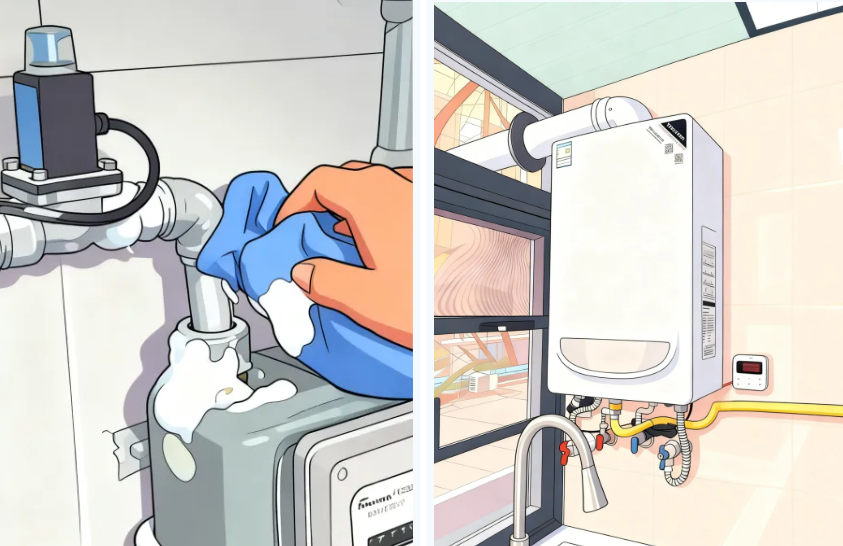
Core Points - The article emphasizes the importance of safely using gas wall-mounted boilers, especially as temperatures drop, highlighting potential safety hazards associated with improper use [1][2]. Group 1: Safety Risks - Inadequate combustion of gas can produce carbon monoxide, a toxic gas that poses serious health risks if not properly vented [2]. - Carbon monoxide is described as an "invisible killer," being colorless and odorless, making it difficult to detect [2]. Group 2: Prevention Measures - Proper installation of a dedicated flue that extends outdoors is crucial to prevent gas leaks [3]. - Regular checks of the flue for damage, blockages, and secure fittings are necessary to ensure safe operation [3]. Group 3: Pre-Usage Checks - Before starting the boiler, it is essential to check for gas leaks using soapy water on connections, ensuring no bubbles appear [5]. - The pressure gauge should read between 1 bar and 1.5 bar; adjustments may be needed if the pressure is too low or too high [5][6]. Group 4: Usage Guidelines - Users should maintain power to the boiler during the heating season, even when the house is unoccupied, to prevent pipe freezing [8]. - Good ventilation in the room where the boiler is installed is critical, and it should not be placed in bathrooms or sealed spaces [9]. Group 5: Emergency Procedures - In case of suspected gas leaks, immediate actions include shutting off the gas supply and avoiding any electrical devices or open flames [14]. - If the boiler malfunctions, users should consult the manual for error codes and refrain from self-repair, contacting professionals instead [14]. Group 6: Maintenance Recommendations - Regular maintenance every 1-2 years is advised to clean components and check operational efficiency, which can enhance safety and reduce gas costs [16][17].