一老一小战略

Search documents
莲池医院:冲刺港股IPO 拟加码“一老一小”战略与智慧医疗体系建设
Sou Hu Cai Jing· 2026-01-15 09:12
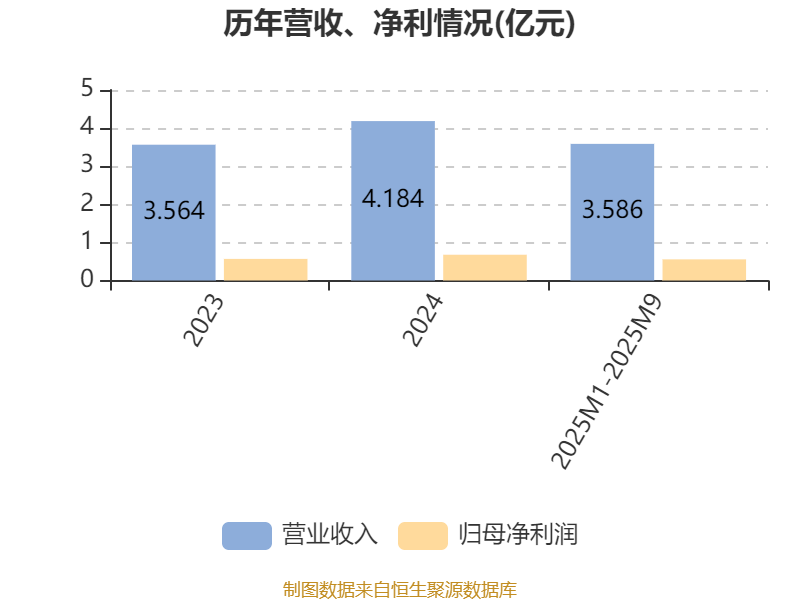
Core Viewpoint - Lianchi Hospital is a specialized medical group focusing on "safety, efficacy, and experience," responding to the "Healthy China" national strategy, and emphasizing a patient-centered management model [1] Group 1: Company Overview - Lianchi Hospital operates five hospitals and one elderly care institution, with a total building area of approximately 117,900 square meters and 786 registered beds [1] - The professional team consists of 341 licensed physicians and assistant physicians [1] Group 2: Fundraising and Financial Performance - The funds raised will be used for upgrading existing hospital services, expanding through mergers and acquisitions, establishing a research center, and supplementing working capital [2] - In 2024, the company achieved a revenue of 418 million yuan, a year-on-year increase of 17.39%, and a net profit of 67.59 million yuan, up 19.14% [2] - From January 1 to September 30, 2025, the company reported a revenue of 359 million yuan, a 20.34% increase, and a net profit of 55.51 million yuan, up 17.68% [2] Group 3: Asset Changes - As of September 2025, long-term equity investments decreased by 100%, reducing their proportion of total assets by 14.28 percentage points [5] - Goodwill increased by 233.18%, raising its proportion of total assets by 12.43 percentage points [5] - Intangible assets rose by 1004.57%, increasing their share of total assets by 6.88 percentage points [5] Group 4: Liability Changes - Other payables increased by 106.87%, raising their proportion of total assets by 7.36 percentage points [8] - Short-term borrowings accounted for 4.5% of total assets, which was previously 0 [8] - Deferred tax liabilities surged by 3864.08%, increasing their share of total assets by 1.04 percentage points [8]

2025西普会,葵花药业正式发布“一老一小”双引擎驱动战略
Qi Lu Wan Bao· 2025-08-22 12:03
Core Insights - The 18th Health Industry Ecological Conference in Hainan Boao highlighted the theme "Rapid Transformation, Crossing New Cycles - Reconstructing Growth Drivers and Evolving Industry Ecology" [1] - Kew Flower Pharmaceutical has established a dual-engine growth strategy focusing on "Elderly and Children" as its core development direction [2] Group 1: Strategic Focus - Kew Flower Pharmaceutical's "Elderly and Children" strategy is based on in-depth analysis of China's demographic changes, policy benefits, and health demands [2] - The "Elderly" segment focuses on adult chronic disease management, while the "Children" segment continues to address children's health needs, creating a dual growth pattern [2] - The 2024 National Aging Development Report indicates that by the end of 2024, the elderly population (aged 60 and above) will reach 31.03 million, accounting for 22.0% of the total population, while the population aged 0-15 will be 23.99 million, making up 17.1% [2] Group 2: Market Opportunities - The "Elderly and Children" pharmaceutical market presents both explosive demand and market gaps, offering opportunities in the "silver economy" and children's health consumption upgrades [2] - The adult constipation medication market in China reached a sales figure of 8.401 billion yuan in 2024, with expectations for continued growth by 2029 [3] Group 3: Product Launch and Innovation - The launch of Kew Flower's Kecang® Polyethylene Glycol 3350 Powder is a key innovation under the "Elderly" strategy, filling a gap in the market for adult long-term constipation medications [5] - The product features a "four-dimensional targeted defecation mechanism" and is designed for ease of use, enhancing patient compliance [5] Group 4: Retail and E-commerce Strategy - The forum on "How to Activate New Growth Vitality in Pharmacies" emphasized the need for pharmacies to transition from merely selling drugs to becoming health service hubs [7] - Kew Flower Pharmaceutical advocates for a differentiated model combining "products + service packages" to enhance user engagement and address health management needs [7] - The integration of online platforms with brand partners to create health zones for "Elderly and Children" is seen as a way to achieve full-chain coverage [7][9]