万星计划

Search documents
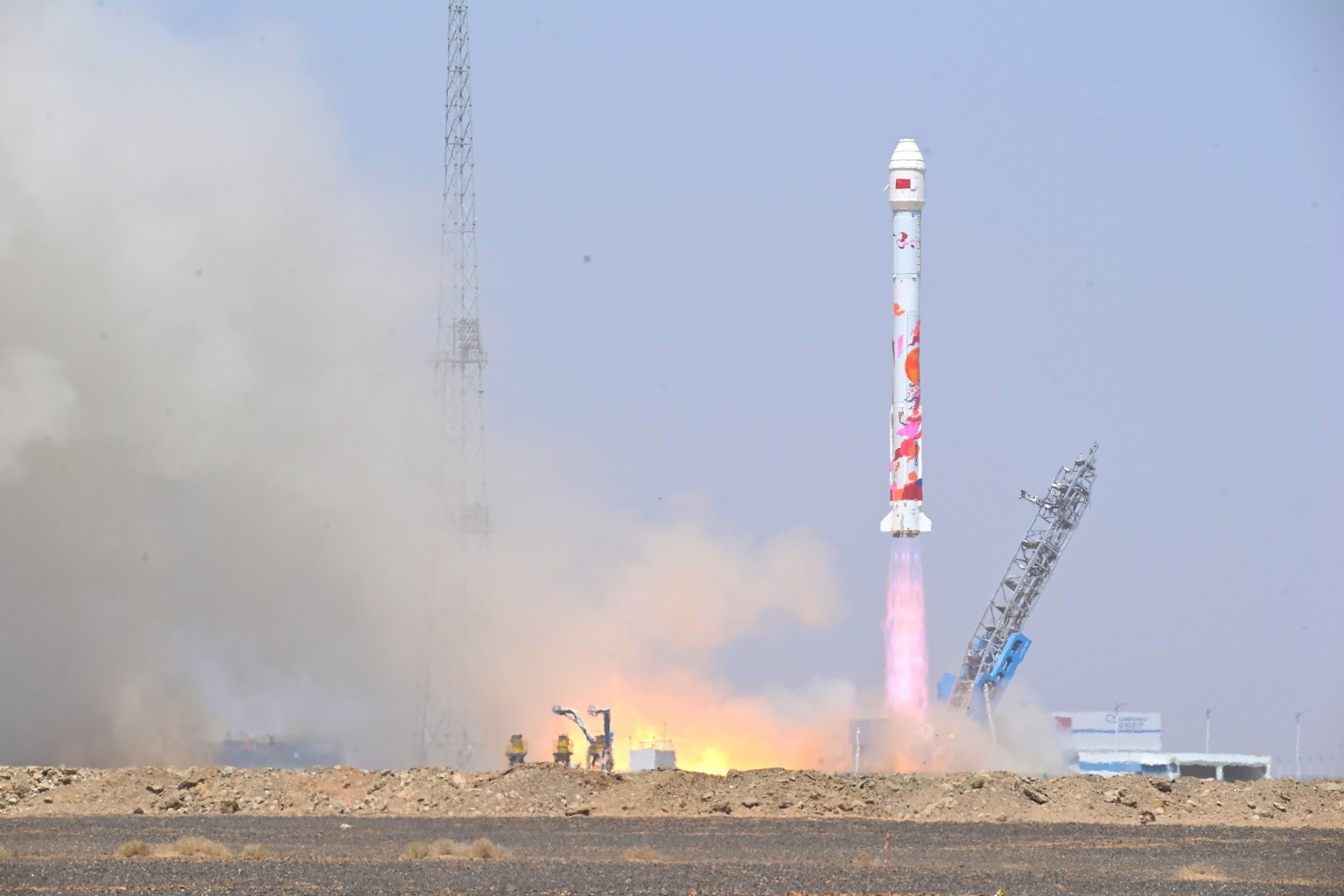
“国家队”可复用火箭首飞 虽未能回收但基本成功
Mei Ri Jing Ji Xin Wen· 2025-12-23 06:26
Core Viewpoint - The successful first flight of the Long March 12A rocket marks a significant step in China's commercial space sector, aiming to enhance the capabilities of reusable rockets and address the growing demand for low-cost, high-frequency satellite launches in the trillion-dollar market [2][3][5]. Group 1: Launch and Technology Development - The Long March 12A rocket's maiden flight achieved basic success, with the second stage entering the designated orbit, although the first stage was not successfully recovered [2]. - The launch signifies the entry of state-led reusable rocket technology into the competitive landscape, aiming to facilitate a transition to a low-cost, high-frequency launch era [2][3]. - The industry is witnessing a shift towards optimizing launch and operational costs, with a focus on the development of reusable rockets and satellite mass production [3][9]. Group 2: Market Dynamics and Competition - The competition in the commercial space sector is intensifying, with a focus on not just successful launches but also on the stability of delivery capabilities and reliability of new commercial rockets [6][9]. - Companies are exploring different strategies and technologies, such as the use of various propellants, to enhance the performance and cost-effectiveness of their rockets [7][11]. - The market is expected to evolve towards a comprehensive industrial system, emphasizing cost reduction through continuous technological innovation [9][11]. Group 3: Future Prospects and Challenges - The industry is at a critical juncture, moving from a focus on individual rocket success to a broader competition encompassing technological autonomy, production stability, and economic efficiency [9][12]. - The development of large payload rockets and the establishment of a robust satellite constellation are essential for meeting the demands of the rapidly growing satellite internet market [3][12]. - Regulatory improvements and the establishment of a supportive ecosystem are necessary to facilitate the growth of the commercial space sector and address existing bottlenecks [13].