
不敢腐不能腐不想腐

Search documents
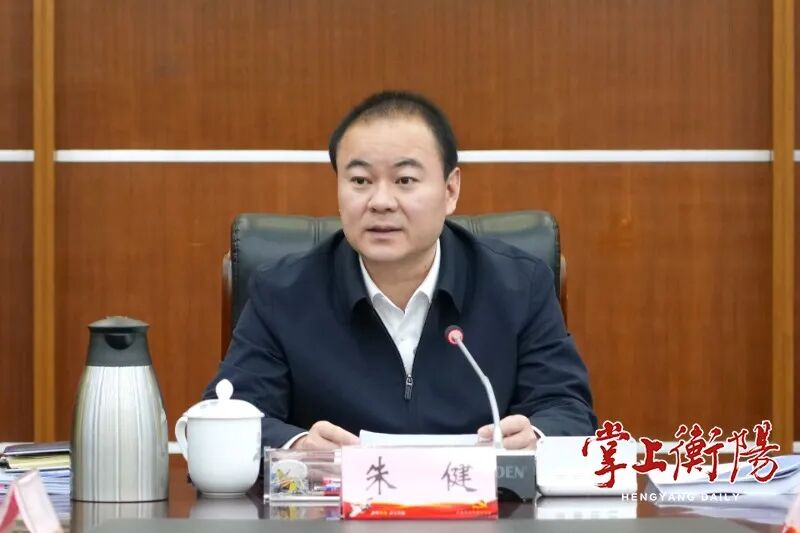
朱健专题听取十二届市委第十轮巡察情况汇报 刘中杰出席
Xin Lang Cai Jing· 2026-02-13 15:19
Group 1 - The core viewpoint emphasizes the importance of integrating inspection supervision into the system to promote anti-corruption measures and improve governance [2][3] - The meeting highlighted the effectiveness of the recent round of inspections, with a focus on implementing the central government's decisions and maintaining a high-pressure stance against corruption [3] - There is a call for deepening rectification efforts by establishing detailed lists of issues, tasks, and responsibilities to ensure timely corrections [3] Group 2 - The leadership aims to strengthen political supervision and address public concerns regarding corruption and misconduct [3] - A coordinated inspection work pattern is to be established, enhancing internal supervision and collaboration among departments [3] - The development of a talent pool for inspections is prioritized to ensure a capable and dedicated inspection team [3]

以永远在路上的坚韧和执着把党的自我革命进行到底——习近平总书记在二十届中央纪委五次全会上的重要讲话为推进全面从严治党指引方向
Xin Hua She· 2026-01-14 15:16
Group 1 - The core message of Xi Jinping's speech emphasizes the importance of self-revolution within the Party and the need to advance strict governance to ensure the implementation of major decisions by the Central Committee [1][2] - The speech acknowledges significant achievements in strict governance over the past year, highlighting the effectiveness of centralized leadership in combating corruption [2] - There is a call for enhanced political supervision and the need to ensure that major decisions are effectively implemented at all levels of governance [2][3] Group 2 - The importance of institutional frameworks in regulating power and preventing corruption is underscored, with a focus on making regulations more effective and operational [4][5] - The necessity for continuous education on laws and regulations for Party members is highlighted, aiming to integrate legal awareness into daily practices [6] - The speech stresses the need for a collaborative approach in governance, promoting a comprehensive supervision system that includes various departments to tackle corruption effectively [8][9]
强化以案促改促治 做好查办案件“后半篇文章”
Zhong Yang Ji Wei Guo Jia Jian Wei Wang Zhan· 2026-01-14 01:45
Core Viewpoint - The article emphasizes the importance of a comprehensive approach to anti-corruption efforts in China, highlighting the need for systemic reforms and the integration of case handling with institutional improvements to effectively combat corruption [2][8]. Group 1: Strengthening Responsibilities - The approach of promoting reform through case handling is a systematic project that requires forward-thinking, overall planning, and coordinated execution [3]. - The disciplinary inspection and supervision agencies are urged to ensure that reform requirements are communicated effectively to relevant departments, ensuring accountability in the reform process [3][4]. - Specific examples include the Nanjing Municipal Supervisory Commission's targeted recommendations for reform in response to identified systemic issues in project approval processes [3]. Group 2: Enhancing Supervision - The article discusses the need for a robust supervision mechanism throughout the case handling process, including the establishment of collaborative frameworks among various departments [4][5]. - The Dalian Municipal Commission for Discipline Inspection and Supervision has implemented a collaborative mechanism to enhance case analysis and supervision [4]. - The Han Zhong Municipal Commission has developed a long-term collaborative supervision mechanism in response to issues in campus meal management [5]. Group 3: Identifying Root Causes - A problem-oriented approach is essential for identifying weaknesses in institutional frameworks and power dynamics, which can inform targeted reforms [6]. - The Hefei Municipal Commission has formed a liaison group to analyze the underlying causes of corruption in state-owned assets, aiming for comprehensive risk management [6][7]. - The article highlights the importance of analyzing typical cases to extract common issues and develop effective governance strategies [7]. Group 4: Promoting Long-term Effectiveness - The article stresses the need for continuous efforts to eliminate the conditions that foster corruption, focusing on key personnel and critical positions [8][9]. - The Jilin Municipal Commission has implemented a project-based approach to manage and monitor reform efforts, ensuring accountability and progress tracking [9][10]. - The Qingdao Municipal Commission emphasizes the importance of addressing identified issues through systematic measures and establishing a rectification ledger for ongoing oversight [10].
着力加强新时代廉洁文化建设筑牢拒腐防变思想防线
Zhong Yang Ji Wei Guo Jia Jian Wei Wang Zhan· 2026-01-13 00:33
Group 1 - The core message emphasizes the importance of strengthening the construction of a clean culture in the new era as a fundamental project to promote the anti-corruption strategy of "not daring to corrupt, not being able to corrupt, and not wanting to corrupt" [2][3] - The construction of a clean culture should integrate traditional Chinese culture, revolutionary culture, and advanced socialist culture to cultivate a spirit of integrity and public service among party members and officials [3][4] - The National Museum will host an exhibition on ancient Chinese clean culture in 2025, aiming to attract over 400,000 visitors, which reflects the commitment to promoting clean values through cultural initiatives [4] Group 2 - The tasks of cultivating party character, enhancing party style, and enforcing party discipline are crucial for the construction of a clean culture in the new era [5] - Educational initiatives will be implemented to guide party members and officials in understanding and adhering to party regulations, utilizing case studies for effective warning education [5] - The approach to warning education will be tailored based on job responsibilities and integrity risk points, enhancing its relevance and effectiveness [5]