
不能过度超前

Search documents
国家首次针对城际铁路出台文件,明确“不能过度超前”
第一财经· 2026-01-27 05:16
Core Viewpoint - The article discusses the recently issued "Opinions on Promoting the Healthy and Sustainable Development of Intercity Railways" by the National Development and Reform Commission, marking the first official document addressing intercity railways in China. It emphasizes the need for appropriate infrastructure development to support high-quality urban integration and sustainable growth [3][6]. Summary by Sections Infrastructure Development - The document stresses the importance of balanced infrastructure development, avoiding excessive advancement while promoting urban agglomeration and new urbanization strategies [5][6]. - It highlights the formation of a backbone network of intercity railways in major urban clusters, with a total length nearing 1,800 kilometers, facilitating 1 to 2-hour travel between key cities [6]. Policy Guidelines - The "Opinions" outline five key clarifications regarding intercity railway planning and construction: functional positioning, standard conditions, implementation procedures, regulatory requirements, and management systems [6][7]. - Intercity railways are designated to meet the commuting, leisure, and business travel needs of passengers within 1 to 2 hours, distinguishing them from high-speed rail and urban transit systems [7]. Operational Management - The document introduces a comprehensive management approach for intercity railway planning and operation, focusing on three guiding principles: prioritizing existing resources, promoting diverse transportation entities, and emphasizing a people-centered philosophy [9]. - It encourages local governments to collaborate with railway enterprises to optimize existing railway capacities and enhance intercity passenger services [9]. Financial Mechanisms - The "Opinions" propose that new intercity railway projects should have a minimum capital contribution of 50%, with strict regulations against excessive debt financing [10]. - It also emphasizes the need for a sustainable funding mechanism and encourages the exploration of diverse financing channels to attract private investment in intercity railway projects [10].

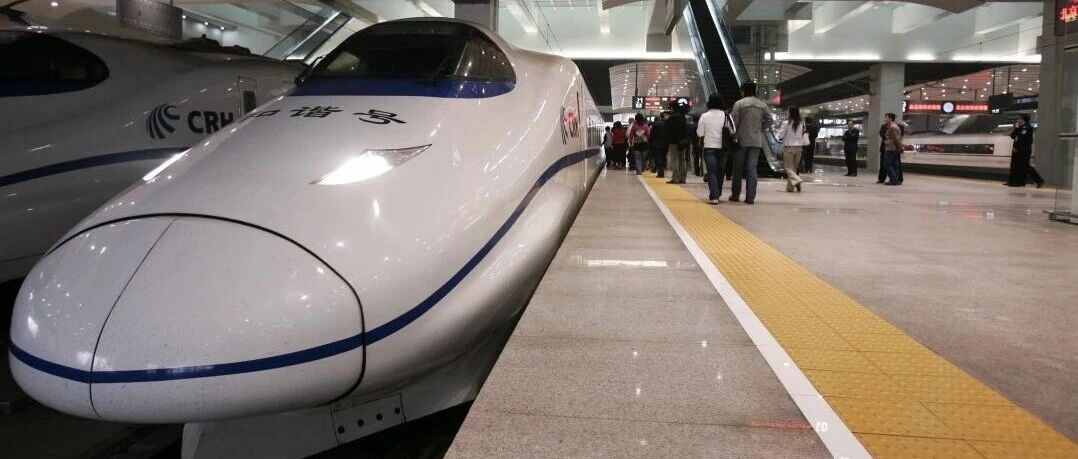
国家首次针对城际铁路出台文件,明确“不能过度超前”
Di Yi Cai Jing· 2026-01-27 05:01
Core Viewpoint - The National Development and Reform Commission (NDRC) has issued guidelines for the sustainable development of intercity railways, marking the first official document addressing this sector, emphasizing the need for balanced infrastructure development and the promotion of high-quality urban integration [1][2]. Group 1: Policy and Guidelines - The guidelines stress the importance of not overbuilding and highlight the need for a structured approach to intercity railway planning, including five key clarifications: functional positioning, standard conditions, implementation procedures, regulatory requirements, and management systems [3]. - The document specifies that new intercity railways should target a minimum bidirectional passenger flow density of 15 million passengers per year, with a focus on meeting the commuting, leisure, and business travel needs within 1 to 2 hours [3][4]. Group 2: Infrastructure Development - The intercity railway network is rapidly developing in major urban clusters, with nearly 1,800 kilometers of operational lines, significantly enhancing connectivity and supporting regional development strategies [2]. - The NDRC emphasizes the need for a balanced approach to resource utilization, advocating for the use of existing railway capacity before initiating new projects, thereby ensuring efficient service delivery [5]. Group 3: Financial and Operational Management - The guidelines propose that new intercity railway projects should have a minimum equity capital ratio of 50%, and projects with high debt risks are discouraged from accruing additional local government debt for new developments [5]. - The document encourages collaboration between local governments and railway enterprises to enhance the functionality of existing railways and improve passenger flow efficiency [5].