
城际铁路

Search documents
城际铁路建设运营迎来国家级规范指引 提升可持续发展能力
Jing Ji Ri Bao· 2026-01-28 09:05
Core Viewpoint - The National Development and Reform Commission (NDRC) has issued guidelines for the sustainable development of intercity railways, aiming to create a well-structured, efficient, and economically viable intercity rail network to promote high-quality integration of urban clusters [1][2]. Group 1: Policy and Guidelines - The guidelines consist of 12 measures focusing on planning, operational optimization, and establishing a sustainable development mechanism for intercity railways [1]. - This is the first national-level document addressing intercity railway development, emphasizing the need for infrastructure construction to be appropriately advanced without excessive overreach [1][2]. - The document clarifies the functional positioning of intercity railways, which should cater to medium and short-distance travel needs, specifically for commutes, leisure, and business within 1 to 2 hours [2]. Group 2: Construction and Operational Standards - New intercity railway projects must have a minimum dual-direction passenger flow density of 15 million trips per year, and projects with existing lines that fail to meet 50% of expected passenger flow after five years will be paused [2]. - The guidelines prohibit the construction of high-speed railways or urban transit systems under the guise of intercity railways, ensuring a clear distinction in functionality [2]. Group 3: Financial Mechanisms and Investment - The guidelines promote the establishment of a long-term funding mechanism, requiring a minimum capital contribution of 50% for new intercity railway projects and disallowing projects that do not have secured funding sources for debt repayment and operational losses [3]. - There is encouragement for private sector participation in eligible projects, along with the exploration of financial products and services tailored for intercity railways [3]. Group 4: Management and Quality of Service - A significant highlight of the guidelines is the emphasis on comprehensive management throughout the planning, construction, and operation phases of intercity railways [3]. - The quality of service provided by intercity railways is crucial for ensuring safety, convenience, and efficiency, which are essential for sustainable development [3].
提升城际铁路可持续发展能力
Jing Ji Ri Bao· 2026-01-27 22:15
Core Viewpoint - The National Development and Reform Commission (NDRC) has issued guidelines for the sustainable development of intercity railways, aiming to create a well-structured, efficient, and economically viable intercity rail network to promote high-quality integration of urban clusters [1][2]. Group 1: Policy and Guidelines - The guidelines include 12 measures focusing on planning, operational optimization, and establishing a sustainable development mechanism for intercity railways [1]. - This is the first national-level document specifically addressing the development of intercity railways, emphasizing the need for appropriate infrastructure development without excessive advancement [1][2]. - The document clarifies the functional positioning of intercity railways, which should cater to medium and short-distance travel needs, specifically for commutes, leisure, and business within 1 to 2 hours [2]. Group 2: Operational Standards and Requirements - New intercity railway projects must have a minimum dual-direction passenger flow density of 15 million trips per year, and projects with insufficient passenger density after five years will be paused [2][3]. - The guidelines prohibit the construction of high-speed railways or urban transit systems under the guise of intercity railways, ensuring a clear distinction in functionality [2]. Group 3: Financial Mechanisms and Investment - The guidelines promote the establishment of a long-term funding mechanism, requiring a minimum capital contribution of 50% for new intercity railway projects [3]. - Projects that do not secure funding sources for debt repayment or operational losses will not be approved, while encouraging private sector participation in financing [3]. Group 4: Management and Quality of Service - The document emphasizes comprehensive management throughout the planning, construction, and operation phases of intercity railways, highlighting the importance of providing quality service for sustainable development [3]. - The intercity railway system is recognized as a crucial component of multi-level rail transport, supporting modern industrial systems and promoting collaborative industry chain division [3].
国家首次针对城际铁路出台文件,明确“不能过度超前”
第一财经· 2026-01-27 05:16
Core Viewpoint - The article discusses the recently issued "Opinions on Promoting the Healthy and Sustainable Development of Intercity Railways" by the National Development and Reform Commission, marking the first official document addressing intercity railways in China. It emphasizes the need for appropriate infrastructure development to support high-quality urban integration and sustainable growth [3][6]. Summary by Sections Infrastructure Development - The document stresses the importance of balanced infrastructure development, avoiding excessive advancement while promoting urban agglomeration and new urbanization strategies [5][6]. - It highlights the formation of a backbone network of intercity railways in major urban clusters, with a total length nearing 1,800 kilometers, facilitating 1 to 2-hour travel between key cities [6]. Policy Guidelines - The "Opinions" outline five key clarifications regarding intercity railway planning and construction: functional positioning, standard conditions, implementation procedures, regulatory requirements, and management systems [6][7]. - Intercity railways are designated to meet the commuting, leisure, and business travel needs of passengers within 1 to 2 hours, distinguishing them from high-speed rail and urban transit systems [7]. Operational Management - The document introduces a comprehensive management approach for intercity railway planning and operation, focusing on three guiding principles: prioritizing existing resources, promoting diverse transportation entities, and emphasizing a people-centered philosophy [9]. - It encourages local governments to collaborate with railway enterprises to optimize existing railway capacities and enhance intercity passenger services [9]. Financial Mechanisms - The "Opinions" propose that new intercity railway projects should have a minimum capital contribution of 50%, with strict regulations against excessive debt financing [10]. - It also emphasizes the need for a sustainable funding mechanism and encourages the exploration of diverse financing channels to attract private investment in intercity railway projects [10].

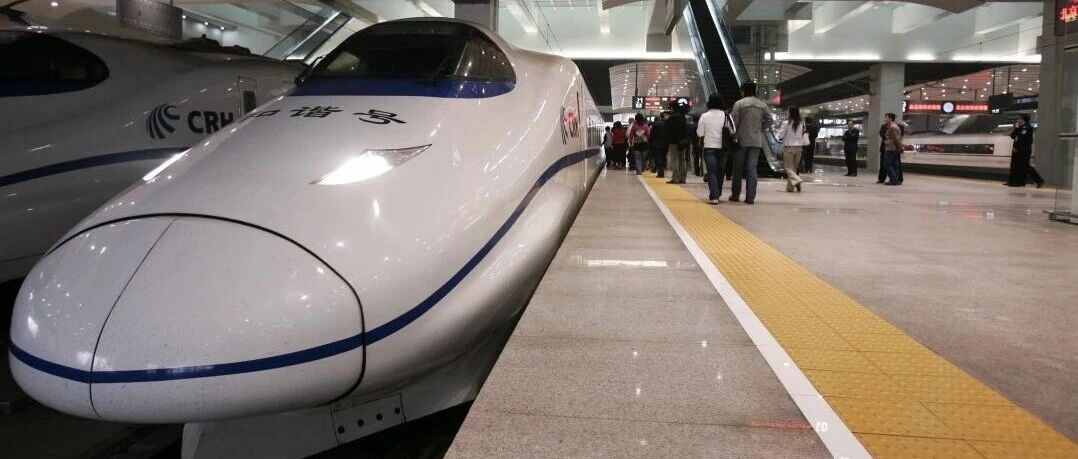
国家首次针对城际铁路出台文件,明确“不能过度超前”
Di Yi Cai Jing· 2026-01-27 05:01
Core Viewpoint - The National Development and Reform Commission (NDRC) has issued guidelines for the sustainable development of intercity railways, marking the first official document addressing this sector, emphasizing the need for balanced infrastructure development and the promotion of high-quality urban integration [1][2]. Group 1: Policy and Guidelines - The guidelines stress the importance of not overbuilding and highlight the need for a structured approach to intercity railway planning, including five key clarifications: functional positioning, standard conditions, implementation procedures, regulatory requirements, and management systems [3]. - The document specifies that new intercity railways should target a minimum bidirectional passenger flow density of 15 million passengers per year, with a focus on meeting the commuting, leisure, and business travel needs within 1 to 2 hours [3][4]. Group 2: Infrastructure Development - The intercity railway network is rapidly developing in major urban clusters, with nearly 1,800 kilometers of operational lines, significantly enhancing connectivity and supporting regional development strategies [2]. - The NDRC emphasizes the need for a balanced approach to resource utilization, advocating for the use of existing railway capacity before initiating new projects, thereby ensuring efficient service delivery [5]. Group 3: Financial and Operational Management - The guidelines propose that new intercity railway projects should have a minimum equity capital ratio of 50%, and projects with high debt risks are discouraged from accruing additional local government debt for new developments [5]. - The document encourages collaboration between local governments and railway enterprises to enhance the functionality of existing railways and improve passenger flow efficiency [5].
新建城际铁路设计速度一般为每小时120至200公里
Xin Lang Cai Jing· 2026-01-26 21:05
Core Viewpoint - The National Development and Reform Commission (NDRC) has issued guidelines to promote the healthy and sustainable development of intercity railways, emphasizing the need for a reasonable, efficient, and economically viable intercity rail network to support high-quality urban integration. Group 1: Intercity Railway Development - Intercity railways serve as a key passenger transport method between major cities within urban clusters, with the backbone network in four major urban clusters nearing a total length of 1,800 kilometers, achieving operational efficiency and enabling 1 to 2-hour connectivity between major cities [1][2] - New intercity railways are required to have a minimum bidirectional passenger flow density of 15 million trips per year, with design speeds generally ranging from 120 to 200 kilometers per hour [1] Group 2: Operational Management - The guidelines emphasize comprehensive management throughout the planning, construction, and operation of intercity railways, highlighting three operational priorities: utilizing existing resources, promoting diverse operational entities, and focusing on passenger needs [2] - The NDRC encourages local governments to collaborate with railway companies to maximize the use of existing railway capacity for intercity services and supports various operational models tailored to local conditions [2]
国家首次针对城际铁路出台文件,重点满足1至2小时通勤、休闲等
Jin Rong Jie· 2026-01-26 04:35
Core Viewpoint - The National Development and Reform Commission has issued guidelines to promote the healthy and sustainable development of intercity railways, aiming to create a well-structured, efficient, and economically viable intercity rail network to facilitate high-quality integration of urban agglomerations [1] Group 1: Intercity Railway Development - Intercity railways serve as the backbone passenger transport mode between key cities in urban agglomerations [1] - The intercity railway backbone network in the four major urban agglomerations—Beijing-Tianjin-Hebei, Yangtze River Delta, Guangdong-Hong Kong-Macau Greater Bay Area, and Chengdu-Chongqing Economic Circle—is rapidly forming, with a total length approaching 1,800 kilometers [1] - Operational efficiency is steadily improving, with major cities within these urban agglomerations achieving basic connectivity within 1 to 2 hours [1] Group 2: Functional Positioning of Intercity Railways - The guidelines clarify the functional positioning of intercity railways, which primarily connect central cities within urban agglomerations and large and medium-sized cities with a permanent population of over 500,000 [1] - The railways are designed to link important passenger flow distribution centers and densely populated areas along the routes [1] - A flexible transportation organization model featuring high density and small train sets is emphasized, focusing on meeting the travel needs for commuting, leisure, and business within 1 to 2 hours [1]
重点满足1至2小时通勤、休闲等 国家首次针对城际铁路出台文件
Jing Ji Guan Cha Wang· 2026-01-26 04:22
Core Viewpoint - The National Development and Reform Commission (NDRC) has issued guidelines to promote the healthy and sustainable development of intercity railways, emphasizing the need for a well-structured, efficient, and economically viable intercity rail network to support high-quality integration of urban agglomerations [1][2]. Group 1: Intercity Railway Development - Intercity railways serve as a key passenger transport mode between major cities within urban agglomerations, with the backbone networks in the Beijing-Tianjin-Hebei, Yangtze River Delta, Guangdong-Hong Kong-Macau Greater Bay Area, and Chengdu-Chongqing economic circles nearing a total length of 1,800 kilometers [1]. - The operational efficiency of these intercity railways is steadily improving, achieving basic connectivity between major cities within 1 to 2 hours [1]. Group 2: Guidelines and Operational Management - The guidelines specify that new intercity railways should have a minimum bidirectional passenger flow density of 15 million trips per year, with design speeds typically ranging from 120 to 200 kilometers per hour [1]. - The NDRC emphasizes a comprehensive management approach throughout the planning, construction, and operation phases of intercity railways, focusing on three operational directives: prioritizing existing resources, promoting diverse operational entities, and centering on public needs [2]. - Future efforts will involve collaboration with relevant departments to ensure the effective implementation of these guidelines and to enhance overall management for sustainable development [2].
国家发展和改革委员会印发意见 推进城际铁路健康可持续发展
Ren Min Ri Bao· 2026-01-26 01:41
Core Viewpoint - The National Development and Reform Commission (NDRC) has issued guidelines to promote the healthy and sustainable development of intercity railways, marking the first official document addressing this sector, aimed at enhancing policy support and guiding higher quality development [1][2]. Group 1: Key Content of the Guidelines - The guidelines clarify the functional positioning of intercity railways as a primary passenger transport mode between key cities within urban clusters, focusing on meeting the travel needs for commuting, leisure, and business within 1 to 2 hours [2]. - Standards for new intercity railways are established, requiring a minimum of 15 million passenger trips per year for new projects, with a cautious approach to parallel construction with existing railways. Projects in areas where existing railways have not met 50% of expected passenger density after five years will be paused [2]. - The implementation process for intercity railway construction will involve joint planning by provincial development, transportation, and natural resources departments, with final approval from the NDRC [2]. Group 2: Regulatory and Management Framework - The guidelines emphasize a management system that involves national coordination and provincial responsibility, with the NDRC and other relevant departments overseeing the development of intercity railways [3]. - Regulatory requirements include the National Railway Administration's role in industry supervision and local governments' accountability for project quality and safety. New projects must have at least 50% capital funding from local governments, and areas where existing railways have not achieved cash flow balance after ten years will also see new projects paused to mitigate debt risks [2].
国家发展改革委印发意见:推进城际铁路健康可持续发展
Ren Min Ri Bao· 2026-01-26 00:55
Core Viewpoint - The National Development and Reform Commission (NDRC) has issued the first official document aimed at promoting the healthy and sustainable development of intercity railways, emphasizing policy guidance and support for higher quality and sustainable growth in this sector [1] Group 1: Key Content of the Opinion - The intercity railway is defined as a key passenger transport method between major cities within urban clusters, primarily catering to short to medium-distance travel needs such as commuting, leisure, and business, with a strict prohibition on using intercity railway projects to disguise the construction of high-speed rail or urban transit systems [2] - New intercity railways must meet a minimum bidirectional passenger flow density of 15 million trips per year, with caution advised in constructing parallel intercity railways to existing mainline railways. Projects in areas where existing intercity railways have not met 50% of expected passenger flow density after five years will be paused [2] - The construction of new intercity railways is generally to be above ground, with design speeds typically ranging from 120 to 200 kilometers per hour [2] Group 2: Implementation and Management - The planning for intercity railway construction will be jointly prepared by provincial development, transportation, and natural resources departments, and submitted for approval to the NDRC [2] - The National Railway Administration is tasked with industry supervision, while local governments are responsible for ensuring project quality and safety. New intercity railway projects must have a minimum capital contribution of 50%, and areas where existing intercity railways have not achieved cash flow balance after ten years will also see new projects paused to mitigate debt risks [2] - A management system will be established with national coordination and provincial responsibility, involving collaboration among various departments and levels of government to ensure effective implementation of intercity railway development [3]
国家发展改革委印发意见 推进城际铁路健康可持续发展
Ren Min Ri Bao· 2026-01-25 23:51
Core Viewpoint - The National Development and Reform Commission (NDRC) has issued the first official document aimed at promoting the healthy and sustainable development of intercity railways, emphasizing policy guidance and support for higher quality and sustainability in this sector [1]. Group 1: Key Content of the Document - The document clarifies the functional positioning of intercity railways as a major passenger transport method between key cities in urban clusters, focusing on meeting the travel needs for commuting, leisure, and business within 1 to 2 hours [2]. - It sets standards and conditions for new intercity railways, requiring a minimum of 15 million passengers per year for newly constructed lines and stipulating that projects must be paused if existing lines do not meet 50% of expected passenger density after five years [2]. - The implementation procedures for intercity railway construction are outlined, requiring joint planning by provincial development, transportation, and natural resources departments, with final approval from the NDRC [2]. Group 2: Regulatory and Management Framework - The document establishes a management system that emphasizes a national-level coordination with provincial responsibility, ensuring collaboration among various departments and levels of government in the planning, design, construction, and operation of intercity railways [3]. - It mandates the National Railway Administration to oversee industry supervision and places responsibility on local governments for quality and safety, including a requirement for new projects to have at least 50% equity funding and to avoid illegal debt financing [2]. - Areas where existing intercity railways have not achieved cash flow balance after ten years will also see a suspension of new project approvals to mitigate debt risks [2].