盘活存量资源

Search documents
城楼网|政策工具箱持续扩容 地方因城施策稳楼市
Xin Lang Cai Jing· 2026-02-27 10:42
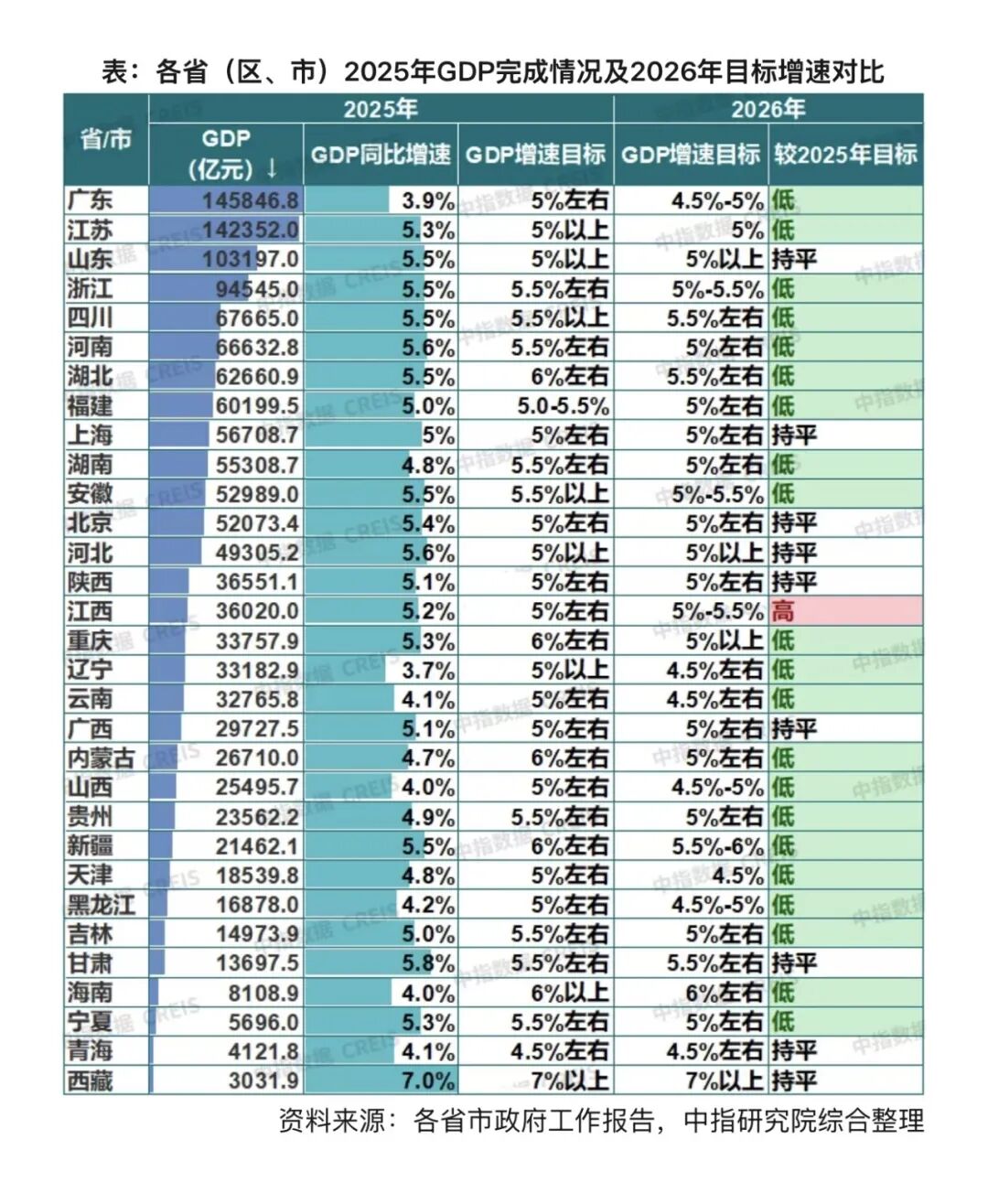
Core Insights - The real estate policies across various provinces are shifting from broad adjustments to more refined regional strategies, focusing on urban renewal, quality enhancement, and revitalization of existing resources to promote a stable and healthy real estate market [4][9] Economic Data Summary - Guangdong's GDP is projected at 14,584.68 billion yuan with a year-on-year growth rate of 3.9% and a growth target of around 5% for 2026, which is a decrease from the previous target [1] - Jiangsu's GDP is estimated at 14,235.20 billion yuan with a growth rate of 5.3% and a target of 5% for 2026, indicating a slight reduction [1] - Shandong's GDP is expected to reach 10,319.70 billion yuan with a growth rate of 5.5%, maintaining the target of over 5% for 2026 [1] - Zhejiang's GDP is forecasted at 9,454.50 billion yuan with a growth rate of 5.5% and a target of around 5.5% for 2026, unchanged from the previous target [1] - The GDP growth targets for various provinces show a trend of stabilization or slight reductions, with most provinces aiming for growth rates between 4.0% and 6.0% for 2026 [1][7] Policy Initiatives - Over 90% of provinces (30 in total) emphasize urban renewal as a key focus for 2026, with specific renovation task goals set by cities like Beijing and Tianjin [3][9] - The construction of "good houses" has received responses from 27 provinces, with some like Jilin and Guizhou setting targets for the number of demonstration projects [3][9] - Revitalizing existing resources is highlighted as a crucial strategy by 22 provinces, with cities like Chongqing and Liaoning planning to expand the acquisition of existing commercial housing for use in affordable housing [3][9] Regional Policy Characteristics - The phrase "targeted measures based on local conditions" has become a common expression in government reports, indicating a diverse toolbox of policy measures across regions [3][6] - Specific initiatives include reforms to the housing provident fund system, promotion of "old-for-new" housing exchanges, and exploration of current housing sales systems in provinces like Jiangsu, Anhui, and Sichuan [3][9] - Some provinces, such as Guizhou, Yunnan, and Qinghai, are leveraging their resource advantages to develop tourism and wellness real estate [3][9]

国家首次针对城际铁路出台文件,明确“不能过度超前”
Di Yi Cai Jing· 2026-01-27 05:01
Core Viewpoint - The National Development and Reform Commission (NDRC) has issued guidelines for the sustainable development of intercity railways, marking the first official document addressing this sector, emphasizing the need for balanced infrastructure development and the promotion of high-quality urban integration [1][2]. Group 1: Policy and Guidelines - The guidelines stress the importance of not overbuilding and highlight the need for a structured approach to intercity railway planning, including five key clarifications: functional positioning, standard conditions, implementation procedures, regulatory requirements, and management systems [3]. - The document specifies that new intercity railways should target a minimum bidirectional passenger flow density of 15 million passengers per year, with a focus on meeting the commuting, leisure, and business travel needs within 1 to 2 hours [3][4]. Group 2: Infrastructure Development - The intercity railway network is rapidly developing in major urban clusters, with nearly 1,800 kilometers of operational lines, significantly enhancing connectivity and supporting regional development strategies [2]. - The NDRC emphasizes the need for a balanced approach to resource utilization, advocating for the use of existing railway capacity before initiating new projects, thereby ensuring efficient service delivery [5]. Group 3: Financial and Operational Management - The guidelines propose that new intercity railway projects should have a minimum equity capital ratio of 50%, and projects with high debt risks are discouraged from accruing additional local government debt for new developments [5]. - The document encourages collaboration between local governments and railway enterprises to enhance the functionality of existing railways and improve passenger flow efficiency [5].
盘活存量,关键在巧拨“炭火”(评论员观察)
Ren Min Ri Bao· 2026-01-20 23:38
Group 1 - The core idea emphasizes transforming the approach from "heavy construction to light management" to better activate the value of existing assets by discovering and utilizing underused resources [1][2] - The concept of a "food bank" in Shenzhen, which collaborates with supermarkets to collect unsold food, illustrates how repurposing existing resources can benefit both the community and businesses by reducing waste and providing tax incentives [1][2] - The "time bank" initiative in Chongqing encourages healthy younger seniors to provide services to older seniors, creating a system where time spent volunteering can be exchanged for goods or future services, thus enhancing community engagement and resource utilization [2][3] Group 2 - The article suggests that activating existing resources requires a mutual benefit mechanism, where all parties involved can see immediate and future advantages, exemplified by the "time bank" model [3] - It highlights the need for innovation in thinking, methods, and technology to unlock the value of existing resources, which can include not only physical assets but also skills and behavioral choices [3] - The overall goal is to achieve sustainable development by ensuring that every update meets human needs and that every piece of land generates new value, thereby fostering continuous growth in urban and rural areas [2][3]
天津市规划资源局静海分局推进监管与行政审批双落地
Zhong Guo Fa Zhan Wang· 2026-01-14 03:41
Group 1 - The Tianjin Planning and Resources Bureau aims to enhance the business environment by promoting a mindset where "everyone, everything, and everywhere is a business environment," focusing on efficient approval processes and warm services to support enterprise investment and development [1] - The bureau is committed to a service-oriented approach, winning the trust of enterprises and establishing a positive social image by addressing bottlenecks and improving service efficiency through on-site engagement with local departments and project companies [1][2] - A specialized task force has been established to address project construction issues in the Ziya Economic and Technological Development Zone, implementing tailored solutions based on specific project circumstances and legal frameworks [2] Group 2 - The bureau is implementing proactive measures to optimize the business environment, including assigning dedicated personnel to key projects, enhancing approval efficiency through early intervention and parallel processing, and ensuring effective communication with enterprises [3] - Policies aimed at revitalizing existing resources and alleviating enterprise burdens are being utilized, with a focus on personalized service and preventing delays in policy implementation [3] - A long-term mechanism for inter-departmental coordination is being established to ensure timely resolution of issues, streamline approval processes, and hold responsible parties accountable for slow progress [3]
万科频现土拍市场 合作拿地备战区域深耕
Zheng Quan Shi Bao Wang· 2025-11-25 23:42
Core Insights - Vanke has been actively participating in land auctions, recently acquiring two plots in Hangzhou and Wuhan on November 25, showcasing a strategy of joint ventures and bottom-price bidding [1][2] Group 1: Recent Land Acquisitions - On November 25, Vanke, in collaboration with Hangzhou Anju Construction Investment Group, acquired a plot in Hangzhou's Gongshu District at a starting and final price of 1.015 billion yuan, with a floor price of 14,931 yuan per square meter [1] - Vanke, in partnership with Hubei Keti, also secured a residential plot in Wuhan's Optics Valley Financial Port for a bottom price of 394 million yuan, with a floor price of 6,400 yuan per square meter [1][2] - Vanke's recent land acquisitions in Chongqing and Chengdu also reflect a strategy of "increasing positions," with a focus on low plot ratios and small land parcels [2] Group 2: Investment Strategy and Market Trends - Analysts indicate that real estate companies are adopting more rational and conservative investment strategies, focusing on good cities, good plots, and good houses through innovative investment models [1][2] - Vanke's new chairman, Huang Liping, emphasized the importance of stabilizing residential development while optimizing business layout and structure, focusing on resource revitalization [3] - Vanke reported an increase in available saleable value of 22.8 billion yuan in the first ten months, highlighting the significance of revitalizing historical resources amid tight funding [3]

万科密集合作摘地 或瞄准区域深耕
Zheng Quan Shi Bao Wang· 2025-11-25 09:55
Core Insights - Vanke has been actively participating in land auctions, recently acquiring two plots in Hangzhou and Wuhan, showcasing a trend of joint ventures and bottom-price acquisitions [1][2] - The company is focusing on innovative investment models, emphasizing collaboration and deepening regional presence through methods like agency construction [1][2] - Vanke's new chairman, Huang Liping, highlighted the importance of resource optimization and risk management, aiming for high-quality development in the real estate sector [3] Group 1: Recent Land Acquisitions - On November 25, Vanke, in partnership with Hangzhou Anju Construction Investment Group, acquired a plot in Hangzhou at a starting and transaction price of 1.015 billion yuan, with a floor price of 14,931 yuan per square meter [1] - The same day, Vanke and Hubei Keti Investment jointly secured a residential plot in Wuhan for a base price of 394 million yuan, with a floor price of 6,400 yuan per square meter [1] - Vanke's recent land acquisitions in Chongqing and Chengdu also reflect a strategy of "increasing holdings" in previously underserved areas [2] Group 2: Investment Strategy and Market Trends - The current trend among real estate companies is towards more rational and conservative investments, with a focus on low plot ratios and smaller land parcels [2] - Companies are innovating investment strategies by concentrating on prime cities and quality land, utilizing methods like agency construction and partnerships to enhance regional development [1][2] - Vanke's management emphasized the significance of revitalizing existing resources, reporting an increase in available saleable value of 22.8 billion yuan in the first ten months of the year [3]
盘活存量资源多地国资平台挂牌卖房
Zheng Quan Shi Bao· 2025-11-19 18:12
Core Viewpoint - The recent trend of local state-owned asset platforms publicly auctioning real estate is seen as a method to revitalize existing resources while ensuring the preservation and appreciation of state assets, rather than a sign of "fire sales" [1][2]. Group 1: Auction Activities - Sichuan Gongxin Auction Co. is set to auction 144 residential units in Xichang, while Guizhou Dacheng Construction Development Co. is transferring 11 properties in various cities, most of which are currently idle [1]. - Fuzhou's Linghang Land and Housing Development Co. plans to publicly auction 51 market-oriented residential units on November 21 [1]. - Previous instances of local state-owned entities selling properties have been noted in cities like Beijing and Yantai, with a variety of asset types including residential, commercial, and parking spaces [1]. Group 2: Reasons Behind Sales - The sale of properties by local state-owned assets is viewed as a response to the cyclical adjustments in the real estate market and the deepening regulation of state assets [2]. - Key motivations for the sales include "asset optimization strategies," "funding pressures," and "policy-driven actions" to revitalize assets [2]. - Many properties being sold are older "competitive housing" or subsidized housing that have been underutilized, leading to high holding costs [2]. Group 3: Market Impact - Experts believe that while individual cases of state-owned property sales may have limited impact on the secondary housing market, the cumulative effect of increased supply should be monitored [2]. - The auctioned properties are not expected to be significantly discounted, as they undergo price evaluations before being listed [2]. - Government departments are advised to consider various supply sources, including new homes, second-hand listings, and state-owned auctions, to accurately assess market supply dynamics [3].
盘活存量资源 多地国资平台挂牌卖房
Zheng Quan Shi Bao· 2025-11-19 18:06
Core Viewpoint - The recent trend of local state-owned asset platforms publicly auctioning real estate is seen as a method to revitalize existing resources while ensuring the preservation and appreciation of state assets, rather than a sign of "fire sales" [1][2] Group 1: Auction Activities - Sichuan Gongxin Auction Co., entrusted by the Xichang Real Estate Affairs Center, is set to auction 144 housing units online [1] - Guizhou Dacheng Construction Development Co. is listing 11 properties in cities like Chongqing and Jiangmen, most of which are currently idle [1] - Fuzhou's Linghang Land and Housing Development Co. plans to publicly auction 51 market-oriented residential units on November 21 [1] Group 2: Reasons for Selling - The sale of properties by local state-owned assets is a response to the cyclical adjustments in the real estate market and the deepening regulation of state assets [2] - Key reasons for the surge in property sales include "asset optimization strategies," "funding pressure for recovery," and "policy-driven asset revitalization actions" [2] - Many properties being sold are older "competitive construction" housing or low-yield rental properties that have been idle for a long time, leading to high holding costs [2] Group 3: Market Impact - Experts believe that while individual cases of state-owned property sales may have limited impact on the second-hand housing market, the cumulative effect of increased supply should be monitored [2] - The auctioned properties are not listed on other intermediary platforms and are sold through designated property trading centers, ensuring that they are priced based on prior evaluations [2] - The government should consider various supply sources, including new homes, second-hand listings, judicial auction properties, and state-owned platform auctions, to accurately assess market supply dynamics [3]
下好盘活存量的“绣花功夫”(微观)
Ren Min Ri Bao· 2025-10-30 22:37
Core Viewpoint - The recent trend of reusing nearly 50,000 seats from the commemorative event for various public spaces reflects a commitment to green frugality and effective resource utilization [1][2][3] Group 1: Green Frugality and Resource Utilization - The repurposing of the seats demonstrates a practical application of the green frugality concept, ensuring that standards are maintained while enhancing utility [2] - The Beijing Winter Olympics showcased effective use of existing venues, avoiding unnecessary construction and promoting sustainability [2] - The distribution of seats to schools and public areas illustrates a meticulous planning process that aligns with specific needs, showcasing urban governance wisdom [2] Group 2: Cultural and Historical Significance - The reallocation of seats serves as a means to evoke historical memories and foster national pride among the public [3] - The transformation of underutilized spaces into vibrant community areas reflects a broader trend of revitalizing urban environments through innovative approaches [3] - The initiative aims to instill a sense of patriotism and collective memory, turning the commemorative event into a living educational resource for future generations [3]
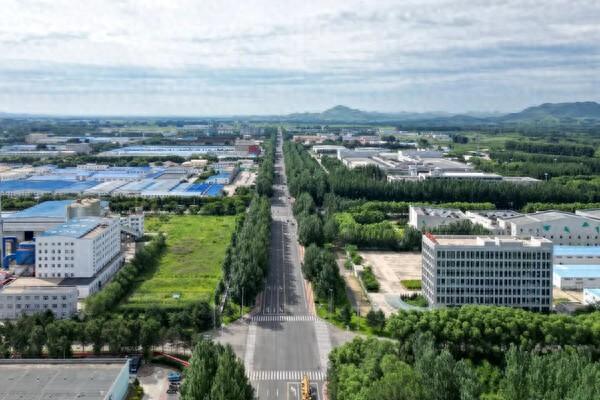
“新朋友”落地提速“老住户”焕发生机——乌兰浩特绿色产业园全力跑出“加速度”
Nei Meng Gu Ri Bao· 2025-10-11 02:54
Core Insights - The Wenzhou Morning Light Group's woven bag production project has entered trial production in the Ulanhot Green Industrial Park, demonstrating the local government's commitment to optimizing the business environment and promoting industrial clustering [1][3] - The project, with an investment of 20 million yuan planned for 2025, aims to serve large fertilizer companies in the region, enhancing the local industrial chain and collaboration [3] - Ulanhot's innovative "assistance and agency" service mechanism has facilitated the rapid establishment of the project, providing comprehensive support for various administrative processes [3] Investment and Economic Development - The Ulanhot Green Industrial Park is actively attracting quality enterprises and revitalizing dormant businesses, injecting new momentum into the local economy [3] - The park has successfully initiated projects such as a 200-ton annual production line for purslane fermentation liquid and a 50 million yuan investment in a new hot pot base oil processing facility [4] - The park's efforts to revitalize idle resources have led to the resumption of production for several companies, including the Ulanhot Ordos Cashmere Products Co., which has resumed operations and generated 12.59 million yuan in output [5] Future Prospects - The green industrial park is expected to provide customized services for local agricultural product processing companies, further reducing operational costs and enhancing regional product competitiveness [3] - The park's leadership emphasizes a commitment to continuous improvement of the business environment and service efficiency to support high-quality economic development in Ulanhot [5]