与自我和解

Search documents
定风波亭记
Xin Lang Cai Jing· 2026-02-11 00:11
Core Viewpoint - The article reflects on the significance of the "Dingfengbo Pavilion" and its connection to Su Dongpo's life, emphasizing the themes of resilience and self-reflection in the face of adversity. Group 1: Historical Context - The pavilion is named "Dingfengbo," symbolizing the unpredictable nature of life and fate, which resonates with Su Dongpo's experiences during his exile in Huangzhou [2][3] - Su Dongpo faced significant challenges, including being demoted and monitored by local officials, which marked a low point in his life [1] Group 2: Literary Significance - The pavilion serves as a physical representation of Su Dongpo's literary contributions, particularly his poem "Dingfengbo," which reflects his philosophical outlook during his time in Huangzhou [1][3] - The natural surroundings, including the pavilion, stone, and pine tree, create a harmonious scene that embodies the essence of Su Dongpo's poetry and spirit [2] Group 3: Cultural Reflection - The juxtaposition of the literary pavilion and the local villagers' worship of a "Fengshui tree" illustrates the coexistence of high culture and local beliefs, highlighting the diverse spiritual landscape of the area [4] - The pavilion is portrayed as a space for contemplation and self-discovery, encouraging visitors to find inner peace amidst life's challenges [3][4]
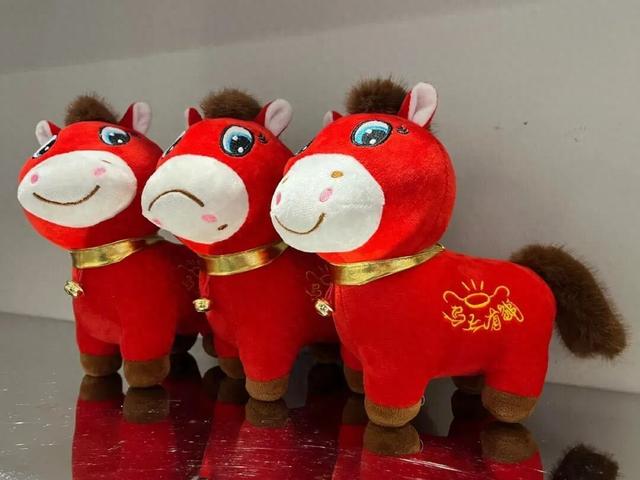
“哭哭马”走红:“不完美”也有力量,“有瑕疵”亦能成功
Xin Lang Cai Jing· 2026-01-24 05:12
Core Viewpoint - The "crying horse" toy has unexpectedly gained popularity, reflecting a shift in consumer preferences towards imperfect and unique designs that resonate emotionally with individuals [1][3]. Group 1: Emotional Resonance - The "crying horse" serves as an emotional container, allowing consumers to express their acceptance of imperfection and their own vulnerabilities [3][4]. - This toy's appeal lies in its ability to evoke feelings of empathy and connection, as it mirrors the complexities of human emotions [3][4]. Group 2: Cultural and Market Trends - The rise of "ugly-cute" designs in contemporary cultural products indicates a departure from traditional aesthetics, appealing to younger consumers who value authenticity over perfection [3][4]. - The success of the "crying horse" illustrates a broader trend in the cultural and creative industry, where products are not just functional but also serve as mediums for self-expression and social interaction [3][4]. Group 3: Resilience Concept - The term "resilience" has been chosen as the word of the year for 2025, symbolizing adaptability and strength, which the "crying horse" embodies through its design and market success [4]. - The transformation of a flawed product into a bestseller highlights the industry's ability to respond flexibly to consumer needs and market dynamics [4].

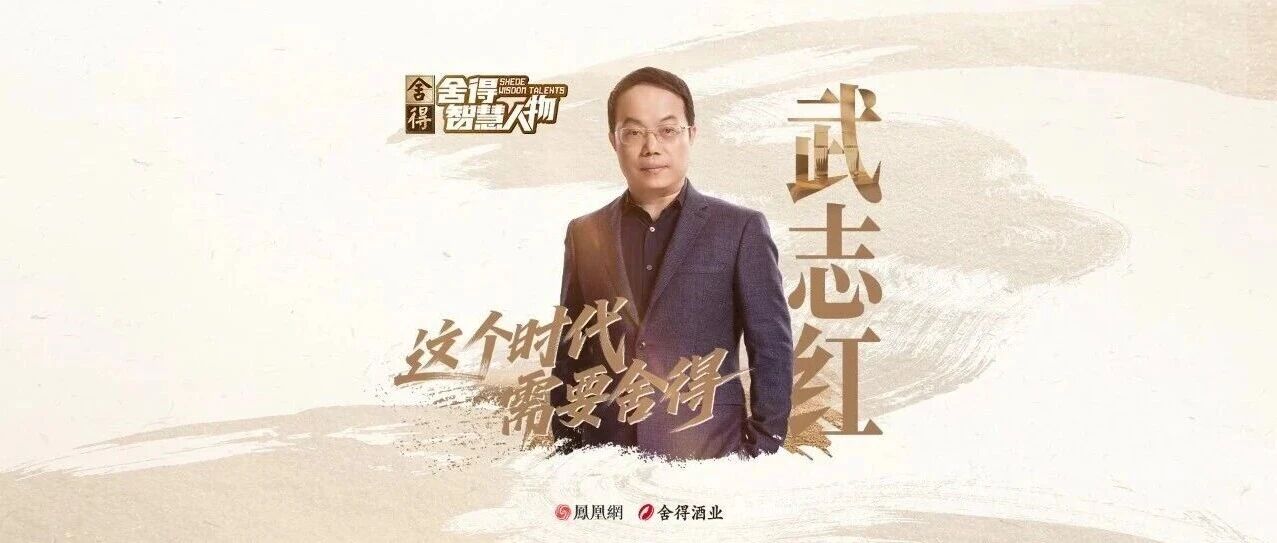
武志红:体验先于思维,感受高于评判
凤凰网财经· 2025-12-14 12:51
Core Viewpoint - The article discusses the internal conflict many individuals face, characterized by self-criticism and the struggle for self-acceptance, particularly in the context of societal pressures and personal expectations [1][4]. Group 1: Self-Criticism and Internal Conflict - The relationship between the mind and body is likened to a "tyrant and slave," where the mind harshly criticizes the body for perceived failures, leading to shame and pain [5]. - This internal struggle often stems from a mindset of "omnipotent narcissism," where only results matter, neglecting the body's feelings and experiences [5]. - Acknowledging that reality does not conform to one's idealized self-image is the first step towards self-acceptance and reconciliation with oneself [8]. Group 2: Societal Pressures and Individual Choices - The article highlights the dichotomy between striving for success ("卷") and opting for a laid-back lifestyle ("躺平"), suggesting that both stem from societal expectations of a singular way of living [8]. - It emphasizes the importance of finding a personal way of living that allows for authenticity and responsibility towards one's life [8]. - The common familial dynamic where children feel pressured to meet parental expectations can lead to a loss of self, and breaking free from this cycle requires courage and self-assertion [10]. Group 3: Mindfulness and Presence - In a fast-paced world, the article advocates for a philosophy of focusing on the present and forming deep connections with current experiences [12]. - A personal anecdote illustrates that respecting one's own feelings and prioritizing well-being can lead to better outcomes than succumbing to external pressures [12]. - The concept of "flow," where one is fully immersed in an experience, is presented as a more valuable pursuit than external achievements [12]. Group 4: Self-Acceptance and Growth - True growth involves the courage to maintain independence in relationships while being true to oneself [11]. - The article suggests starting with small, everyday decisions to assert one's identity without hostility, fostering both self-loyalty and long-term relational responsibility [11]. - Understanding oneself is framed as a crucial skill for navigating the complexities of modern life, emphasizing a holistic approach to existence [15].
一个脱离坏情绪的方法:先崩溃
洞见· 2025-10-26 12:20
Core Viewpoint - The article emphasizes the importance of allowing oneself to experience and express emotions, rather than suppressing them, as a means of achieving emotional well-being and personal growth [4][10][36]. Group 1: Emotional Suppression and Its Consequences - Modern individuals often feel pressured to maintain emotional stability, which can lead to a facade of strength while internally struggling [5][8]. - The narrative of a character from a popular drama illustrates the struggles of working mothers who face emotional and professional challenges, ultimately leading to a breaking point [9][20]. - The article argues that suppressing emotions can lead to a more intense emotional backlash, highlighting the need to confront and express feelings [10][12]. Group 2: The Importance of Emotional Release - Allowing oneself to "crash" emotionally is framed as a courageous act, enabling individuals to confront their vulnerabilities [12][36]. - The article suggests that emotional release is essential for mental health, comparing emotions to water that needs an outlet to prevent overflow [25][26]. - It encourages readers to recognize that emotions are not enemies but signals for personal growth and understanding [30][35]. Group 3: Strategies for Emotional Self-Help - The article outlines three strategies for reconciling with emotions: pausing to reflect, allowing emotional expression, and deciphering the underlying messages of emotions [31][32][33]. - Taking a moment to pause during emotional turmoil can help regain composure and clarity [31]. - Expressing emotions freely, whether through crying or writing, is presented as a healthy way to process feelings [32]. - Understanding the deeper meanings behind emotions can guide individuals toward healing and personal development [33].