
世界主义

Search documents
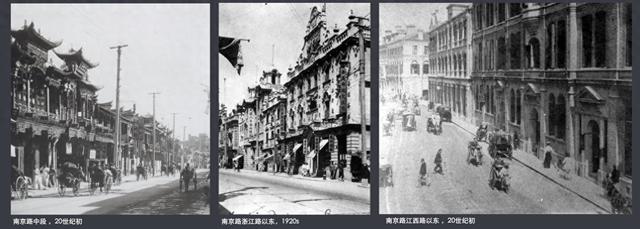
十里洋场“造梦机”:近代上海百货公司与南京路的景观
Xin Lang Cai Jing· 2025-12-20 06:57
Core Concept - The article discusses the transformation of Nanjing Road in early 20th century Shanghai, driven by the rise of four major Chinese department stores: Sincere, Wing On, Sun Sun, and Taikoo. These stores acted as "dream machines," creating a collective fantasy of modernity through strategic capital operations, architectural practices, and cultural coding [1][2]. Group 1: Department Stores as "Dream Machines" - The focus on department stores is justified as they are pivotal in understanding Shanghai's modernity and urban culture, integrating capital, goods, space, and desires [1][2]. - The metaphor of "dream machines" highlights how department stores manufactured and showcased the dream of modernity, transforming abstract concepts into tangible goods and experiences [2]. Group 2: Spatial Positioning and Commercial Restructuring - Before the emergence of department stores, Nanjing Road was already a commercial hub, but its core was concentrated in the eastern section. The arrival of department stores shifted this focus westward, creating a new commercial geography [2][4]. - The founders of Sincere and Wing On strategically positioned their stores in a prime location, leading to a competitive landscape that established a high-density "scenic consumption belt" along Nanjing Road [4][5]. Group 3: Architectural Aesthetics and Modernization - The architectural styles of the four department stores, characterized by eclecticism, symbolized power and modernity, reshaping the urban skyline and breaking traditional spatial scales [6][10]. - The illumination of these buildings at night transformed Nanjing Road into a vibrant "city that never sleeps," enhancing the consumerist atmosphere [6][10]. Group 4: Consumer Practices and Urban Experience - The department stores transcended mere shopping, offering a multifaceted modern lifestyle experience, including dining, entertainment, and accommodation, thus becoming essential public spaces in Shanghai [10][11]. - The marketing of fashion and lifestyle products in these stores played a crucial role in shaping modern identities, linking consumption with social status and personal identity [11][12]. Group 5: Legacy and Contemporary Impact - The legacy of these department stores continues to influence the character of modern Shanghai, with contemporary shopping venues still reflecting the consumerist and modernist ethos established during that era [13].

许知远:描述世界令人兴奋,亦心力交瘁 | 我们的四分之一世纪
Jing Ji Guan Cha Bao· 2025-12-17 11:03
Core Insights - The article discusses the evolution of Xu Zhiyuan's thoughts and practices over the past 25 years, emphasizing the importance of time and context in shaping ideas and beliefs [4][5][9] - It highlights the shift from being an observer to a practitioner, reflecting on the need for deeper engagement with contemporary issues and personal experiences [5][8][10] Group 1: Time and Context - Xu emphasizes the power of time and how ideas are embedded in specific historical contexts, questioning how contemporary Chinese perspectives should evolve [5][6] - The transition from a media-centric approach to a more practical engagement with society is noted, as Xu seeks to connect personal beliefs with the realities of modern life [5][8] Group 2: Media and Public Engagement - The establishment of "One Way Street Library" and the subsequent success of the interview program "13 Invitations" illustrate Xu's journey from a media figure to a public intellectual [6][7] - The program's evolution from elite-focused content to a broader appeal reflects changes in societal discourse and Xu's desire to understand diverse life experiences [7][8] Group 3: Knowledge and Identity - Xu observes a fundamental shift in the role of intellectuals, noting their marginalization in favor of commercial and technological leaders, which has led to a fragmented societal structure [13][14] - He encourages the younger generation to seek unique personal experiences and form small communities to solidify their values amidst increasing organizational control [14][15] Group 4: Historical Reflection and Future Aspirations - Xu's writing on historical figures like Liang Qichao represents a deep dive into the past, aiming to counteract the superficiality often found in modern media [10][11] - His ongoing writing projects reflect a commitment to exploring complex narratives and maintaining a critical perspective on contemporary issues [16]