世界大同

Search documents
李大钊与中华传统文化研究
Xin Lang Cai Jing· 2025-12-20 01:36
Group 1 - Li Dazhao held a high regard for traditional Chinese culture, recognizing its significant contributions to world civilization and expressing confidence in the revival of the Chinese nation [2] - He actively participated in the New Culture Movement, critically addressing Confucianism while valuing the wisdom and heritage of traditional culture, seeking a balance between criticism and inheritance [3] - Li Dazhao emphasized the importance of culture in the rise and fall of nations, maintaining a rational approach to traditional culture throughout his life [3] Group 2 - Li Dazhao categorized Western and Eastern civilizations as "dynamic" and "static," advocating for a synthesis of both to create a "third civilization" that transcends the limitations of each [4][5] - He believed that the integration of Western cultural strengths with traditional Chinese culture was essential for addressing the cultural crisis in modern China [5] - His advocacy for the "third civilization" involved a critical reflection on both Eastern and Western cultures, aiming to adapt and innovate Chinese culture in the context of global civilization [5] Group 3 - Traditional Chinese culture played a crucial role in shaping Li Dazhao's noble character and moral integrity, reflecting the virtues of the Chinese nation [7] - He internalized the essence of traditional cultural classics, promoting ideals such as "world harmony" and "people-centered" governance, which influenced his social and political views [8] - Li Dazhao's commitment to social issues and the welfare of the people was evident in his writings and speeches, emphasizing the importance of addressing public concerns [8][9] Group 4 - Li Dazhao exemplified the traditional virtues of the Chinese nation through his disciplined lifestyle and moral integrity, advocating for a life of simplicity and righteousness [9] - He was a member of the Jinde Society, promoting new moral standards while adhering to principles of integrity and self-discipline [9] - His pursuit of a noble character and dedication to public service reflect the enduring influence of traditional Chinese values on his life and work [9]
通往国际舞台之路:清政府与万国公会的交往
Xin Lang Cai Jing· 2025-05-16 03:54
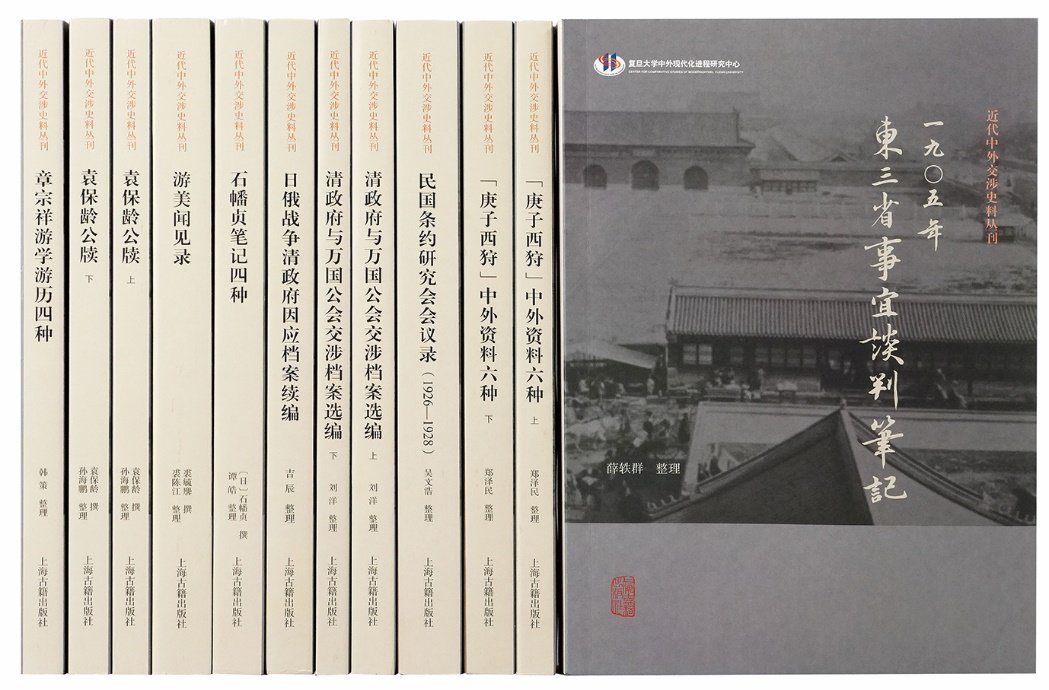
Core Viewpoint - The recent publication of the second volume of "Modern Sino-Foreign Negotiation Historical Materials" by Fudan University highlights the importance of understanding the historical interactions between the Qing government and international conferences, particularly the International Congresses, as a means for China to engage with the global stage [1][3]. Group 1: Historical Context - The Qing government's interactions with the International Congresses during the late Qing period are crucial for understanding China's entry into the international arena, yet scholarly attention has been limited due to perceived insignificance compared to the Republican era [3][6]. - The publication aims to bridge the gap in historical documentation and analysis, providing insights into the complexities of China's diplomatic history [1][3]. Group 2: Development of International Congresses - The rise of international congresses in the 19th century was facilitated by technological advancements from the Industrial Revolution, which allowed for easier communication and travel [11]. - The establishment of permanent diplomatic missions in Western countries also contributed to more stable international relations, enabling participation in these congresses [11]. Group 3: Qing Government's Participation - The Qing government initially approached participation in international congresses with caution, often viewing them as potential threats to sovereignty and internal affairs [24][25]. - Despite this, there was a gradual increase in participation, with the Qing government attending various congresses related to public health, postal services, and trade regulations [29][30]. Group 4: Key International Congresses - The "International Prison Congress," "International Customs Tariff Bureau," "International Railway Congress," "International Navigation Congress," "Universal Postal Congress," and "International Telecommunication Union" are highlighted as significant organizations that the Qing government engaged with [15][16][17][18]. - Each of these congresses played a role in shaping international standards and practices that the Qing government sought to align with, reflecting a shift towards more proactive engagement in international affairs [29][30]. Group 5: Impact on Domestic Reforms - Participation in international congresses began to intertwine with domestic reforms, as the Qing government recognized the importance of adopting international standards to improve its governance and international standing [30]. - The involvement in these congresses was seen as a way to modernize and reform various sectors within China, including agriculture, education, and public health [30].