中华传统文化

Search documents
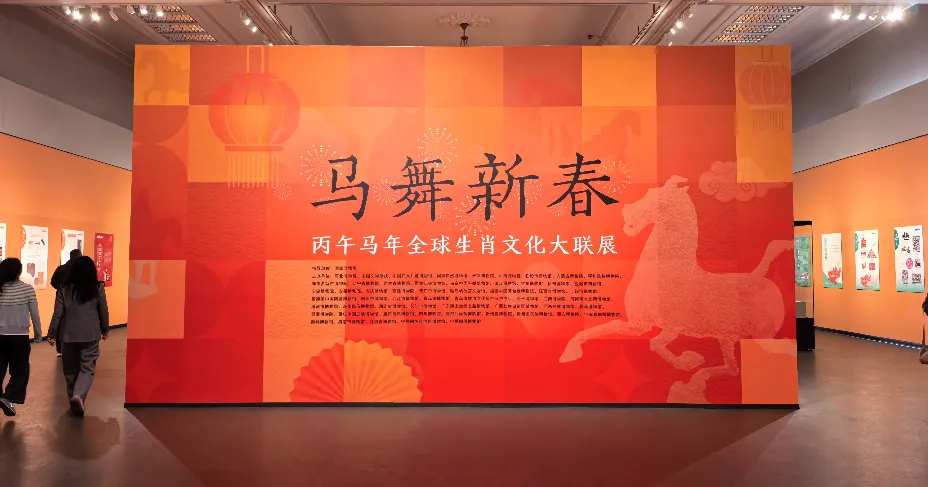
马舞新春续文脉 博物馆里过大年
Xin Lang Cai Jing· 2026-02-26 11:30
Core Viewpoint - The article highlights the significant increase in visitor numbers at museums across China during the Spring Festival, emphasizing the cultural importance of celebrating the New Year in museums through various exhibitions and interactive experiences that connect the public with traditional Chinese culture [1][2]. Group 1: Special Exhibitions - Museums across the country focused on high-quality exhibitions centered around the "horse" theme, showcasing the vitality of zodiac culture and allowing visitors to understand history and civilization through artifacts [2]. - The National Museum of China featured the "Galloping Horse" exhibition, displaying significant artifacts like a tri-colored glazed horse and the "Eighteen Steeds" scroll, which illustrate the deep cultural connection to horses in Chinese history [2]. - The Palace Museum launched an online exhibition featuring horse-themed artifacts, allowing audiences to explore the cultural significance of horses from the Ming and Qing dynasties [2][4]. Group 2: Interactive Experiences - Various museums offered hands-on activities, such as the "Horse Year Inlay Painting Experience" at the Shanghai Museum, where children created art inspired by traditional techniques, enhancing engagement with cultural heritage [6][8]. - The China Science and Technology Museum combined science education with festive activities, allowing children to learn physics through games while celebrating the New Year [7]. - The Inner Mongolia Museum hosted numerous cultural activities, including performances and interactive experiences, to immerse visitors in local traditions during the holiday [7]. Group 3: Cross-Regional Collaboration - Museums in the Beijing-Tianjin-Hebei region collaborated to create a cultural feast, featuring horse-themed collections and live-streamed events to connect audiences across different locations [10]. - The Palace Museum partnered with the Zhejiang Provincial Museum to present an exhibition on the history of the imperial examination system, showcasing the cultural achievements of scholars [10]. - Over 200 museums in Zhejiang province organized a large number of exhibitions and traditional activities, promoting a shared cultural atmosphere during the New Year [10]. Group 4: International Engagement - The Sydney Chinese Cultural Centre and other organizations hosted a "Happy Spring Festival" event, attracting over 2,000 participants to experience Chinese New Year traditions, highlighting the importance of cultural exchange [11]. - The event featured activities such as traditional games and calligraphy, allowing overseas audiences to engage with Chinese culture in a festive setting [11]. Group 5: Overall Impact - The diverse range of exhibitions and activities during the Spring Festival not only enriched the cultural experience for visitors but also demonstrated the vitality of traditional Chinese culture, making museums a central part of the New Year celebrations [1][11].

“一家人能够团聚,就是最好的‘年味’”
Ren Min Ri Bao Hai Wai Ban· 2026-02-23 22:56
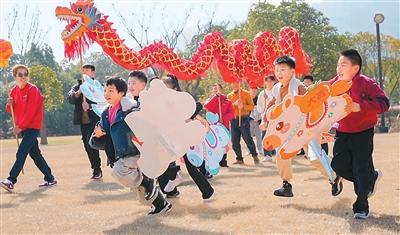
Group 1 - The article highlights the celebration of the Lunar New Year by Taiwanese compatriots in mainland China, emphasizing the cultural integration and familial bonds between the two sides [6][9][10] - In Suzhou, nearly 100 members of cross-strait marriage families participated in traditional activities such as dragon and lion dances, showcasing the vibrant cultural exchange [7][11] - The article notes that Suzhou is a key city for cross-strait economic and cultural exchanges, with approximately 150,000 Taiwanese residents and over 4,000 cross-strait marriage families [7][12] Group 2 - The article describes various community activities in Fuzhou, where over 300 households of Taiwanese residents gathered for a communal meal, blending Taiwanese and local cuisines [9][10] - Taiwanese individuals living in mainland cities expressed their experiences of cultural immersion and the warmth of family reunions during the New Year celebrations [8][10] - The article emphasizes the desire of Taiwanese residents to actively participate in cross-strait integration and cultural exchange, fostering a sense of belonging and community [11][12]
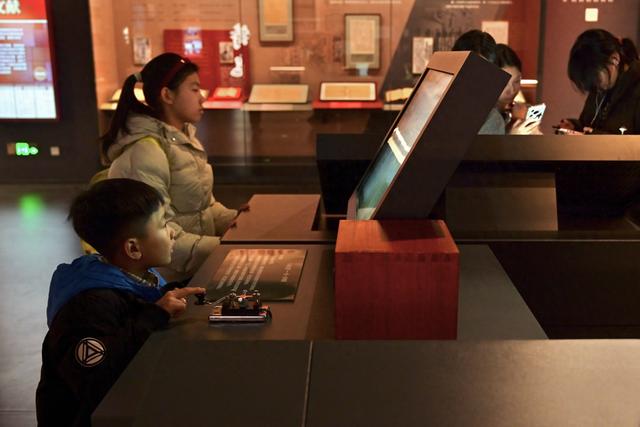
博物馆里写“家书”,见字如面传真情
Xin Lang Cai Jing· 2026-02-23 08:22
Group 1 - The "National Awakening" exhibition area features interactive displays that allow visitors to engage with history through hands-on activities, such as writing letters and sending Morse code messages [2][3] - Visitors can customize their letters and telegrams, reflecting on the significance of traditional communication methods compared to modern digital interactions [2] - The exhibition aims to create a dialogue between history and the present, making historical narratives accessible and relatable to the audience [3] Group 2 - During the Spring Festival, the museum hosted several themed lectures by archaeologists, combining expert explanations with interactive Q&A sessions to deepen the audience's understanding of traditional Chinese culture and archaeology [5] - Daily screenings of the documentary series "Searching Ancient China" were well-attended, indicating a strong interest in cultural experiences among visitors during the holiday [5]
裘派花脸名家安平领衔唱响多伦多“欢乐春节”海外戏曲春晚
Xin Lang Cai Jing· 2026-02-23 02:13
Core Viewpoint - The 2026 "Happy Spring Festival" overseas opera gala in Toronto showcased the unique charm of Chinese opera, promoting traditional Chinese culture and enhancing Sino-Canadian relations through cultural exchange [1][2]. Group 1: Event Overview - The gala took place on February 15 in Toronto, attended by over 600 guests from various sectors [1]. - The event featured renowned Peking opera artist An Ping from the Shanghai Peking Opera Theatre, who performed selections from notable operas such as "Chi Sang Town," "Yao Qi," and "The Zhao Family Orphans" [1]. - Local artists and enthusiasts participated, presenting a variety of performances including Peking opera, Yue opera, Huangmei opera, and innovative programs like rock Peking opera and martial arts [1]. Group 2: Cultural Significance - The event was themed "Peace and Development, Integrity and Innovation," aiming to celebrate the beauty of Chinese opera and foster Sino-Canadian friendship [2]. - Canadian Prime Minister Carney sent a congratulatory letter, highlighting the event's role in promoting traditional Chinese culture and serving as a New Year gift for the Chinese community in Canada [2]. - The Consul General of China in Toronto, Luo Weidong, emphasized the event's significance in showcasing the unique charm of Chinese opera and enhancing cultural exchanges between China and Canada [2].
文博日历丨这对年画祝你喜气盈门
Xin Lang Cai Jing· 2026-02-20 22:46
Core Viewpoint - The article highlights the significance of traditional Chinese New Year customs, particularly the practice of displaying New Year paintings, and promotes a series of museum activities celebrating these traditions during the festive period [1]. Group 1: New Year Paintings - New Year paintings are an essential part of Chinese culture, symbolizing the welcoming of the new year and the dispelling of evil [8]. - The history of New Year paintings dates back to ancient times, with references to "door god paintings" in the Han Dynasty [8]. - By the Northern Song Dynasty, New Year paintings had formally developed, becoming a popular custom during the New Year celebrations [9]. Group 2: Development of Yangzhou Woodblock New Year Paintings - Yangzhou woodblock New Year paintings emerged in the mid-Ming Dynasty, benefiting from the flourishing of printing techniques and the local book industry [9]. - The unique characteristics of Yangzhou woodblock paintings have made them a representative form of folk art in the region [9]. - The article mentions upcoming events at the Yangzhou Museum, including a woodblock printing experience and various exhibitions related to the New Year [10].
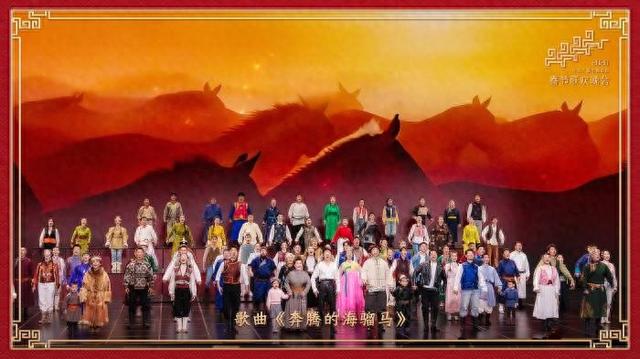
(文化中国行)总导演于蕾:解码总台马年春晚
Xin Lang Cai Jing· 2026-02-17 09:08
Core Perspective - The 2026 Spring Festival Gala by the Central Radio and Television Station aims to blend cultural heritage with technological innovation, creating a new meaning for the traditional celebration [1]. Group 1: Cultural Themes - The theme for the 2026 Spring Festival Gala is "The Galloping Steed, Unstoppable Force," symbolizing the spirit of perseverance and progress inherent in Chinese culture [1]. - The representation of the horse in the gala serves as a multifaceted symbol of loyalty, bravery, resilience, and freedom, guiding the creative direction of the event [1]. Group 2: Artistic Presentation - The gala will feature a variety of artistic forms, including dance, songs, and creative shows, showcasing a grand visual narrative of "Galloping Horses" [3]. - The program "New Year’s Voice" combines classical music with street dance and ballet, illustrating the harmony of elegance and humor in the New Year celebration [3]. Group 3: Technological Integration - The use of advanced visual technology and AI in performances like "The Twelve Flower Gods" enhances the artistic experience, merging traditional narratives with modern aesthetics [5]. - Robotics technology will play a significant role in the gala, providing dynamic interactions and enriching the stage aesthetics, building on the success of previous years [5]. Group 4: Emotional Resonance - The gala aims to evoke emotional connections and resonate with audiences through relatable themes and narratives, ensuring that the performances reflect the warmth of contemporary life [3][5]. - The goal is for the 2026 gala to be remembered not just for its entertainment value but for the warmth and memories it creates for future generations [6].
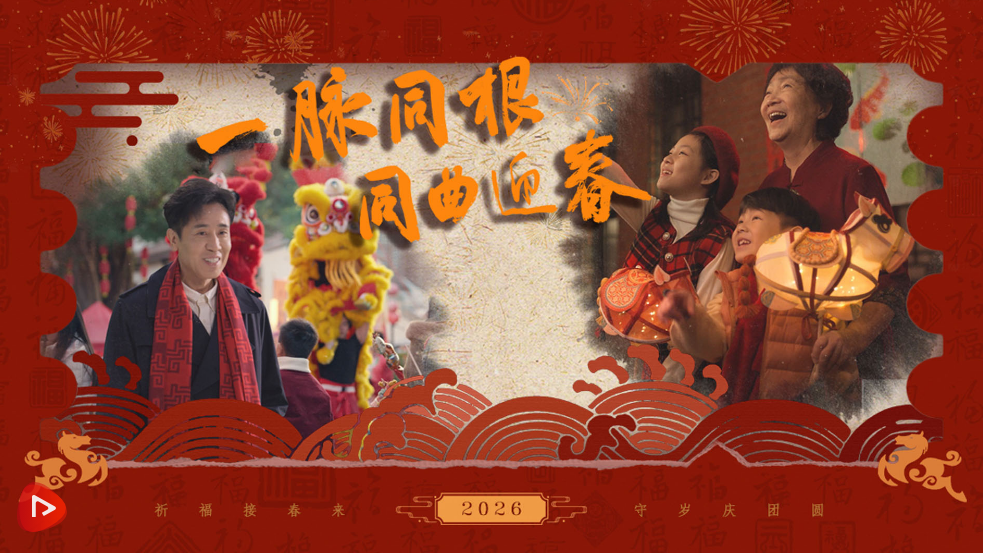
同曲迎春 - 西部网(陕西新闻网)
Xin Lang Cai Jing· 2026-02-17 06:58
Core Perspective - The 2026 Spring Festival public service advertisement "Same Tune Welcoming Spring" emphasizes the cultural resonance between Fujian and Taiwan, showcasing shared traditions and familial connections through the medium of traditional Taiwanese opera, Gezi Xi [3][4]. Cultural Significance - The advertisement highlights the intertwined cultural roots of Fujian and Taiwan, symbolized as a pair of lotus flowers sharing the same essence, reflecting a deep cultural bond and shared memories among the people [3][4]. - The commonality in culinary traditions, such as the preparation of rice cakes, signifies a shared hope for prosperity and family well-being across the strait [8][17]. Artistic Collaboration - A collaborative team from both sides of the strait was formed to create the advertisement, featuring on-site filming in Fujian and Taiwan, capturing authentic scenes of the Spring Festival celebrations [4][6]. - The involvement of Taiwanese director Lin Zhihong, who discovered his ancestral roots during the filming, adds a personal dimension to the project, reinforcing the theme of cultural continuity [16]. Emotional Resonance - The advertisement aims to evoke a sense of emotional connection and cultural synchronization between the two regions, portraying scenes of family gatherings and shared traditions that transcend geographical boundaries [13][17]. - The use of traditional music and visuals in the advertisement serves to reinforce the collective memory and cultural identity of the people from both regions [7][10]. Symbolism and Tradition - The imagery of lanterns and the symbolism of flowers in the advertisement represent auspiciousness and the beauty of shared cultural heritage, emphasizing the importance of these elements in the celebration of the Spring Festival [10][11]. - The portrayal of real families celebrating the New Year in both regions underscores the authenticity of the cultural practices and the continuity of traditions across generations [17].
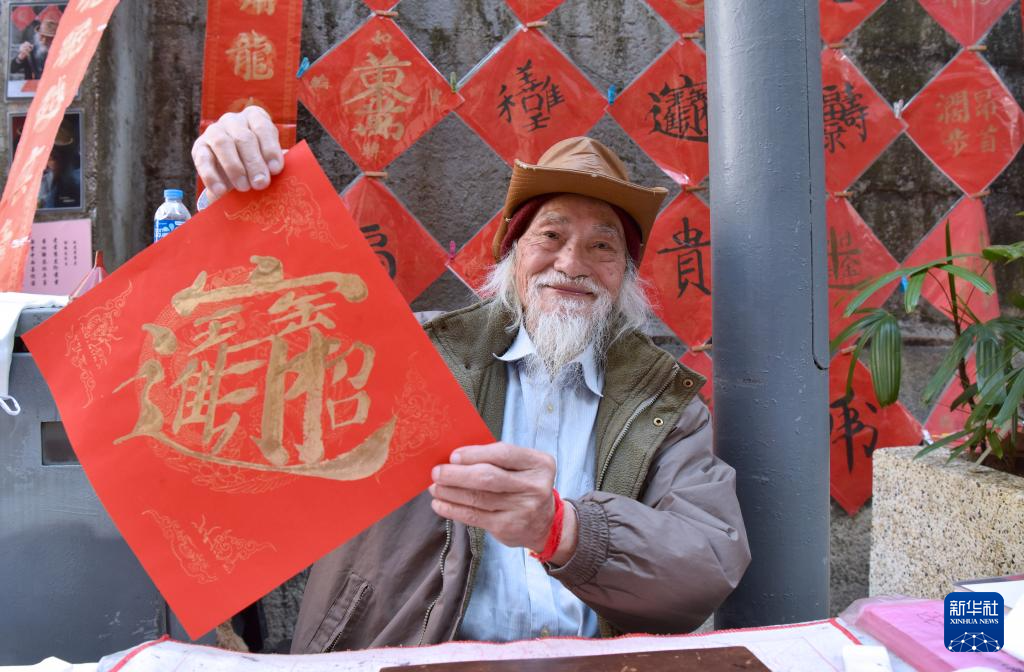
香港故事丨红笺墨韵 香江年味
Xin Hua Wang· 2026-02-17 01:18
Group 1 - The article highlights the vibrant cultural atmosphere of Hong Kong's Ladder Street during the Lunar New Year, showcasing traditional practices such as calligraphy and the creation of "couplets" [1][12] - The street is described as a historical site, with its unique architecture and the presence of local artisans contributing to the festive spirit [1][10] - The interaction between local artists and visitors, including foreigners, emphasizes the cultural exchange and appreciation of Chinese traditions [6][12] Group 2 - Notable figures such as 89-year-old Guo Tenglong are featured, who creatively combines traditional calligraphy with innovative designs to attract interest in Chinese culture [2][4] - The article mentions the collaborative efforts of families, such as the Xiao family, in running calligraphy stalls, which have become landmarks for the New Year celebrations [8][10] - The younger generation, represented by Xiao Yingyan, is actively involved in promoting calligraphy, blending traditional art with modern elements to engage a wider audience [13][15]
同曲迎春
Yang Shi Wang· 2026-02-17 00:09
Core Viewpoint - The 2026 Spring Festival public service advertisement "Same Tune Welcoming Spring" emphasizes the cultural resonance between Fujian and Taiwan, showcasing shared traditions and familial connections through the medium of traditional Taiwanese opera, Gezi Xi [2][3]. Group 1: Cultural Significance - The advertisement highlights the deep-rooted cultural ties between Fujian and Taiwan, likening their shared traditions to a pair of lotus flowers that bloom together, symbolizing unity and common heritage [2][3]. - The portrayal of traditional practices, such as family gatherings and culinary similarities, reinforces the notion of a shared cultural identity among the people of both regions [2][9]. Group 2: Artistic Collaboration - A collaborative effort between teams from both sides of the Taiwan Strait resulted in the advertisement, with filming taking place in Fujian and Taiwan to authentically capture the festive spirit [3][14]. - The involvement of Taiwanese director Lin Zhihong, who has personal ties to the region, adds a layer of authenticity and emotional depth to the project, as he connects with his ancestral roots during the filming process [18][19]. Group 3: Traditional Elements - The advertisement features traditional elements such as the Gezi Xi performance, which serves as a cultural symbol and a means of connecting individual memories with collective cultural heritage [2][7]. - The use of familiar culinary items, like the steamed rice cakes (发糕), illustrates the shared hopes for prosperity and family well-being across the strait [9][11]. Group 4: Emotional Resonance - The advertisement captures genuine moments of celebration and familial bonds, showcasing real families from both regions as they prepare for the New Year, emphasizing the authenticity of their experiences [19][14]. - The visual narrative of shared rituals, such as family dinners and festive preparations, conveys a sense of emotional unity and cultural continuity between the two regions [14][19].
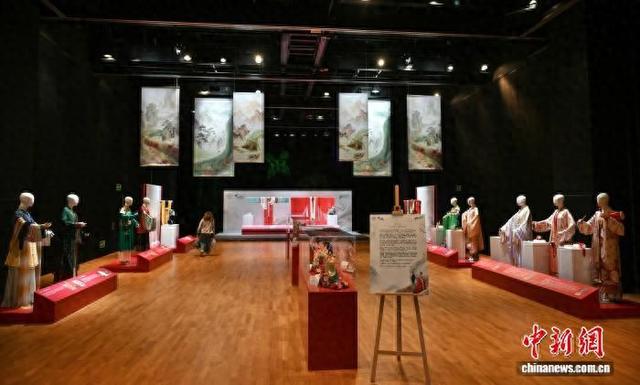
香港“汉服复原文化展” 展现中华传统文化魅力
Xin Lang Cai Jing· 2026-02-13 13:10
Group 1 - The "Daya Qianian: Hanfu Restoration Cultural Exhibition" is being held at the Youth Square in Chai Wan, Hong Kong, showcasing restored Hanfu and accessories based on historical documents [2][4] - The exhibition also features Beijing silk figurines themed around mythology, highlighting the unique charm of traditional Chinese culture and art [2][6] - The event aims to promote awareness and appreciation of Hanfu and traditional Chinese aesthetics among the public [2][8]