冻柿子

Search documents
赶大集丨走,赶一场东北大集!
Xin Lang Cai Jing· 2026-02-08 05:05
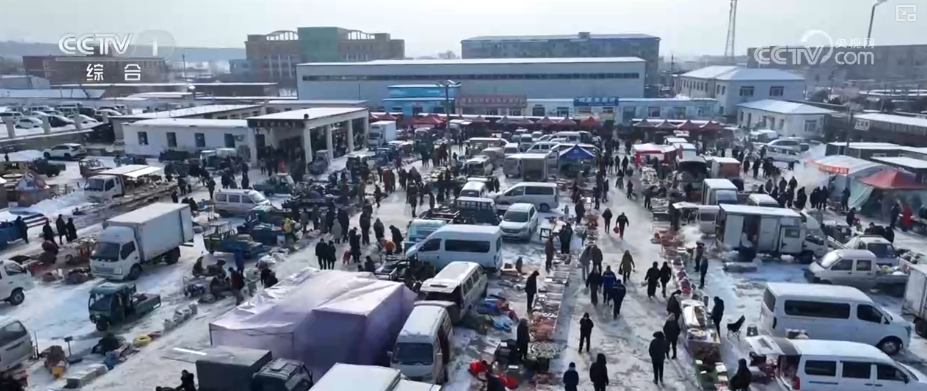
Core Viewpoint - The article highlights the vibrant atmosphere of the Yongxing Agricultural Market in Changchun, Jilin Province, showcasing it as a cultural and culinary hub for both locals and tourists during the pre-Spring Festival period. Group 1: Market Characteristics - The Yongxing Agricultural Market is a traditional gathering place for locals, bustling with activity as early as dawn, featuring a wide array of goods and lively interactions among vendors and customers [1][3]. - Frozen goods, particularly frozen fish, pears, and dumplings, are highlighted as the market's signature offerings, reflecting the local preference for durable and stable food options during winter [3][6]. - The market attracts nearly 20,000 visitors daily, with peak times reaching up to 30,000, indicating its popularity as a destination for both daily shopping and cultural experiences [9]. Group 2: Culinary Experience - The market offers a variety of authentic northeastern breakfast options, with prices for a satisfying meal being under 10 yuan, making it an affordable choice for young people and tourists [8]. - The presence of food stalls serving traditional breakfast items creates a lively atmosphere, with customers enjoying their meals on-site or taking them to go, contributing to the market's vibrant social scene [6][8]. - The market not only serves as a shopping destination but also as an immersive experience for visitors, who often share their experiences on social media, enhancing its reputation as a trendy spot [8][9]. Group 3: Management and Organization - The market is well-organized, with clearly defined stalls and pathways, and effective waste management, ensuring a pleasant shopping experience for visitors [11]. - Management personnel actively monitor the market to maintain order and assist both vendors and customers, contributing to a positive environment [11].

新春走基层|列车大集 一路惊喜
Xin Lang Cai Jing· 2026-02-06 21:59
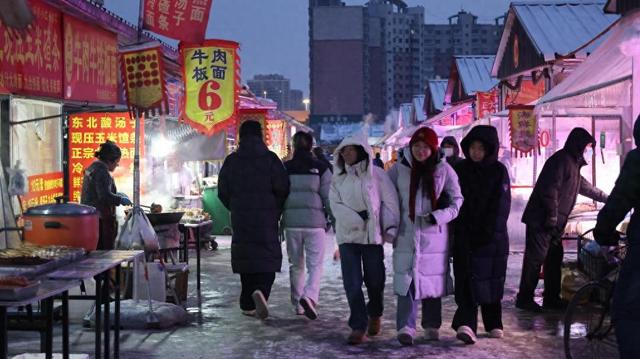
Core Viewpoint - The article highlights the success and evolution of the "Train Market" initiative by the Harbin Railway Bureau, which has transformed train journeys into a vibrant marketplace for local agricultural products and cultural experiences, enhancing community engagement and supporting rural revitalization [3][4][5]. Group 1: Train Market Development - The "Train Market" was initiated to facilitate the sale of local specialties and agricultural products, addressing the challenges faced by rural farmers in selling their goods [3][4]. - Over four years, the market has evolved from a simple setup with a few products to a comprehensive marketplace featuring a variety of goods, including agricultural products, cultural items, and interactive experiences [4]. - The initiative has transitioned from offline sales to a dual model that includes both offline experiences and online live streaming, broadening its reach and impact [4]. Group 2: Community Engagement and Impact - Local farmers and vendors, such as Li Wenhua, have reported positive experiences, noting that the market allows for better promotion and recognition of their products through direct interaction with consumers [5]. - Tourists, like Liu Yang, express delight in discovering local specialties during their travels, indicating that the initiative enhances the overall travel experience and promotes regional products [5]. - The train serves as a vital link between urban and rural areas, acting as a mobile window for rural revitalization and cultural exchange, with plans to further enrich the market's offerings in the future [5][6].
“冰”糖葫芦、“冰糖”葫芦?网友热议东北“冻货”正宗吃法
Xin Lang Cai Jing· 2026-01-30 23:52
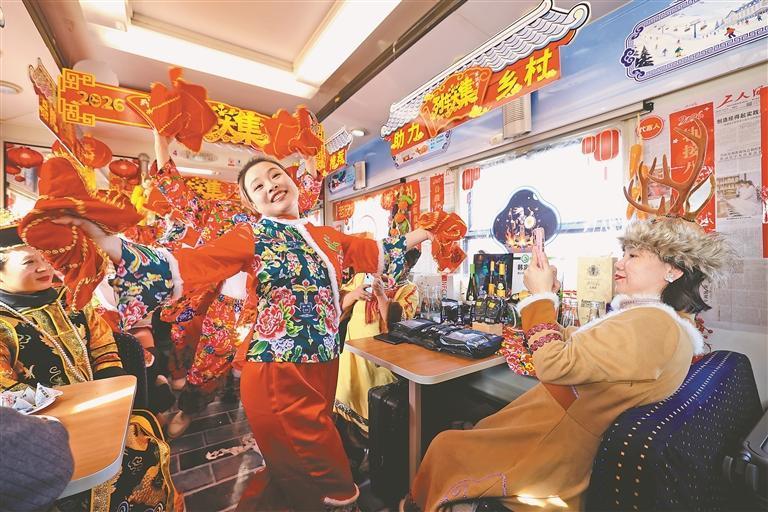
Core Viewpoint - The article discusses the unique food culture in Northeast China, particularly focusing on the winter delicacies like "frozen" snacks, which have sparked interesting discussions among netizens about regional differences in food perception and preparation [1][9]. Group 1: Northeast Food Culture - Many southern netizens shared their experiences of buying "sugar-coated hawthorn" and "frozen pears" in Harbin, expressing disappointment over their freshness, leading to a humorous discussion about regional food differences [1][6]. - In Northeast China, "frozen" sugar-coated hawthorn is considered a common snack, utilizing the natural freezing effect of the cold climate to create a unique texture that resembles ice sand [9][11]. - The traditional sugar-coated hawthorn, known as "tanghulu," varies in name and preparation across different regions, with the Northeast's version being particularly notable for its icy texture [12][14]. Group 2: Frozen Fruits and Snacks - The article highlights the "frozen fruit trio" commonly enjoyed in Northeast winters, which includes frozen pears, frozen persimmons, and frozen hawthorn fruits, enhancing sweetness and extending shelf life [18][20]. - Frozen fruits are not eaten directly; they require a thawing process, referred to as "huān" in Northeast dialect, which results in a crispy ice shell that enhances the eating experience [20]. - The article describes how frozen pears serve as a traditional New Year delicacy, providing a refreshing taste after heavy meals, and emphasizes the unique preparation methods for other frozen fruits like persimmons and hawthorn [20][21]. Group 3: Variety of Frozen Products - Besides frozen fruits, the Northeast region offers a wide array of frozen products, including frozen vegetables, dried goods, tofu, chicken, and fish, which are popular among locals and tourists alike [24][21]. - The availability of these diverse frozen goods reflects the region's adaptation to its cold climate, making it a significant aspect of local culinary culture [24][21].
打卡乐山大集 一站式备齐过年所需
Xin Lang Cai Jing· 2026-01-25 10:00
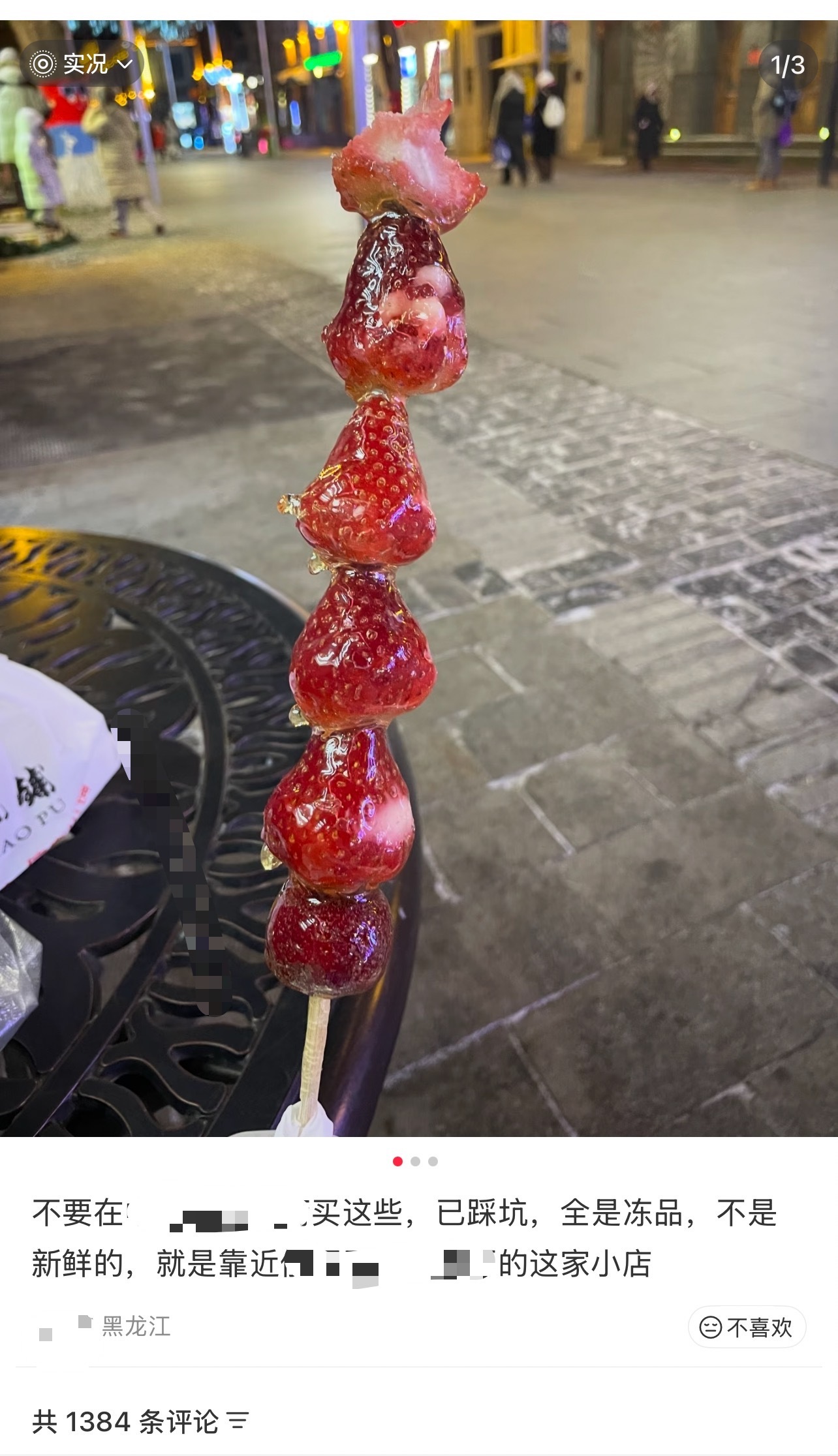
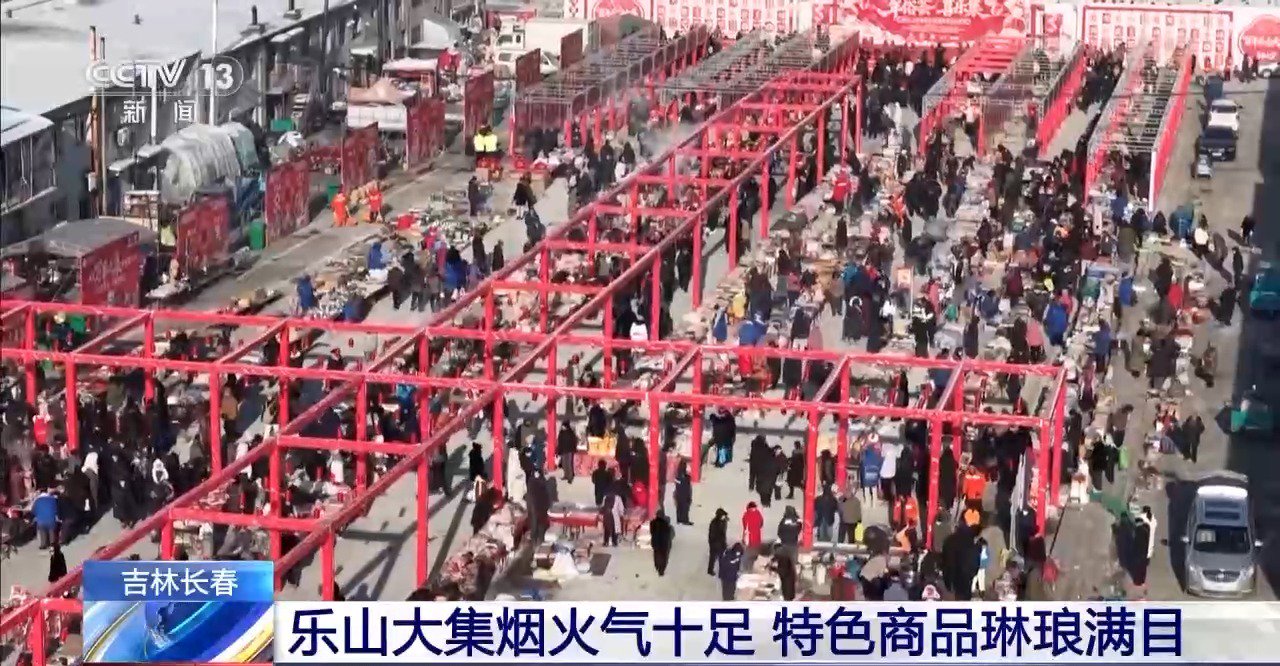
Core Viewpoint - The article highlights the vibrant atmosphere of the Le Shan Market in Changchun, Jilin, as it prepares for the Lunar New Year, showcasing a variety of local products and attracting both locals and tourists [1]. Group 1: Market Overview - The Le Shan Market features over 390 stalls and more than 2,000 types of products, providing a one-stop shop for various New Year necessities, from food to decorations [3]. - The market has become a hub for agricultural and cultural tourism, enhancing its popularity among visitors [1]. Group 2: Food Offerings - The food section of the market offers traditional Northeast delicacies, with vendors reporting significant sales, such as one vendor selling over 600 yuan worth of cornmeal pancakes in the morning [5]. - The market includes a section for fresh poultry and livestock, emphasizing locally raised "native" chickens and pigs, which are preferred by local consumers [7]. Group 3: Specialty Products - The frozen goods section features traditional items like frozen pears and persimmons, which are essential for festive gatherings in Northeast China [9]. - The dried goods area is popular, with local farmers selling homemade dried vegetables, which are both flavorful and long-lasting, contributing to the local economy [11]. Group 4: Modern Integration - The market incorporates modern elements, such as village leaders conducting live-stream sales for local products like rice and soybean oil, enhancing its reach [13]. - The average daily sales at the Le Shan Market have reached 5 million yuan, attracting a diverse range of visitors, including international students [13].
百年大集焕发勃勃生机 “买买买”中品味热闹幸福新年滋味
Yang Shi Wang· 2026-01-25 06:41
Core Viewpoint - The article highlights the vibrant atmosphere of the Le Shan market in Changchun, Jilin, as it prepares for the upcoming Spring Festival, showcasing a variety of local products and attracting both locals and tourists [1][9]. Group 1: Market Overview - The Le Shan market, with a history of over a century, opened on January 25, coinciding with the lunar calendar's seventh day of the twelfth month, and has become a hub for local goods and cultural tourism [1][3]. - The market features over 390 stalls and more than 2,000 types of products, providing a one-stop shopping experience for various New Year necessities, from groceries to festive decorations [3]. Group 2: Food and Cultural Significance - The food section of the market offers traditional Northeast delicacies, such as cornmeal pancakes, with vendors reporting significant sales, indicating strong consumer interest and nostalgia for local flavors [5]. - The market also includes a section for frozen goods, which are essential for festive gatherings, highlighting the region's unique winter climate that preserves these products effectively [7]. Group 3: Economic Impact - The average daily sales at the Le Shan market have reached 5 million yuan, demonstrating its economic vitality and appeal to a diverse range of visitors, including international students [9].
年货大集打造“农文旅融合”亮丽名片 烟火气中“线上+线下”齐享消费盛宴
Yang Shi Wang· 2026-01-25 06:15
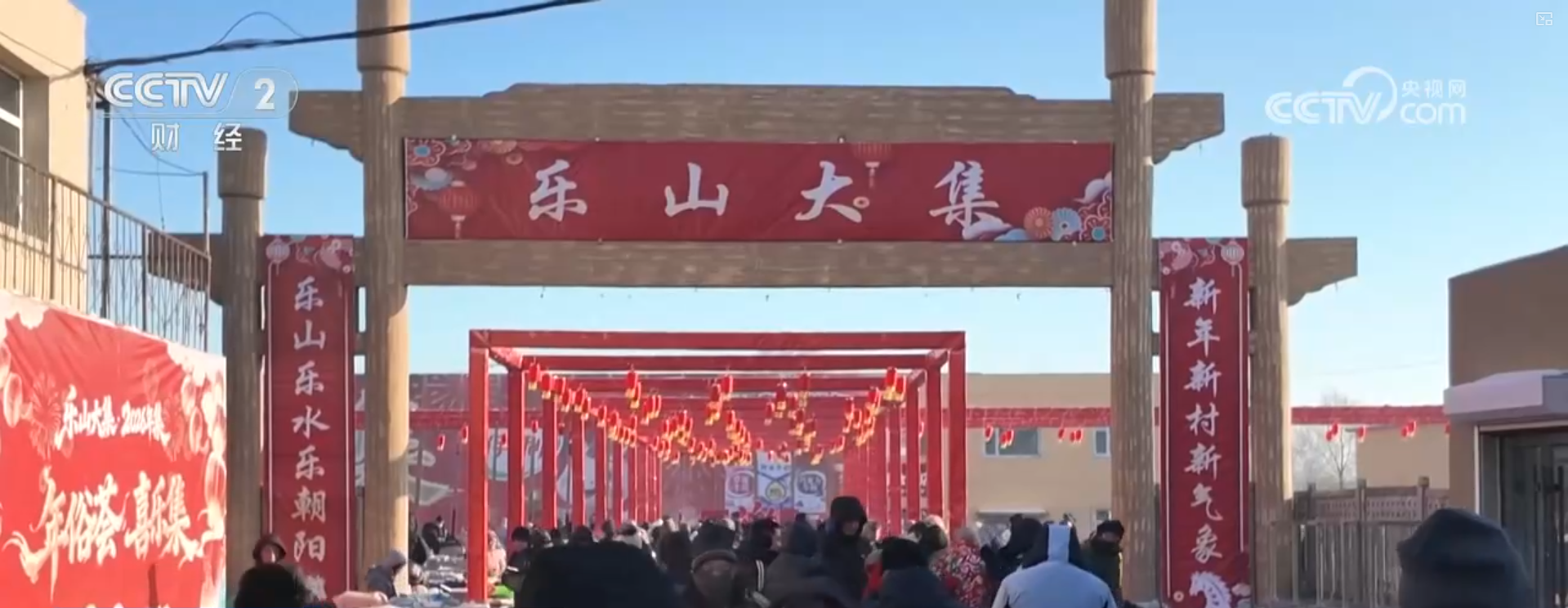
Group 1 - The core event is the traditional market known as Leshan Daji, which has a history of over a hundred years and has become a popular destination for both locals and tourists, especially as the Lunar New Year approaches [3][18] - On January 25, the market featured over 390 stalls and more than 2,000 types of products, providing a one-stop shopping experience for various New Year necessities [5][18] - The market atmosphere is lively, with a significant number of visitors enjoying local delicacies and traditional foods, enhancing the festive spirit [7][18] Group 2 - The market includes a variety of food sections, such as fresh meat and frozen goods, which are popular among local residents who prefer traditionally raised livestock [9][11] - The dried goods section is also bustling, with local farmers selling homemade dried vegetables, contributing to both their income and the preservation of local culinary traditions [14] - Modern elements have been integrated into the market, with village leaders conducting live-streaming sales for local products, showcasing a blend of tradition and innovation [16] Group 3 - In a similar vein, the annual New Year market in Yongfeng, Jiangxi, features over 200 types of local agricultural products, attracting families and showcasing ethnic cultural performances [19][25] - The event has seen significant sales, with online and offline sales exceeding 10 million yuan in a single day, indicating strong market activity and consumer interest [28] - The market not only serves as a shopping venue but also as a cultural experience, emphasizing the importance of local traditions and community engagement [30]
“万物皆可冻”的冰冻美食
Xin Lang Cai Jing· 2026-01-23 20:58
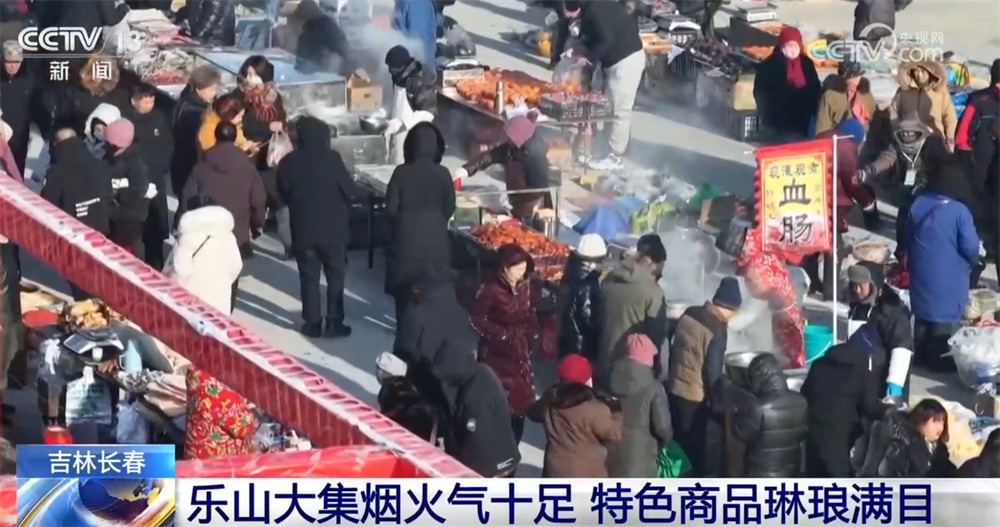
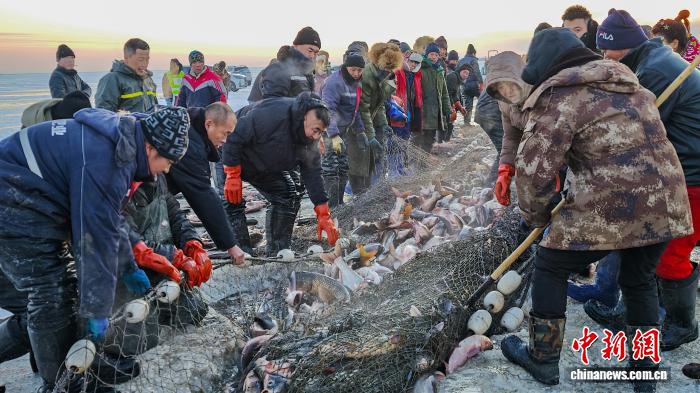
Group 1 - The article highlights the unique cultural and culinary practices of Heilongjiang, emphasizing its vibrant winter activities and local food traditions [4][5][6] - Heilongjiang is known for its diverse frozen foods, including frozen pears, frozen persimmons, and various innovative frozen snacks like candied hawthorn made from fresh fruits [4][5] - The region's culinary scene features distinctive dishes made from frozen ingredients, such as "pulled sugar ice cream" and "fried ice icicles," showcasing a blend of nostalgia and modern culinary creativity [5][6] Group 2 - The article describes the traditional consumption of frozen fish and meat, highlighting unique preparation methods that enhance the flavors and textures of these dishes [6][7] - It notes the historical context of frozen foods in Heilongjiang, where freezing was a necessity during difficult times, leading to a cultural appreciation for these foods [6][7] - The article also mentions the popularity of cold dishes, such as cold noodles and frozen pickled vegetables, which are enjoyed even in harsh winter conditions, contributing to the region's culinary identity [7]
(寻味中华|节令)小寒启年味 食俗聚温情
Zhong Guo Xin Wen Wang· 2026-01-05 03:16
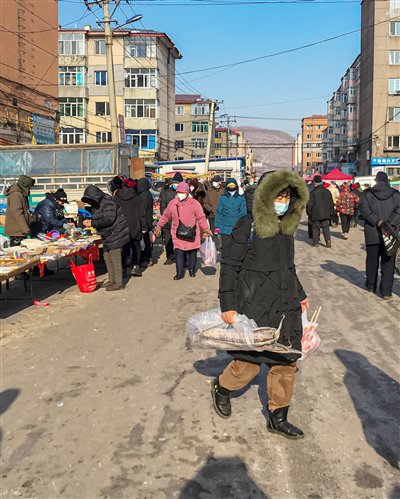
Group 1 - The article highlights the significance of the "Minor Cold" (小寒) solar term in Chinese culture, marking the onset of the coldest period in winter and the approach of the Lunar New Year [1][5] - Various regional food customs are emphasized, with northern China focusing on warming dishes like lamb hot pot and southern China featuring glutinous rice dishes, showcasing the diversity of culinary traditions during this season [1][5] - The tradition of "killing the New Year pig" in northeastern China is described as a central event during Minor Cold, where families prepare a feast to celebrate and share with relatives and neighbors [1][2] Group 2 - The article mentions the winter fishing season in regions like Songhua Lake and Chagan Lake, where fishermen engage in ice fishing, highlighting the cultural and economic importance of this activity [2][3] - The quality of fish caught during Minor Cold is noted, with specific local varieties being favored for their tender meat, indicating a connection between seasonal changes and food quality [3] - The practice of making and storing frozen fruits and vegetables during this period is described as a traditional method of preserving food, reflecting the resourcefulness of northeastern Chinese cuisine [3][5]
“冷”赛道激发产业发展“热”活力 “冰雪+”掀起冬季消费新热潮
Yang Shi Wang· 2025-12-29 07:23
Core Viewpoint - The combination of the "ice and snow economy" and visa-free policies is becoming a key driver for the growth of China's tourism industry, particularly in the winter season of 2025 [7]. Group 1: Ice and Snow Economy Growth - The "ice and snow economy" is thriving in various regions of China, with diverse and personalized experiences being developed [13]. - The introduction of official "snow holidays" in regions like Jilin and Xinjiang encourages students to participate in winter sports, contributing to a winter consumption boom [10]. - The search interest and booking rates for ice and snow travel routes, popular cities, and hotels near ski resorts are rapidly increasing, indicating a surge in demand [10]. Group 2: Visa-Free Policy Impact - The expansion of visa-free arrangements significantly enhances the convenience for international tourists entering China, creating a synergistic effect with the ice and snow tourism [7]. - The increase in foreign tourists is complemented by domestic visitors who are shifting from quick visits to multi-day stays, transforming ice sports into a lifestyle [7]. Group 3: Unique Tourist Experiences - Various regions are innovating unique ice and snow tourism projects, such as ice fishing competitions and immersive experiences like "fog rafting" and "snow house hot pot" [16][21]. - The first ice and snow tourism special train from Harbin to Mohe emphasizes a "slow travel, deep experience" approach, catering to tourists from major urban areas [4][30]. - The special train features themed decorations and offers tailored services for elderly travelers, enhancing the overall travel experience [38].

百年大集“热”出新活力 感受乡村活力、回忆童年时光成为过节新时尚
Yang Shi Wang· 2025-12-29 01:56
Group 1 - The upcoming New Year holiday is driving increased activity in traditional markets across the country, with rural gatherings becoming a new trend for celebrating the festival [1] - The "Hundred-Year Market" in Shenyang is attracting many visitors despite freezing temperatures, showcasing unique ice products such as frozen persimmons, pears, tofu, fish, and pork trotters [7][10] - In Hebei's Nanzuo Market, over 1,800 stalls offer a wide variety of fresh produce, meats, traditional sweets, and handmade crafts, making it a popular destination for locals [15][18] Group 2 - Local authorities are enhancing market management and infrastructure, including new public transport routes to improve access to the Nanzuo Market, contributing to its growing popularity and business success for local vendors [20]