东西方文明交流互鉴

Search documents
“中医药文明复兴高峰对话”在北京举行
Xin Lang Cai Jing· 2025-12-21 11:28
Core Viewpoint - The "Dialogue on the Revival of Traditional Chinese Medicine Civilization" aims to explore the vitality of traditional Chinese culture and promote the creative transformation and innovative development of Chinese culture through a platform for East-West academic and practical exchange [1][3]. Group 1: Event Overview - The dialogue was held on December 21, 2025, in Beijing, continuing the series of "Eastern Civilization Peak Dialogues" [3][5]. - The event was organized by the Mencius Public Welfare Foundation and the Chinese Elderly Culture Exchange Promotion Association [1]. Group 2: Key Themes and Discussions - Participants discussed the relationship between Confucian thought and traditional Chinese medicine (TCM), focusing on concepts like "Harmony with Nature" and "Unity of Heaven and Humanity" [3][5]. - Mencius Public Welfare Foundation Chairman Meng Liang emphasized that both Confucianism and TCM share a common cultural root based on the worldview of "Unity of Heaven and Humanity" and the value of "Benevolence" [3][5]. Group 3: International Perspectives - Former Slovenian President Borut Pahor highlighted that TCM is not just a healing system but a philosophical system that has evolved over thousands of years, deeply intertwined with Chinese traditional culture [3][5]. - Pahor noted that the spread of TCM in the West is a dialogue of civilizations, creating opportunities for mutual understanding and cooperation between East and West [5]. Group 4: Future Initiatives - The event launched the "Organic Authentic Medicinal Material Traceability Action," aimed at enhancing the quality of traditional Chinese medicine through field visits, scientific identification, and ecological protection [7]. - Participants agreed that integrating Confucian thought and TCM with contemporary practices can support the unique life and health perspectives of Chinese civilization and facilitate East-West cultural exchange [7].


波斯文化艺术瑰宝展亮相内蒙古博物院
Xin Lang Cai Jing· 2025-12-20 20:03
Core Viewpoint - The exhibition "Flowing Star River - Treasures of Persian Culture and Art" showcases the rich history and artistic heritage of Persian civilization, bridging the cultural exchange between the Silk Road and Persian culture [1][2]. Group 1: Exhibition Overview - The exhibition features four sections: "Starry Dawn," "Creative Fusion," "Diverse Integration," and "Inheritance and Transformation" [1]. - A total of 151 representative artifacts are selected from five Iranian museums, including ceramics, metalwork, glassware, silk textiles, miniature paintings, and carpets, spanning from the 3rd millennium BC to the 20th century [1]. Group 2: Cultural Significance - Iran, historically known as Persia, is located at the crossroads of Europe and Asia, showcasing a blend of diverse cultures [1]. - Persian culture and art have absorbed influences from Mesopotamia, Greco-Roman elegance, Chinese artistic finesse, and the vastness of nomadic cultures, creating a unique aesthetic world [1]. - The exhibition allows visitors to compare ancient Persian civilization with Inner Mongolian and Chinese artifacts, highlighting the long-standing exchange and mutual appreciation between Eastern and Western cultures [2].
武舞结合 巧思制胜(看台人语)
Ren Min Ri Bao· 2025-12-08 22:10
Group 1 - The core viewpoint of the article highlights the artistic achievement of the dance piece "Yan Shang," which won the 18th Wenhua Award and the group dance championship at the Blackpool Dance Festival [1] - The artistic feature of "Yan Shang" lies in the organic fusion of the martial elements of traditional Chinese opera and the dance elements of ballroom dancing, creating a dance image that balances strength and romance [1] - The choreography incorporates high-level ballroom dance techniques and utilizes facial mask changes to convey shifts in dance style and emotional fluctuations, reflecting the emotional potential within the rhythmic nuances of opera melodies [1]
增进交流互鉴 激发传承活力 共享美好生活 第九届中国成都国际非物质文化遗产节启新篇
Si Chuan Ri Bao· 2025-05-30 00:29
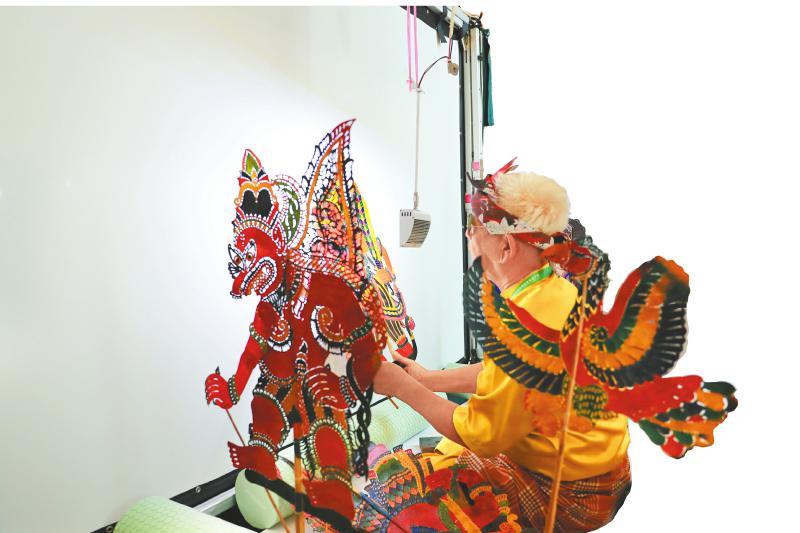
Core Viewpoint - The 9th China Chengdu International Intangible Cultural Heritage Festival opened on May 28, showcasing the importance of intangible cultural heritage (ICH) and promoting cultural exchange and protection efforts [12][13]. Group 1: Event Overview - The festival is a key brand event in the ICH field, held annually since 2007 in Chengdu, which serves as its permanent venue [12]. - This year's festival features a "guest country + guest city" mechanism, with Malaysia as the guest country and cities like Algiers, Penang, Chiang Mai, and Bari as guest cities [12]. - Nearly 400 ICH inheritors and experts from over 60 countries and regions participated in the event [12]. Group 2: Festival Structure - The festival is organized into a "3+3+N" framework, including three main sections: "Vibrant ICH: Tianfu Parade," "Colorful ICH: World Dialogue," and "Charming ICH: International Exhibition," along with three special sections focusing on creative living, beautiful living, and healthy living [12][15]. - Activities are held across 288 community practice spaces in 183 counties, creating a strong atmosphere for public participation [12][20]. Group 3: Highlights and Activities - Approximately 600 ICH representative projects are showcased, with performances from various cultural traditions, including Sichuan opera and traditional dances from different countries [14]. - The "Creative Living" section includes an international ICH brand IP authorization trading event, attracting over 580 enterprises and facilitating significant business interactions [15]. - The "Healthy Living" section features over 120 traditional medicine representatives offering health consultations and experiences [16]. Group 4: Technological Integration - The festival incorporates technology into traditional practices, showcasing over 30 interactive tech installations that enhance the presentation of ICH [18][19]. - Innovative projects include a mobile game based on the 24 solar terms and a VR art exhibition exploring the origins of Chinese characters [19]. Group 5: Cultural Exchange and Tourism - The festival promotes cultural exchange and tourism, inviting global guests to experience Sichuan's unique charm and engage in discussions on ICH's role in tourism development [20][21]. - Activities during the festival include dragon boat races and cultural performances, aimed at integrating ICH into daily life and enhancing public engagement [20].