
两岸合作

Search documents
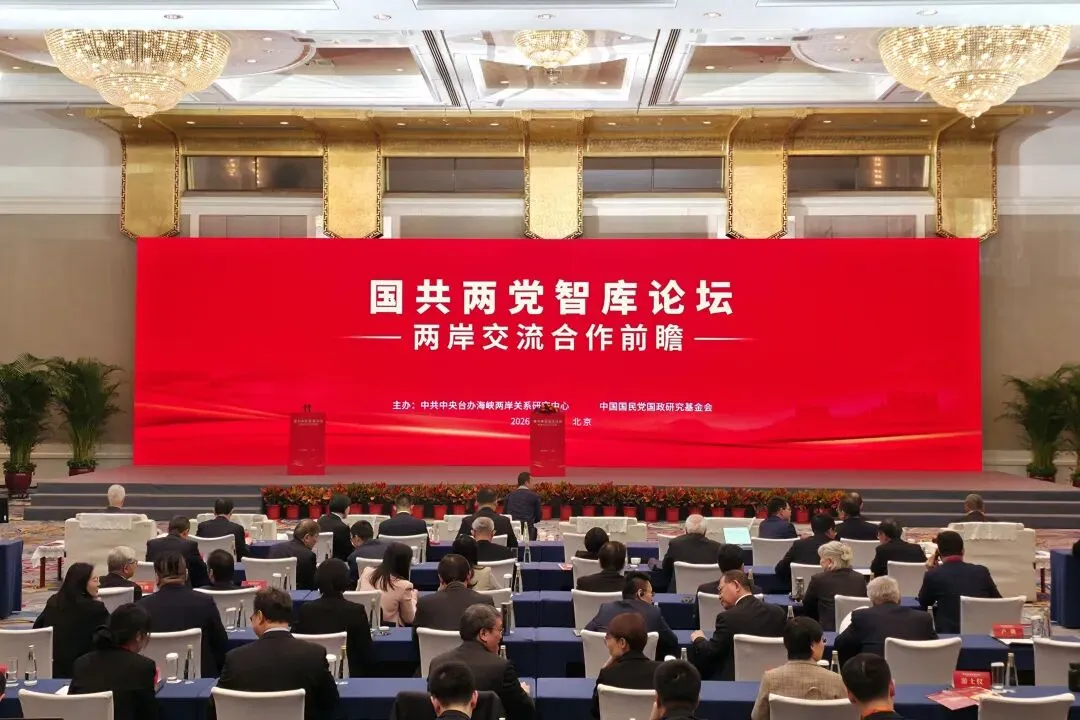
“两岸合作,赚世界的钱”,萧旭岑这句话在岛内何以泛起涟漪?
Xin Lang Cai Jing· 2026-02-03 13:38
Core Viewpoint - The recent KMT-CCP think tank forum in Beijing marks a significant step in resuming institutionalized communication between the two parties after nearly a decade, amidst a complex and tense cross-strait situation [1][11]. Group 1: Economic and Social Context - The forum's agenda focused on tourism, industrial cooperation, and environmental sustainability, areas where there is substantial potential for collaboration that has been hindered by the DPP's governance [3]. - The tourism and restaurant sectors in Taiwan have suffered significantly under DPP rule, with many employees facing reduced bonuses, stagnant wages, and even unemployment, highlighting the urgent need for breakthroughs from the forum [3]. - The forum's discussions are directly related to the livelihoods of approximately one million workers in relevant industries, making it a pragmatic initiative to bypass DPP interference [3][11]. Group 2: Public Sentiment and Expectations - There is a strong public desire in Taiwan for rational and pragmatic exchanges, with many citizens expressing hopes for reduced confrontation and increased cooperation through social media comments [6][7]. - A recent survey indicated that 88% of Taiwanese people believe maintaining communication channels with the mainland is necessary, and 46% expect strengthened cross-strait economic relations, both figures reaching a four-year high [8]. Group 3: KMT's Role and Strategic Shift - The KMT has experienced a shift in its approach to cross-strait issues, moving from a passive stance under DPP governance to actively seeking to regain initiative, as reflected in the recent leadership change within the party [9][10]. - The KMT's current leadership under Zheng Lihua emphasizes the importance of the "1992 Consensus" and opposes "Taiwan independence," indicating a strategic pivot towards fostering cross-strait dialogue [10]. - The forum is seen as a potential "ice-breaking" event, with expectations that it could lead to a more favorable environment for cross-strait relations and influence the DPP's approach to communication [10].

当好乡村“活化剂”
Xin Lang Cai Jing· 2026-01-26 18:59
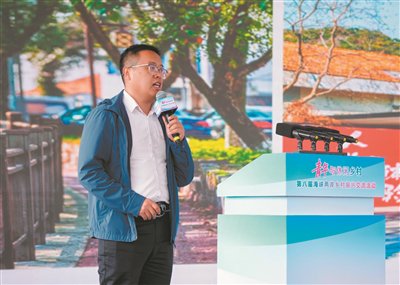
Core Insights - The article highlights the transformation of Anshan Village in Ningbo, where urban designer Jiang Kefeng and his team have revitalized the area through creative projects and community engagement, leading to a vibrant rural economy and lifestyle [3][4][6]. Group 1: Background and Motivation - Jiang Kefeng, a senior landscape engineer, transitioned from urban design to rural development, driven by a desire to connect with nature and the pressures of a saturated urban market [4]. - The team relocated to Anshan Village, attracted by its natural beauty and a collaborative model that integrates design, art, and tourism [4][5]. Group 2: Community Engagement and Development - The team's approach emphasizes "micro-renovation" and respect for the village's existing character, leading to successful projects that enhance local businesses and attract tourists [6][7]. - Jiang's team has grown from 25 to 49 members, fostering a sense of belonging and community among young professionals in the village [5][6]. Group 3: Educational and Cultural Initiatives - Collaborations with local universities have turned Anshan Village into a practical base for design students, enhancing the village's cultural and ecological value [7]. - Jiang has organized various cultural events and activities, attracting over 500 new residents and creating a vibrant community of "new villagers" [7][8]. Group 4: Cross-Strait Collaboration - Jiang represented the "Anshan model" at a cross-strait rural revitalization event, sharing experiences that resonated with attendees and fostering interest in collaborative projects [8]. - Future plans include participation in a cross-strait design exhibition focused on rural revitalization, promoting cultural exchange and innovative design solutions [8].
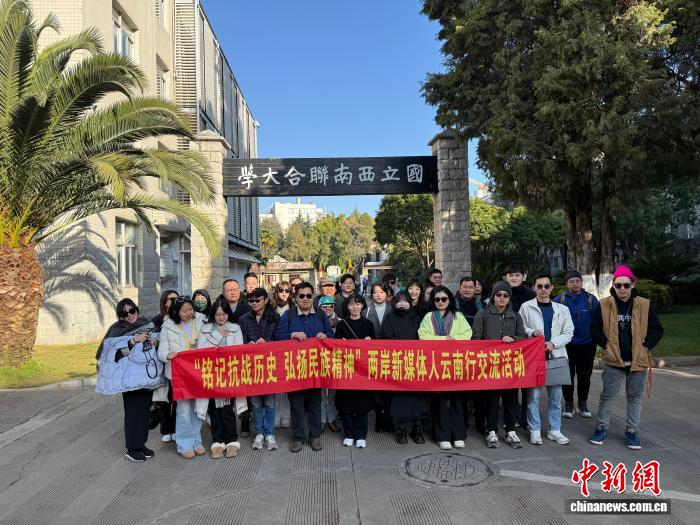
台湾新媒体人云南行:触摸抗战烽火记忆 感受开放发展脉搏
Zhong Guo Xin Wen Wang· 2025-12-25 02:37
Core Viewpoint - The article highlights the cultural exchange and historical remembrance during the visit of Taiwanese new media personnel to Yunnan, emphasizing the significance of the Southwest United University in China's educational history and the potential for cross-strait cooperation in various sectors [1][3][8]. Group 1: Historical Significance - The visit included a tour of the Southwest United University Museum, where participants learned about the university's role during the Anti-Japanese War and its notable alumni, including Nobel laureates [3][4]. - Taiwanese media personnel expressed a deep appreciation for the historical contributions of the university and the importance of remembering history for national rejuvenation [3][4]. Group 2: Cultural Experience - The group experienced local ethnic cultures in Xishuangbanna, participating in activities such as traditional paper-making and celebrating local festivals, showcasing the region's rich cultural diversity [5][7]. - Taiwanese participants shared their experiences on social media, highlighting the vibrant ethnic costumes and cultural heritage, which could inspire future creative projects [7]. Group 3: Opportunities for Cooperation - The visit fostered discussions on potential cross-strait cooperation in areas such as agriculture, trade, and tourism, particularly in the context of the growing economic ties between mainland China and ASEAN countries [8][10]. - Taiwanese youth were encouraged to explore opportunities in Yunnan, leveraging their language skills and cultural insights to engage in business and creative industries [10].
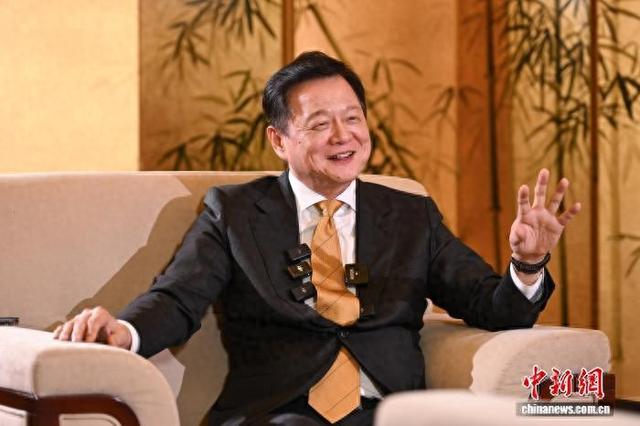
台湾旺旺集团副董事长周锡玮:两岸青年在短视频时代并无隔阂
Zhong Guo Xin Wen Wang· 2025-09-18 03:00
Group 1 - The core viewpoint is that there is no barrier between young people on both sides of the Taiwan Strait in the internet and short video era, as they naturally connect through social media platforms [1] - Taiwanese youth enjoy watching short videos on mainland social platforms, which reflects cultural recognition and the richness of daily life [1][3] - The rapid dissemination of content on social media allows for immediate sharing of experiences, enhancing cultural exchange [1] Group 2 - The promotion of traditional Chinese culture is evident among young people in mainland China, with many adopting traditional attire, which has garnered interest from foreigners [3] - The shared cultural heritage of Chinese culture serves as a common emotional bond for both sides, emphasizing the importance of cultural cooperation [3][4] - Economic cooperation is highlighted, with the mainland's vast market and advanced industrial level providing opportunities for healthy competition and innovation between Taiwanese and mainland enterprises [3] Group 3 - There is significant potential for collaboration in the cultural and creative industries between young people from both sides, leveraging their respective strengths in various fields such as film, animation, and software design [4] - The combination of mainland China's cultural depth and market size with Taiwan's creative talent and operational experience presents a unique opportunity for mutual growth [4]

特写:“我看见了更多可能性”——台青珠海科技奇遇记
Xin Hua Wang· 2025-07-07 01:01
Group 1 - The event highlighted the engagement of over 1,800 Taiwanese youth in the 22nd Taiwanese Youth Summer Camp, showcasing the potential for cross-strait collaboration in various fields [2] - The exhibition at the Hengqin Guangdong-Macao Deep Cooperation Zone emphasized the advancements in technology and manufacturing capabilities in mainland China, particularly in electronic components [2] - The Taiwanese youth expressed a strong interest in exploring educational and professional opportunities in mainland China, particularly in fields related to geology and technology [1][2] Group 2 - The Hengqin Guangdong-Macao Traditional Chinese Medicine Cultural Experience Center utilized advanced technology to enhance visitor engagement, showcasing the integration of cultural heritage and modern design [3] - The exhibition of the Chinese space station and related aerospace technology at the Zhuhai Space Center impressed attendees, highlighting China's rapid advancements in space exploration [3] - The overall experience of the Taiwanese youth during the camp indicated a growing interest in contributing to China's technological progress and exploring future opportunities in the mainland [3]