两岸团圆

Search documents
两岸共放五彩焰火同贺马年新春 “火树银花”跨越海峡传递团圆与祝福
Yang Shi Wang· 2026-02-18 04:46
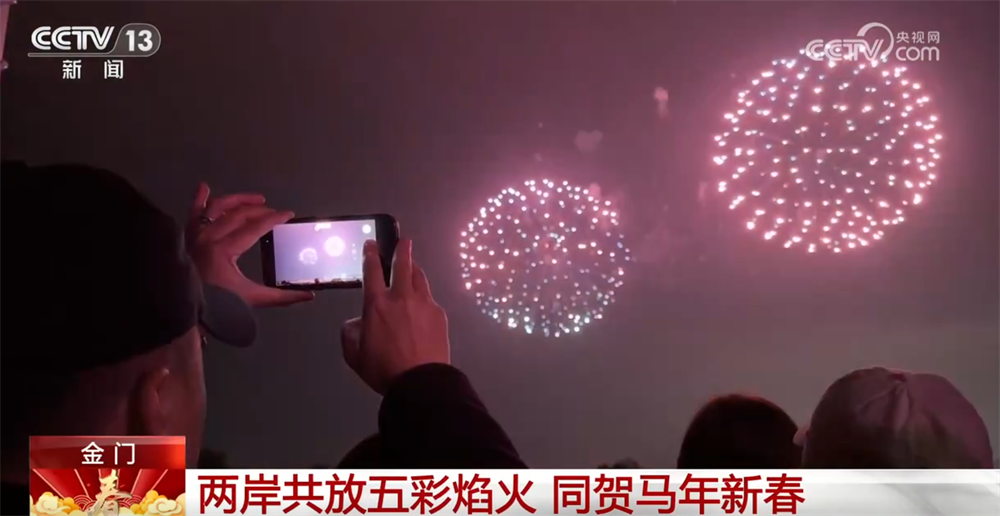
Group 1 - The core event of the New Year fireworks display in Xiamen and Kinmen symbolizes reunion and hope, marking a significant cultural celebration for both regions [1] - The fireworks show lasted for 30 minutes, featuring a progression from dynamic to gentle displays, creating a visual representation of unity across the strait [1] - The event was attended by many, with participants capturing the moment on their phones, highlighting the emotional significance of the occasion [1] Group 2 - This year's fireworks display holds special meaning for Kinmen as it coincides with the 25th anniversary of the "Mini Three Links" passenger routes, fostering a closer "city life circle" between Xiamen and Kinmen [3] - The upcoming arrival of tourists from Shanghai to Kinmen is anticipated, reflecting ongoing efforts to strengthen ties between the two regions [3] - The fireworks have become a shared cultural memory since their first joint celebration in 1987, symbolizing the enduring friendship and vitality between the two sides [5]

一席佳肴 盛满祈愿
Xin Lang Cai Jing· 2026-02-16 23:39
Group 1 - The article highlights the significance of family reunions during the Lunar New Year, emphasizing the warmth and hope associated with traditional meals and gatherings [1][2][4] - It describes the unique experiences of families, such as the cross-strait reunion of a Taiwanese bride and her family in mainland China, showcasing the emotional connections and cultural exchanges [2][3] - The narrative illustrates the blending of culinary traditions, with families incorporating both local and Taiwanese dishes into their New Year celebrations, symbolizing unity and cultural integration [4][5] Group 2 - The article mentions the increasing popularity of traditional food items, such as "礼饼" (gift pastries), during the festive season, indicating a rise in local business activity and cultural heritage [6][7] - It highlights the success of local artisans and businesses, like the 礼饼店 (pastry shop), which has seen a surge in orders and plans for expansion, reflecting a positive economic outlook [6][7] - The cultural events, such as the "凤凰集" (Phoenix Market), contribute to community engagement and local tourism, enhancing the festive atmosphere and supporting local economies [7]
乡音 乡愁 | 此生盼见九州同,这是我最后的心愿
Yang Shi Wang· 2025-10-25 02:23
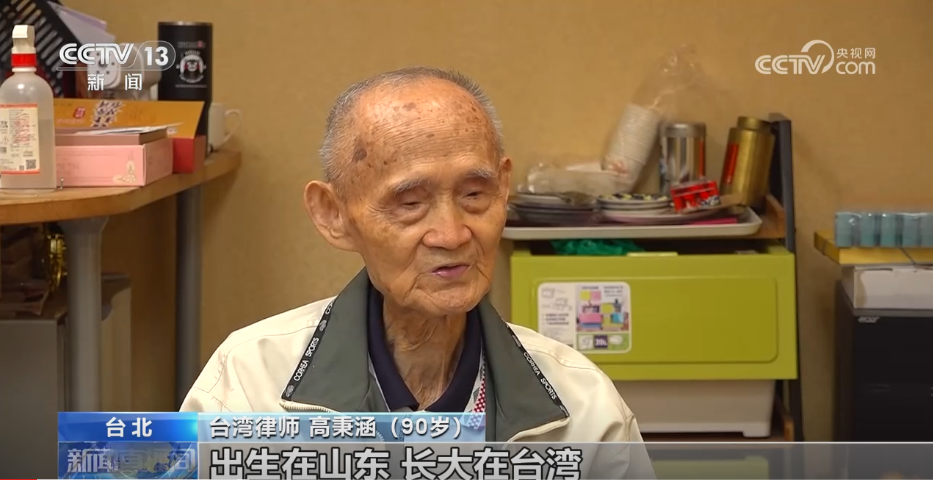
Core Viewpoint - The series of reports titled "Nostalgia and Hometown" launched by the news channel aims to explore the deep emotional connections and memories of Taiwanese individuals regarding their hometowns in mainland China, highlighting the stories of those who have crossed the strait and their enduring sense of nostalgia [1][11]. Group 1: Personal Stories and Experiences - Taiwanese lawyer Gao Binghan has dedicated over 30 years to helping Taiwanese veterans return their ashes to their hometowns in mainland China, fulfilling their lifelong wishes [1][11]. - Gao, who has lived in Taiwan for 77 years, still speaks with a strong accent from his hometown, emphasizing that nostalgia is not just about language but also about the memories of veterans whose ashes he has returned [3][11]. - Gao's journey began when he was a 13-year-old refugee from Shandong, and despite the mixed dialects around him in Taiwan, he has always felt a deep longing for his mother and hometown [5][11]. Group 2: Emotional Connections and Longing - Gao recalls a poignant moment with his mother before leaving for Taiwan, where she expressed her hope for him to survive and return, a sentiment that has profoundly influenced his life [7][11]. - After 43 years, Gao finally returned to his hometown in 1991, bringing with him the ashes of three veterans, symbolizing a reunion filled with nostalgia [9][11]. - Gao's actions reflect his desire to bridge the emotional gap created by the strait, allowing veterans' spirits to return home and fulfilling a collective wish for connection [11][13].