乌鱼子

Search documents
一席佳肴 盛满祈愿
Xin Lang Cai Jing· 2026-02-16 23:39
Group 1 - The article highlights the significance of family reunions during the Lunar New Year, emphasizing the warmth and hope associated with traditional meals and gatherings [1][2][4] - It describes the unique experiences of families, such as the cross-strait reunion of a Taiwanese bride and her family in mainland China, showcasing the emotional connections and cultural exchanges [2][3] - The narrative illustrates the blending of culinary traditions, with families incorporating both local and Taiwanese dishes into their New Year celebrations, symbolizing unity and cultural integration [4][5] Group 2 - The article mentions the increasing popularity of traditional food items, such as "礼饼" (gift pastries), during the festive season, indicating a rise in local business activity and cultural heritage [6][7] - It highlights the success of local artisans and businesses, like the 礼饼店 (pastry shop), which has seen a surge in orders and plans for expansion, reflecting a positive economic outlook [6][7] - The cultural events, such as the "凤凰集" (Phoenix Market), contribute to community engagement and local tourism, enhancing the festive atmosphere and supporting local economies [7]
丙午马年话团圆:宝岛台湾迎春年味浓
Xin Hua Wang· 2026-02-16 10:01
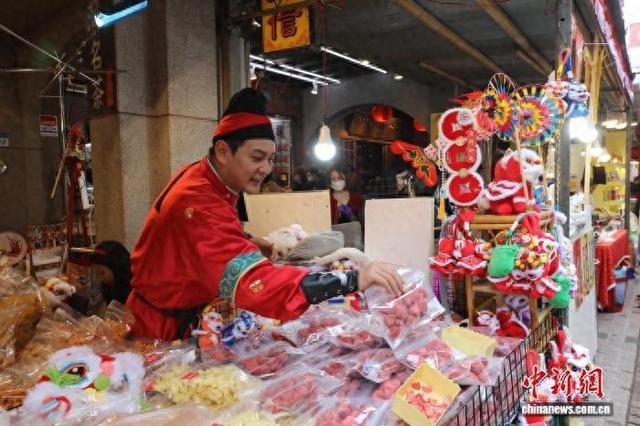
Group 1 - The article highlights the festive atmosphere in Taiwan as people prepare for the Lunar New Year, with traditional activities such as shopping for New Year goods, writing couplets, and family gatherings [2][4][9] - The Taipei New Year Goods Street, located in the historic Dihua Street, continues to attract crowds, showcasing traditional decorations and festive items like red envelopes and lion dance figurines [2][4] - Local vendors, such as Wu Min-yi, are actively promoting traditional attire and New Year goods, emphasizing the cultural significance and unique charm of these traditions [2][4][6] Group 2 - The article describes the variety of traditional foods and items available for purchase, including items like fish roe, pork jerky, and various types of pickled vegetables, which are integral to Taiwanese New Year celebrations [4][7] - The popularity of floral decorations during the New Year is noted, with specific flowers symbolizing good fortune and prosperity, such as the "lucky" radish bonsai and other auspicious plants [6][7] - A survey indicates that popular New Year dishes among Taiwanese people include hot pot and Buddha jumps over the wall, reflecting the culinary preferences during the festive season [7][9] Group 3 - The article mentions the significant travel activity as people return home for the New Year, with data showing that over 81,500 passengers used the "mini three links" ferry service between Taiwan and mainland China during the holiday period [10] - The emotional connection to family and heritage is emphasized, with individuals like writer Xue Renming reflecting on their ancestral roots and the importance of cultural continuity during the New Year celebrations [12]

台北百年老街飘年味
Xin Lang Cai Jing· 2026-02-02 21:08
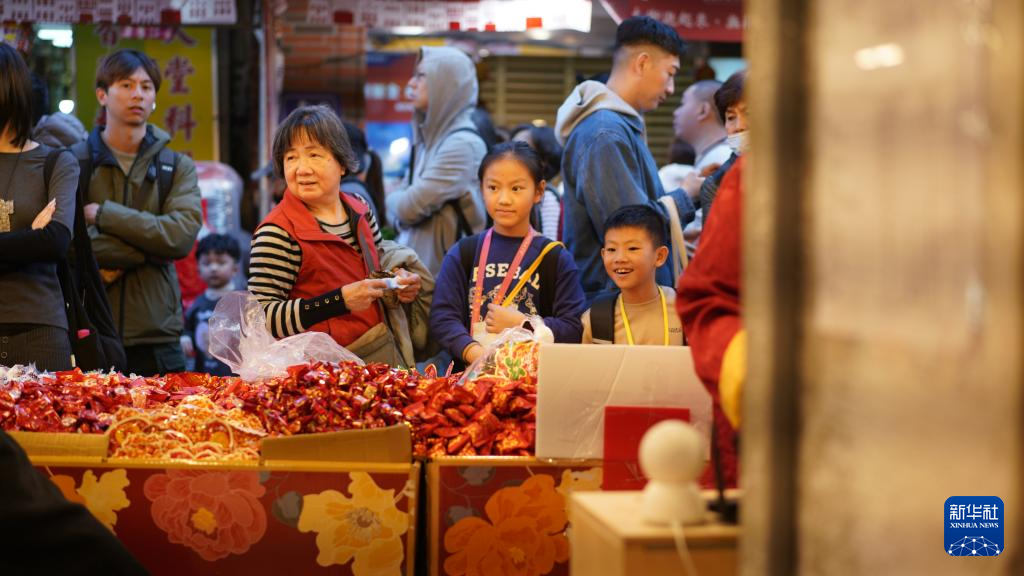
Core Viewpoint - The Taipei Lunar New Year Market on Dihua Street has reopened, showcasing a vibrant atmosphere filled with traditional foods and cultural elements, reflecting the historical significance of the area and its evolution into a festive hub for the New Year celebrations [3][4][5]. Group 1: Historical and Cultural Significance - Dihua Street, established in the mid-19th century, is known for its Baroque architecture and has historically served as a central hub for goods in Taiwan [3]. - The market aims to provide a complete traditional cultural experience, with vendors dressed in traditional attire and offering insights into the history of their products [4]. Group 2: Market Offerings and Customer Engagement - The market features a variety of food stalls selling traditional New Year ingredients such as abalone, fish roe, dried scallops, and mushrooms, alongside festive decorations like red couplets and Year of the Horse ornaments [3][4]. - Vendors are actively engaging customers with promotions and tastings, creating a lively shopping experience [4][5]. Group 3: Modern Adaptations and Attractions - To attract younger crowds, the market has collaborated with popular local IP "Bailan Cat," featuring a giant inflatable mascot and wealth symbols for photo opportunities [4]. - The Taipei City Government's initiative for a "smoke-free New Year Market" enhances the shopping environment, making it more comfortable for visitors [5].
台湾写真:台北百年迪化老街飘年味
Xin Lang Cai Jing· 2026-01-31 13:21
Core Viewpoint - The Taipei Lunar New Year Market on Dihua Street has reopened, transforming the historic area into a vibrant hub of traditional festivities, showcasing a variety of goods and cultural experiences [1][3]. Group 1: Market Overview - The Dihua Street, known for its Baroque architecture, has been a central hub for goods in Taiwan since the mid-19th century [1]. - The market features a wide array of food stalls offering traditional snacks, ingredients for festive meals, and decorative items, creating a lively atmosphere [1][5]. Group 2: Cultural Elements - Vendors are dressed in traditional attire, such as Hanfu, to enhance the cultural experience for visitors, attracting younger crowds [3]. - The market includes unique offerings like Northeast pickled vegetables, which reflect the heritage of the vendors and their families [3][5]. Group 3: Community Engagement - The collaboration with popular local IP "Bai Lan Cat" includes a giant inflatable figure to attract younger visitors, blending traditional and modern elements [8]. - The Taipei City Government's initiative for a "smoke-free Lunar New Year Market" aims to improve the shopping environment for all attendees [8].