严肃文学改编

Search documents
文化新观察·年度文化亮点|严肃文学加快走上荧屏
Xin Hua She· 2025-12-23 13:32
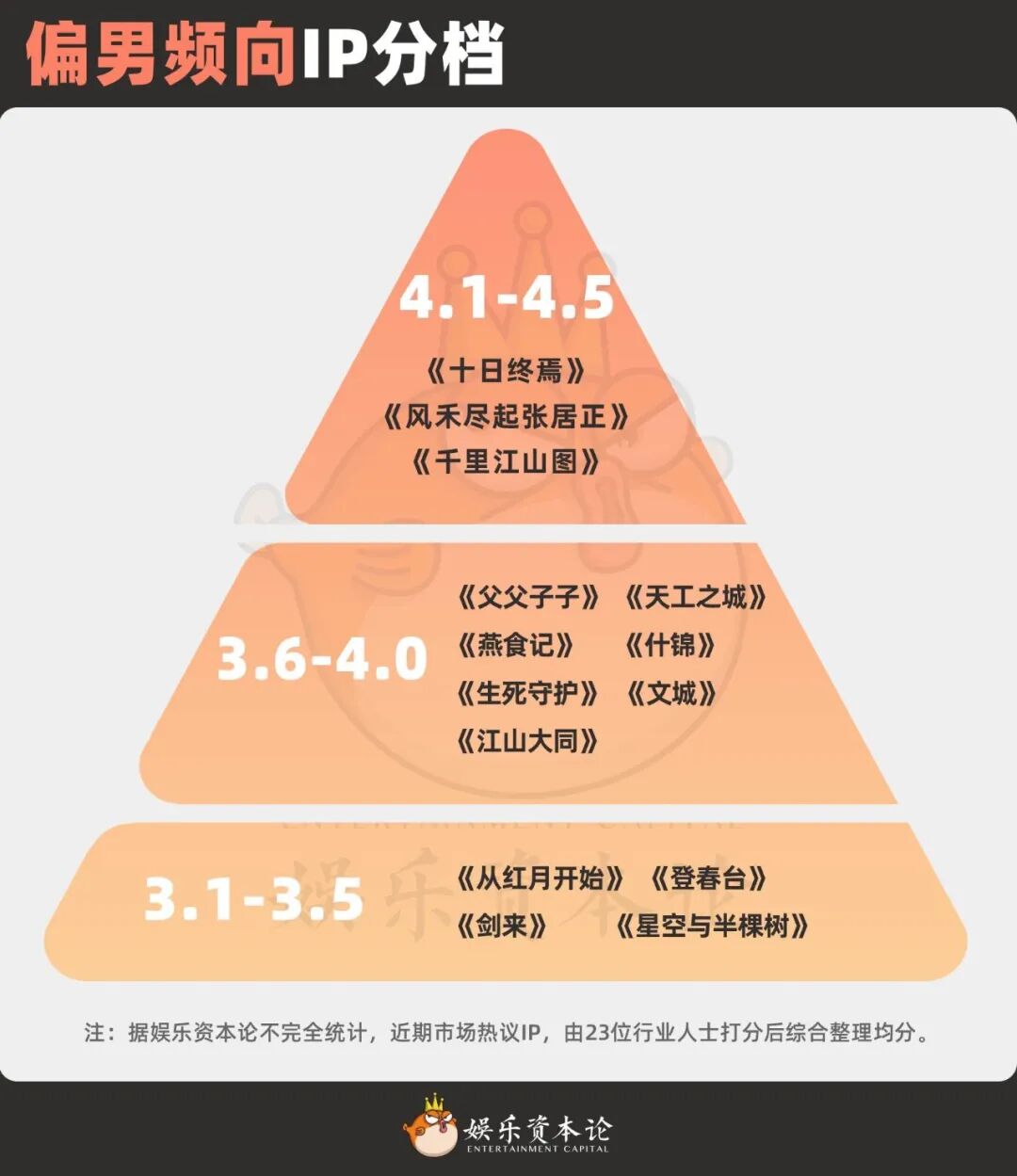
Core Viewpoint - The resurgence of serious literature adaptations in Chinese television is driven by a combination of audience demand for quality content and industry shifts towards more meaningful storytelling, with a significant number of adaptations achieving high ratings and critical acclaim [2][4][8]. Group 1: Adaptation Trends - By 2025, a growing number of serious literary works are being adapted into television series, with 34 out of 53 winners of the Mao Dun Literature Prize already adapted, representing nearly two-thirds [1] - The 2024 adaptation report indicates that serious literature adaptations occupy 12 out of the top 50 spots in terms of popularity and critical acclaim, highlighting a trend of "quality over quantity" in creative production [2] - Notable adaptations include "Northbound," which ranked third in viewership ratings, and "Life in All Its Forms," which achieved the highest average and single-day ratings on CCTV8 [2] Group 2: Industry Dynamics - The return of serious literature adaptations is seen as a necessary response to the industry's search for balance between supply and demand, as audiences increasingly seek diverse and meaningful content [4][5] - The shift away from idol dramas and romantic comedies is attributed to a more mature audience aesthetic, leading to a demand for narratives that explore social and personal realities [4][5] - Major production companies are actively acquiring adaptation rights for serious literary works, indicating a strategic pivot towards this genre [4] Group 3: Creative Challenges - Successful adaptation from literature to screen requires addressing three key aspects: emotional resonance with contemporary audiences, narrative strategies that respect the differences between artistic forms, and the creative transformation of textual language into visual storytelling [6][7][8] - The adaptation of "Northbound" involved a narrative shift to connect with younger audiences' experiences of urban life, while "Life in All Its Forms" focused on the deep emotional ties between farmers and their land [6][7] - The industry recognizes the need for visually impactful and emotionally engaging storytelling to effectively translate literary works into compelling television [7][8]
业内大调查:60个IP金字塔排名,谁是真“好饼”
3 6 Ke· 2025-09-24 00:11
Core Insights - The entertainment industry is experiencing a disconnect between fan expectations and industry realities, particularly regarding the effectiveness of "big IP + popular actors" formula, which is no longer yielding the expected results [1][14][16] - A study of 60 popular IP projects revealed that the industry is shifting towards valuing unique and innovative content over traditional big IPs, with a focus on character development and storytelling quality [1][4][12] Group 1: Industry Trends - Serious literary adaptations, such as "Wind and He" and "Thousand Miles of Rivers and Mountains," are becoming stable types of hit dramas, supported by leading companies like New Li [4] - Light sci-fi elements are gaining traction, with projects like "Ten Days of End" and "Cyber Game Boss" showcasing a shift towards innovative storytelling that appeals to niche audiences [4][6] - The market is seeing a rise in genre diversification, with traditional historical and espionage themes coexisting with more experimental light sci-fi narratives [6][16] Group 2: IP Evaluation Criteria - The differentiation of themes is not the sole criterion for acquiring IP rights; the narrative's coherence and audience relatability are equally important [7][9] - High-scoring IPs often feature strong character development and reasonable copyright pricing, leading to better cost-effectiveness in production [9][18] - The industry is increasingly cautious about older or overly similar IPs, as they may struggle to attract contemporary audiences [18][20] Group 3: Audience Dynamics - The audience's preferences are becoming more fragmented, making it challenging for any single IP to achieve widespread appeal as seen in past phenomena [14][16] - Recent projects are targeting specific demographics, particularly young adults aged 18-35, which contrasts with the broader appeal of earlier hits [16][18] - The industry is recognizing the need for innovative adaptations that resonate with modern viewers, rather than relying solely on established IPs [30]