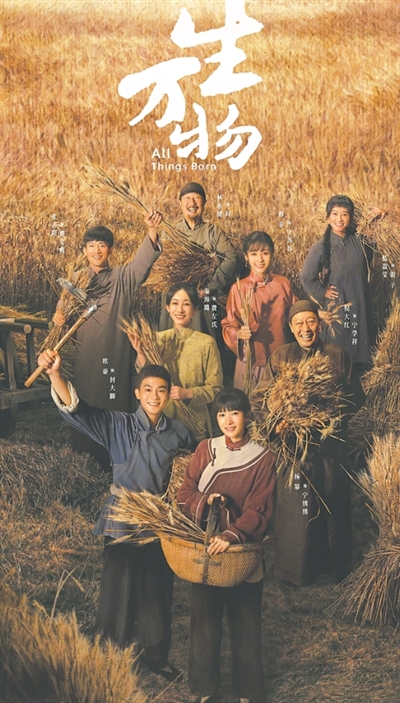
电视剧《生万物》

Search documents
生万物导演谈如何拉近与年轻人距离
Xin Lang Cai Jing· 2026-02-07 01:11
Group 1 - The core viewpoint of the article highlights that the director Liu Jiacheng has successfully attracted a significant young audience to the drama "Life of All Things," with 40% of viewers being around 20 years old [1] - The director emphasizes that the portrayal of land in a fresh and original way resonates with young viewers, suggesting that a return to primitive themes can bridge the gap with this demographic [1] - The use of real scenes in the production has been noted to evoke sensory experiences, such as the smell of the land, which further engages the younger audience [1]
文艺气象·收获
Ren Min Wang· 2026-01-03 01:12
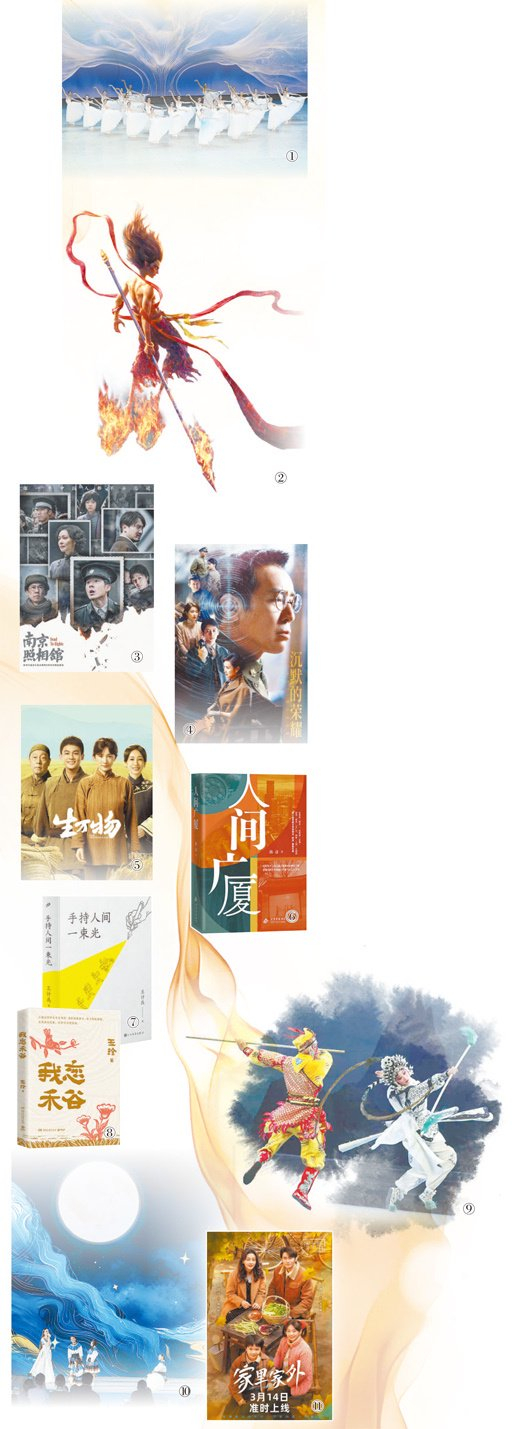
Group 1 - The artistic performance "Justice Prevails" commemorates the 80th anniversary of the victory in the Anti-Japanese War, showcasing the historical truth that justice ultimately prevails through a grand and innovative format [7] - The film "Nezha: Birth of the Demon Child" integrates traditional values with contemporary spirit, elevating the production level of Chinese cinema and demonstrating the potential for innovative development of traditional culture [8] - The film "Nanjing Photo Studio" is based on true events from the Nanjing Massacre, highlighting the bravery and kindness of ordinary people in dire circumstances, with a heavy and introspective tone that critiques the atrocities of war [9] Group 2 - The TV series "Silent Glory" emphasizes that true heroism often lies in quiet perseverance, and that artistic works do not always need happy endings to resonate deeply with audiences [10] - The TV series "The Birth of All Things" is noted for its profound portrayal of the relationship between farmers and the land, becoming a model for literary adaptations in contemporary television [11] - The novel "Human Dwelling" explores the possibility of spiritual refuge through sincere aesthetics and deep cultural dialogues, reflecting on societal issues [12] Group 3 - The rise of amateur writing, exemplified by works like "Holding a Light in the World" and "I Love He Gu," represents a new phenomenon in literature, connecting everyday life with artistic expression [13] - The Wuju opera "Three Strikes on the White Bone Spirit" showcases the beauty of traditional Chinese opera through innovative techniques and character development, reflecting a new trend in contemporary opera [14] - The song "Jade Plate" merges traditional imagery with modern sensibilities, conveying cultural confidence through a childlike perspective and pure melodies [15] Group 4 - Micro-dramas are experiencing rapid growth, resonating with audiences and achieving high industry revenues, while emphasizing the need for content enhancement and cultural leadership [16] - The year 2025 marked a significant cultural moment, with various artistic expressions reflecting the deep connection between a nation’s culture and its history, particularly in the context of the 80th anniversary of the Anti-Japanese War victory [19] - The term "resilience" emerged as a key theme in popular discourse, symbolizing a nation's strength in overcoming challenges and the collective emotional landscape of the youth [20]

文化新观察·年度文化亮点|严肃文学加快走上荧屏
Xin Hua She· 2025-12-23 13:32
Core Viewpoint - The resurgence of serious literature adaptations in Chinese television is driven by a combination of audience demand for quality content and industry shifts towards more meaningful storytelling, with a significant number of adaptations achieving high ratings and critical acclaim [2][4][8]. Group 1: Adaptation Trends - By 2025, a growing number of serious literary works are being adapted into television series, with 34 out of 53 winners of the Mao Dun Literature Prize already adapted, representing nearly two-thirds [1] - The 2024 adaptation report indicates that serious literature adaptations occupy 12 out of the top 50 spots in terms of popularity and critical acclaim, highlighting a trend of "quality over quantity" in creative production [2] - Notable adaptations include "Northbound," which ranked third in viewership ratings, and "Life in All Its Forms," which achieved the highest average and single-day ratings on CCTV8 [2] Group 2: Industry Dynamics - The return of serious literature adaptations is seen as a necessary response to the industry's search for balance between supply and demand, as audiences increasingly seek diverse and meaningful content [4][5] - The shift away from idol dramas and romantic comedies is attributed to a more mature audience aesthetic, leading to a demand for narratives that explore social and personal realities [4][5] - Major production companies are actively acquiring adaptation rights for serious literary works, indicating a strategic pivot towards this genre [4] Group 3: Creative Challenges - Successful adaptation from literature to screen requires addressing three key aspects: emotional resonance with contemporary audiences, narrative strategies that respect the differences between artistic forms, and the creative transformation of textual language into visual storytelling [6][7][8] - The adaptation of "Northbound" involved a narrative shift to connect with younger audiences' experiences of urban life, while "Life in All Its Forms" focused on the deep emotional ties between farmers and their land [6][7] - The industry recognizes the need for visually impactful and emotionally engaging storytelling to effectively translate literary works into compelling television [7][8]
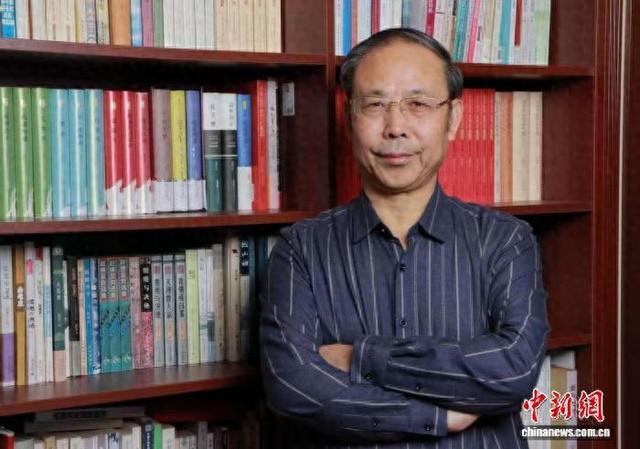
赵德发:因电视剧《生万物》受关注的七旬作家
Zhong Guo Xin Wen Wang· 2025-10-06 10:10
Core Viewpoint - The article highlights the resurgence of interest in the works of 70-year-old writer Zhao Defa, particularly due to the popularity of the TV series "Sheng Wan Wu," which is adapted from his novel "Qian Quan Yu Jue Jue" written 30 years ago [1]. Group 1: Author's Background and Career - Zhao Defa, born in 1955 in Shandong Province, faced challenges in his writing journey due to a lack of formal education until he gained confidence after winning the Baihua Award for his short story "Tong Tui Er" in 1991 [3]. - His literary career includes a trilogy focused on rural themes, consisting of "Qian Quan Yu Jue Jue," "Jun Zi Meng," and "Qing Yan Huo Bai Wu," which he developed over several years starting in 1993 [4]. Group 2: Themes and Insights from Works - Zhao Defa's writing is influenced by sociological insights, particularly from the work of French sociologist Mendras, which discusses the transition of traditional farmers in the context of industrial civilization [5]. - The TV series "Sheng Wan Wu" has sparked discussions on the relationship between farmers and land, emphasizing the need to rekindle farmers' passion for land through improved land benefits and relationships [5]. Group 3: Future Aspirations - Zhao Defa expresses a desire to continue producing high-quality literary works that reflect societal changes, with plans to diversify his themes, as evidenced by his recent novel "Da Hai Feng," which explores marine literature [5].
“把日子过出花”与当代观众实现了共鸣——电视剧《生万物》研讨会在京举行
Jing Ji Guan Cha Bao· 2025-09-11 04:39
Core Insights - The drama "生万物" has resonated with contemporary audiences, breaking viewership records on CCTV8 and becoming a phenomenon in the market [1][2] Group 1: Production and Creative Aspects - "生万物" is adapted from Zhao Defa's novel "缱绻与决绝," focusing on the historical changes in rural land in Lunan, Shandong, and the rise and fall of three families over two generations [2] - The series features a high level of artistic quality in its production, with careful attention to camera work, pacing, and emotional expression [4] - The director emphasized the importance of both life and death in storytelling, with unique designs for character deaths to enhance thematic depth [5] Group 2: Cultural and Social Impact - The series reflects the aspirations of local people for a better life, finding resonance with modern viewers through its themes and cultural expressions [3] - It serves as a model for telling Chinese stories, providing insights into the importance of original literature and its adaptation for contemporary audiences [3] - The portrayal of rural life and agricultural scenes has been artistically rendered, bringing a fresh perspective to everyday experiences [6] Group 3: Actor Contributions - Yang Mi's performance as the lead character, 宁绣绣, showcases her commitment to the role, including immersive experiences in rural life to enhance her portrayal [6] - The cast's dedication and the collaborative atmosphere on set contributed to the overall success of the series, highlighting the importance of respecting labor and the creative process [7]
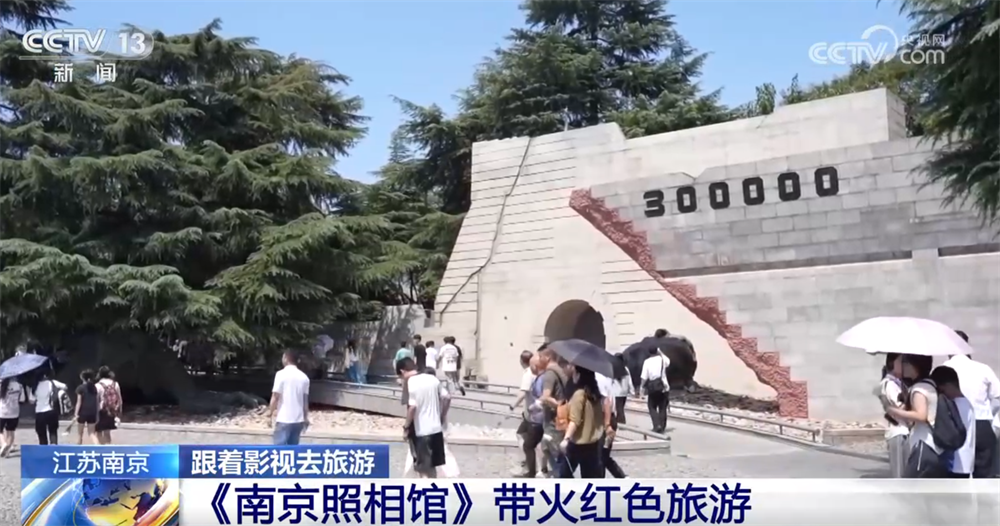
“影视+”撬动文旅消费新场景 不断“刷新”地方文旅经济新活力
Yang Shi Wang· 2025-08-30 06:27
Group 1: Red Tourism Surge in Nanjing - The movie "Nanjing Photo Studio" has sparked a wave of red tourism in Nanjing, Jiangsu Province during the summer [1] - The Nanjing Massacre Memorial Hall has seen an average daily visitor count of 25,000, with many young people visiting to learn about history after watching the film [3] - The Rain Flower Terrace Martyrs Memorial has also experienced a peak in visitors, averaging 11,000 daily, with a significant number of young attendees [5] Group 2: Tourism Boom from "Living Things" Drama - The drama "Living Things," filmed in Shandong's Rizhao and Linyi, has led to a tourism surge in these locations [6] - The story of "Living Things" focuses on land changes in rural southern Shandong, with over 450 films shot in the area, resulting in a notable increase in visitors [8] - Linyi County has launched a "Travel with Film" cultural tourism project, featuring themed routes like "Living Things: The Legacy of Yimeng," allowing tourists to relive classic scenes [11] Group 3: Impact of "Wang Wang Mountain Little Monster" Animation - The animated film "Wang Wang Mountain Little Monster" is currently popular, showcasing ancient architecture in Shanxi, attracting many visitors [12] - At least 10 filming locations in Shanxi are featured in the movie, with the Yong'an Zen Temple in Datong County being a notable site that draws tourists [14] - To enhance visitor experience, the scenic area has introduced immersive performances, increasing the frequency of shows to provide a unique cultural experience [16][17]
热播剧《生万物》取景地迎来旅游热潮
Yang Shi Wang· 2025-08-30 05:53
Core Viewpoint - The recent airing of the TV drama "Sheng Wan Wu" has led to a surge in tourism in the filming locations such as Rizhao and Linyi in Shandong province [1] Group 1 - The TV drama "Sheng Wan Wu" is being broadcasted on the national television network [1] - Filming locations in Shandong, including Rizhao and Linyi, are experiencing a tourism boom due to the show's popularity [1]
令人耳目一新的关键(创作谈)
Ren Min Ri Bao· 2025-08-27 22:38
Core Viewpoint - The television series "Sheng Wan Wu" explores the deep-rooted relationship between land and Chinese culture, aiming to reflect on the historical and cultural significance of rural life in China, particularly in the context of the new China established nearly a century ago [2][3]. Group 1: Themes and Concepts - The series emphasizes the importance of understanding historical roots to grasp contemporary China, focusing on the evolution of rural life since the establishment of the new China [2]. - "Sheng Wan Wu" aims to convey themes of resilience and hope, showcasing the spirit of the Chinese people who strive to change their fate through hard work [3]. - The title "Sheng Wan Wu" signifies the life-giving power of land, highlighting its role as the source of strength and vitality [3]. Group 2: Character Development and Realism - The series features complex character portrayals, avoiding stereotypes and presenting characters with both positive and negative traits, which enhances their relatability and depth [3][4]. - The commitment to realism is evident in the character designs, with each character based on real-life prototypes, making them more impactful [3]. Group 3: Production Techniques - The series was filmed on location, which increased production costs but was deemed worthwhile for the authenticity of the visual presentation [4]. - A blend of realism and romanticism is employed in storytelling, with innovative techniques used to elevate the narrative [4]. Group 4: Commitment to Quality - The director emphasizes a dedication to thorough research and local engagement to accurately depict the historical context of rural life in the Lu Nan region [4]. - The commitment to creating high-quality, meaningful content that resonates with audiences is a priority for the production team [4].
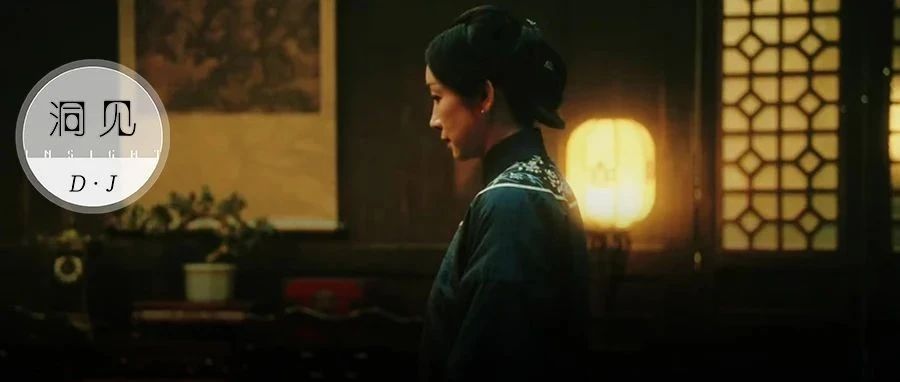
央视热播剧《生万物》大结局,我看清了人性之中的七宗罪
洞见· 2025-08-25 12:35
Core Insights - The article discusses the themes of human nature as depicted in the drama "生万物," focusing on the seven deadly sins and their implications on personal and communal relationships [5][26]. Group 1: Greed - The character 宁学祥 exemplifies extreme greed, attempting to acquire land from others despite already owning 700 acres. His actions lead to the downfall of others, showcasing the destructive nature of unchecked desire [7][9]. - The consequences of 宁学祥's greed result in familial estrangement and community tragedy, emphasizing the idea that excessive greed ultimately leads to self-destruction [7][9]. Group 2: Selfishness - The character 铁头 uses the farmers' association for personal gain rather than genuinely advocating for the community's interests, highlighting the theme of selfishness in human nature [9][12]. - In contrast, 费文典 is portrayed as selfless, earning the respect and loyalty of the community, which underscores the importance of altruism over selfishness [9][12]. Group 3: Laziness - The character 封四's laziness leads to his family's demise, as he neglects agricultural responsibilities, resulting in poverty and death [12][14]. - The narrative contrasts 封四's laziness with 封二's diligence, illustrating that hard work and commitment to one's responsibilities yield positive outcomes [12][14]. Group 4: Indifference - The indifference of characters like 宁学祥 and his family towards the suffering of refugees during a disaster highlights a lack of empathy and social responsibility [24][26]. - The article suggests that true humanity involves compassion and the willingness to help others in need, contrasting with the coldness exhibited by some characters [24][26]. Group 5: Hatred - The cycle of hatred is depicted through 封四's actions leading to his own demise and the subsequent revenge sought by his son, which ultimately destroys both their lives [26][29]. - The narrative emphasizes that while hatred may serve as a defense mechanism, it can lead to a destructive cycle that harms both the individual and the community [26][29]. Group 6: Jealousy - The character 费左氏's jealousy towards 苏苏's happiness leads to tragic consequences, illustrating how envy can distort one's actions and relationships [29][30]. - The article reflects on the destructive nature of jealousy and the importance of personal growth and acceptance in overcoming such feelings [29][30]. Group 7: Hypocrisy - 宁学祥's hypocritical actions, where he pretends to support the farmers while actually undermining them, highlight the dangers of insincerity in leadership [32][33]. - The narrative stresses that genuine relationships are built on trust and honesty, and that hypocrisy ultimately leads to downfall [32][33].