
中东地缘政治格局变化

Search documents
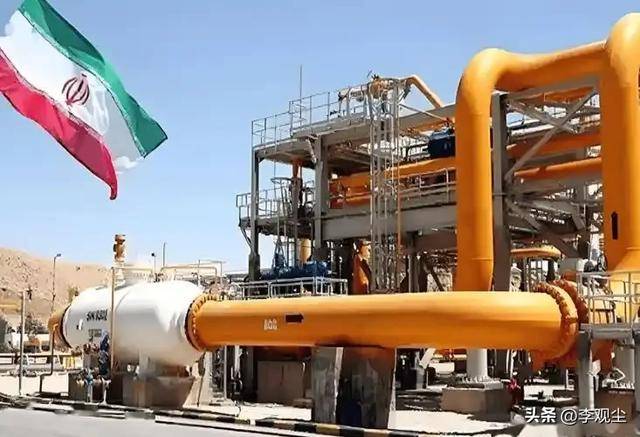
美国锁死伊朗能源命脉,新一轮制裁落地,中东地缘棋局生变
Sou Hu Cai Jing· 2026-01-24 13:22
Group 1 - The core point of the article is that the recent sanctions imposed by the U.S. on Iran are a continuation and escalation of a long-standing strategy aimed at crippling Iran's oil and gas industry, which is vital for its economy [2][4][5] - The sanctions specifically target eight entities related to energy trade and nine oil tankers, indicating a focused effort to disrupt Iran's energy supply chain [2][5] - The U.S. has shifted its strategy to include sanctions on foreign entities involved in Iran's energy sector, aiming to cut off Iran's access to global markets without direct confrontation [7][9] Group 2 - The sanctions are part of a broader strategy to exert maximum pressure on Iran, as traditional methods have failed to destabilize the Iranian regime [9][11] - The U.S. military presence in the region has increased, with a significant naval deployment, signaling a potential escalation in military tensions [11][13] - Both the U.S. and Iran are engaging in psychological warfare, with each side making strong statements while avoiding direct military conflict due to mutual concerns [13][15] Group 3 - The geopolitical landscape in the Middle East is shifting, with traditional allies like Saudi Arabia and Qatar becoming more independent in their foreign policy decisions, opting for mediation rather than blind support for U.S. actions [24][26] - The evolving dynamics indicate a move towards a multipolar approach in the region, where countries are prioritizing their own interests over alignment with major powers [26][28] - The ongoing conflict and sanctions are not only affecting Iran but also pose risks to global energy security and economic recovery, highlighting the interconnectedness of regional and global markets [30]

巴以谈判前代表萨伊格接受《环球时报》专访:加沙治理将是一个巨大挑战
Huan Qiu Shi Bao· 2025-10-20 22:57
Core Viewpoint - The ceasefire agreement between Israel and Hamas is seen as a starting point for new political, military, and humanitarian negotiations rather than an end to the conflict [1][2]. Governance Challenges - The governance of Gaza post-ceasefire is a significant challenge, as the Palestinian Authority has not managed Gaza since 2007, leading to a lack of governance experience and basic service provision [2][3]. - An effective governance structure is necessary to restore market operations and manage essential services, which may require utilizing personnel with experience from Hamas and local civil society organizations [3]. Disarmament and Military Threats - Hamas's refusal to fully disarm poses a risk of escalating tensions, particularly with local tribes reportedly controlling 80% of Gaza, which could lead to internal conflict if Hamas disarms [4][5]. - There is potential for a compromise regarding disarmament, but Hamas remains cautious about relying on Israeli security forces due to past failures in ceasefire negotiations [4]. Ceasefire Durability and International Involvement - The immediate future of the ceasefire appears stable due to strong U.S. intervention, but there are concerns about the implementation of subsequent actions, such as deploying international stabilization forces in Gaza [5][6]. - Establishing an international governance body is crucial for Gaza's reconstruction and economic recovery, alongside ensuring the free movement of residents and resources [6]. Regional Geopolitical Changes - The geopolitical landscape in the Middle East has shifted significantly, with a decline in Hezbollah's military power and Iran's influence, while Gulf states like Saudi Arabia, UAE, and Qatar have emerged as key players [7][8]. - The U.S. is strengthening ties with Gulf nations, focusing on commercial interests and military cooperation, which may influence future regional dynamics [7][8].