
美伊博弈

Search documents
美国大军压境,伊朗为何“还不屈服”?
Xin Lang Cai Jing· 2026-02-23 13:28
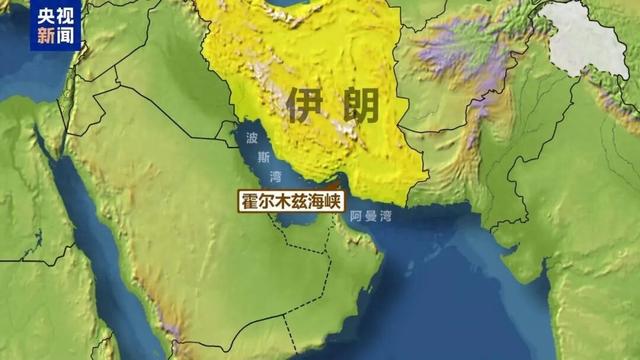
Group 1 - The ongoing geopolitical tension between the US and Iran is escalating, with the US military potentially preparing for strikes against Iran, employing a strategy of "small strikes" followed by "larger strikes" [1] - Iran possesses approximately 2,000 medium-range ballistic missiles, capable of reaching as far as western Turkey, Israel, and US military bases in the Gulf region, indicating its ability to retaliate if attacked [1] - The Strait of Hormuz is a critical geopolitical asset for Iran, through which about 20% of the world's oil supply is transported, and Iran has threatened to close this strait in the event of military action [2][1] Group 2 - The international oil prices have reached new highs amid the escalating US-Iran confrontation, and a conflict could severely disrupt the global energy supply chain, affecting even the US economy [2] - Iran's historical experience with negotiations, particularly the 2015 nuclear deal, has made it wary of compromising, as past concessions did not lead to lasting peace but rather further aggression [4][5] - The current standoff is seen by Iran as a matter of national survival and dignity, with the Supreme Leader emphasizing that true national strength comes from the will of the people, not just military might [5][1] Group 3 - The potential for a prolonged conflict poses risks for the US, as its military operations in Iran would be complicated by the country's strong military capabilities and regional networks, which could lead to a drawn-out engagement [7] - The political implications for the US are significant, as a long-term war could contradict President Trump's campaign promise to end endless wars, potentially jeopardizing his support among key voter groups [7][1] - The ongoing struggle reflects a complex interplay of military strength, geographical significance, historical lessons, and current political realities, with both sides testing each other's limits [10][1]

美正在从叙利亚撤军,与美伊博弈是否有关?
Xin Lang Cai Jing· 2026-02-19 03:32
Group 1 - The core point of the article is that the United States is withdrawing approximately 1,000 troops from Syria, ending a military presence that has lasted for 10 years [1] - The withdrawal includes the completion of operations at the Tanf military base near the Jordan and Iraq borders, as well as the Al-Shaddadi military base in northeastern Syria, with plans to withdraw from remaining positions within the next two months [1] - The decision to withdraw is influenced by the near dissolution of the Syrian Democratic Forces, which are predominantly led by Kurdish fighters, leading the Trump administration to conclude that a military presence is no longer necessary [1] Group 2 - The article mentions that the U.S. withdrawal is not related to potential military actions against Iran, despite threats from Iran to retaliate against U.S. forces in the region if airstrikes occur [1] - The U.S. military presence in Syria began in 2015 as part of a coalition to combat the extremist group ISIS, following the formation of an international coalition in September 2014 [1] - Future diplomatic relations are anticipated to improve between the U.S. and the Syrian transitional government, with a notable visit from Syrian leadership to the U.S. expected in November 2025 [2]
油价上行的核心催化因素有哪些?
Mei Ri Jing Ji Xin Wen· 2026-02-13 01:27
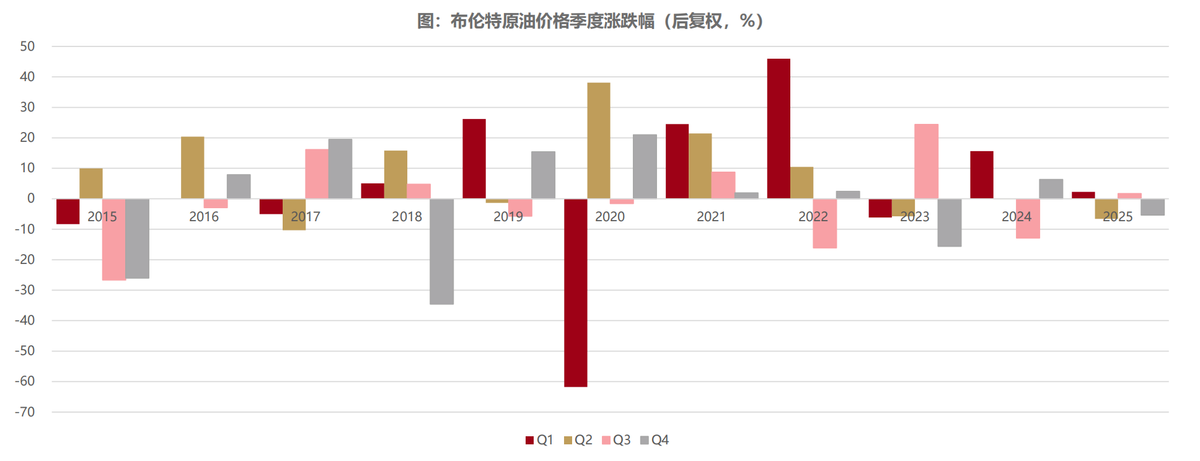
Group 1 - The core viewpoint of the articles indicates that geopolitical tensions and inventory risks have reversed the market consensus on falling oil prices, with recent oil price movements being primarily driven by emotional trading [1][2] - Extreme winter weather in the U.S. has increased heating demand and disrupted oil production and refining, leading to a substantial contraction in physical oil supply, thus supporting international oil prices [1] - Recent supply disruptions, such as the interruption of operations at the Caspian pipeline and power outages at Kazakhstan's Tengiz oil field, have also provided support for international oil prices [1] Group 2 - The U.S.-Iran negotiations have introduced volatility in oil prices, with initial diplomatic talks potentially seen as bearish, but subsequent news of possible breakdowns in talks led to a surge in oil prices [2] - The ongoing geopolitical struggle between the U.S. and Iran is expected to continue affecting international oil prices due to significant differences in their core demands [2] - The shipping situation in the Strait of Hormuz is critical, as approximately 20% to 30% of global oil maritime trade passes through this route, and any disruption could significantly impact global oil supply and prices [3] Group 3 - The current geopolitical risks, particularly the U.S.-Iran situation, are the main focus, while other regional conflicts have temporarily subsided [4] - The U.S. has historically acted to suppress oil prices to alleviate inflation and weaken Russia's position in the ongoing Ukraine conflict, but this influence is diminishing [4][5] - As the midterm elections approach, the U.S. may have less motivation to suppress oil prices, potentially leading to a rebound in oil prices [5] Group 4 - Recent analyses suggest that the oil market is experiencing a shift, with several institutions raising their oil price forecasts, indicating a potential upward trend in oil prices [5] - The first and second quarters typically see a strengthening trend in oil prices due to policy implementations and geopolitical events, although this calendar effect should not be solely relied upon for investment decisions [6] - The current upward trend in oil prices is supported by ongoing geopolitical conflicts and potential adjustments in OPEC policies, with expectations of a rebound in oil prices as high-cost production begins to exit the market [8]
美伊博弈加剧:华盛顿考虑扣押伊朗油轮,德黑兰强硬回应军事威胁
Xin Lang Cai Jing· 2026-02-11 14:39
Group 1 - The core viewpoint of the article highlights the ongoing tensions between the U.S. and Iran, with the U.S. considering further military and economic pressure on Iran, while Iran firmly states that its missile capabilities are not negotiable [1][3]. - The U.S. government is contemplating the seizure of Iranian oil tankers to increase economic pressure on Tehran, with over 20 vessels already sanctioned since 2026 [1]. - Analysts warn that such actions could provoke Iranian retaliation, potentially escalating tensions in the region and impacting global oil prices [1][3]. Group 2 - Iranian officials have made clear statements during the 47th anniversary of the Islamic Revolution, asserting that discussions about Iran's missile capabilities are off the table [5]. - Iran's leadership has criticized the U.S. for combining threats with negotiations, indicating a consistent pattern of behavior [6]. - Iranian President Pezeshkian emphasized that Iran does not seek nuclear weapons and is open to verification, but also highlighted the severe distrust towards the U.S. and Europe as a barrier to successful dialogue [6].
一队人到北京后,伊朗代表对美硬气划红线,特朗普:必须加税25%
Sou Hu Cai Jing· 2026-02-11 01:15
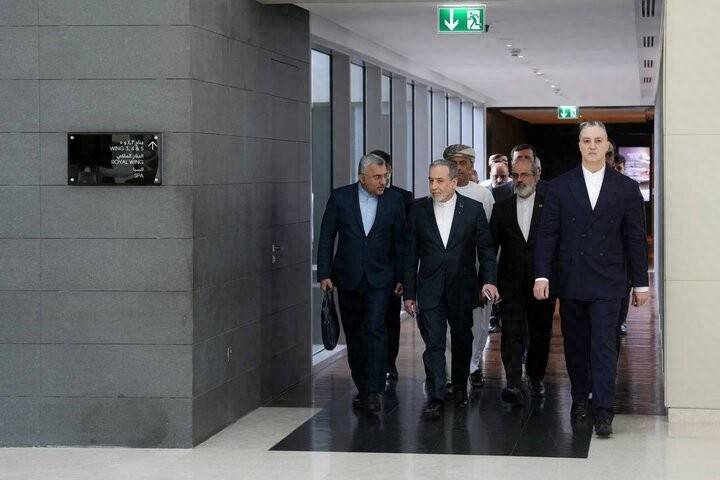
Core Viewpoint - The recent face-to-face negotiations between the U.S. and Iran in Muscat, Oman, ended without significant progress, as Iran firmly rejected key U.S. demands regarding nuclear enrichment, missile programs, and support for regional proxies [1][4][9]. Group 1: U.S. Demands and Iran's Response - The U.S. presented three main demands to Iran: halt uranium enrichment activities, limit ballistic missile programs, and cease support for regional proxies, which Iran categorically rejected [1][5]. - Iran expressed willingness to negotiate on nuclear issues but firmly stated that its missile program is non-negotiable, highlighting its importance to national defense [3][5]. - Iran's representatives displayed confidence during negotiations, emphasizing their unwillingness to compromise on core issues, particularly missile development [5][9]. Group 2: Diplomatic Context and Support - Iran's recent diplomatic engagement with China provided additional strategic support, as China opposed unilateral sanctions and promised to facilitate dialogue between the U.S. and Iran [7]. - Iran indicated a limited flexibility regarding uranium enrichment levels and purity, contingent upon the U.S. lifting sanctions on banking and oil sectors and withdrawing military assets from the region [7][11]. Group 3: U.S. Strategy and Economic Measures - The U.S. adopted a confrontational stance, imposing a 25% tariff on any country engaging in business with Iran, which reflects a broader strategy of economic pressure rather than genuine negotiation [4][9][11]. - The U.S. also announced sanctions on 15 entities and 14 vessels related to Iranian oil trade, indicating a dual approach of negotiation and economic coercion [11][13]. Group 4: Future Implications - The ongoing U.S.-Iran tensions suggest that the negotiations may not yield fruitful results, as both sides maintain clear and opposing positions on critical issues [13][14]. - The dynamics of the Middle East peace process are unlikely to shift without mutual respect for core interests, indicating that the U.S. approach may hinder rather than help resolution efforts [14].
美伊今日谈判,波斯湾剑拔弩张,“火药桶”会否被引爆?
Xin Lang Cai Jing· 2026-02-06 10:41
Core Viewpoint - The situation between the U.S. and Iran is highly tense, with the potential for military conflict increasing due to U.S. troop deployments and diplomatic pressures [3][6]. Group 1: U.S. Actions and Strategy - The U.S. is combining extreme pressure tactics with military posturing against Iran, while still leaving the door open for diplomatic negotiations [6]. - Israel has set forth three demands for any agreement with Iran: no nuclear weapons, no development of ballistic missile capabilities, and no support for regional terrorist groups, indicating that U.S. conditions are likely to be stringent [6]. - The likelihood of U.S. military action against Iran is rising, influenced by the positions of U.S. allies in the region, particularly Arab nations and Turkey, who are wary of the consequences of such an attack [6][7]. Group 2: European Involvement - European countries, traditionally mediators in U.S.-Iran tensions, are currently aligning with U.S. actions, including designating Iran's Revolutionary Guard as a terrorist organization [7]. - The European stance is partly influenced by Iran's position on the Russia-Ukraine conflict and aims to divert attention from U.S. domestic issues [7]. Group 3: Iran's Response - Iran is adopting a dual approach of diplomacy and military readiness, seeking to negotiate while also demonstrating military strength to deter U.S. aggression [8]. - Iran aims to limit negotiations to nuclear issues, avoiding discussions on missile programs, but faces high demands from the U.S. that may complicate this strategy [8]. Group 4: Future Scenarios - Three potential outcomes for the U.S.-Iran situation are identified: a negotiated compromise leading to U.S. troop withdrawal, a U.S. military strike resulting in Iranian retaliation and regional instability, or prolonged U.S. pressure leading to resource depletion for Iran [9]. - The current environment is characterized by both sides seeking to leverage military capabilities for political negotiations, but the escalating tensions may limit the space for dialogue [9][10].
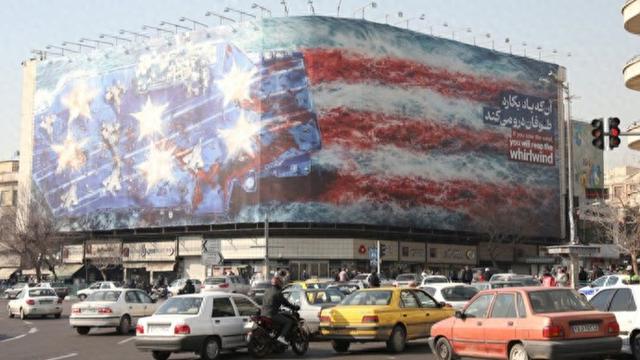
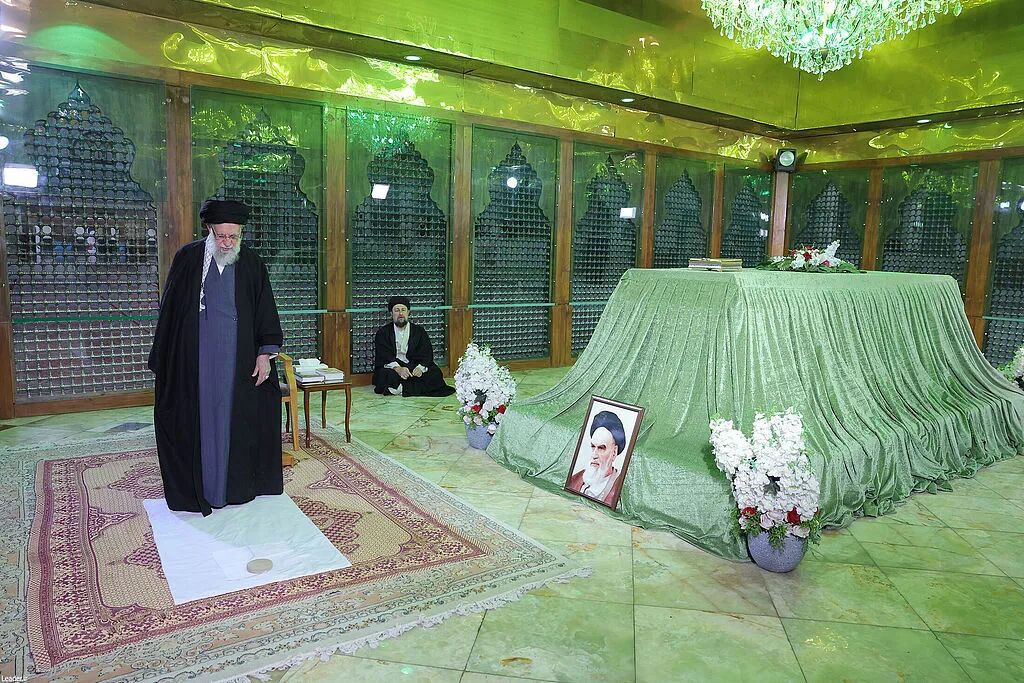
特殊时刻,哈梅内伊露面
Xin Lang Cai Jing· 2026-02-01 12:03
Group 1 - The core message from Iranian Supreme Leader Khamenei is a stern warning to the United States, indicating that any attempt to provoke war will lead to a regional conflict rather than a localized one [1][3] - Khamenei emphasized that Iran will not initiate war but will respond decisively to any aggression or harassment from other forces [1] - His recent public appearances are interpreted as a demonstration of Iran's determination to resist U.S. actions and a signal of his personal health and security [3] Group 2 - Khamenei's remarks come amid U.S. military buildup in the region, including discussions about deploying aircraft carriers and other military assets [1] - The timing of Khamenei's statements coincides with the 47th anniversary of the Iranian Islamic Revolution, marking a significant historical moment for Iran [3] - Analysts suggest that Khamenei's visibility at this critical juncture reinforces Iran's control over domestic affairs and its ongoing strategic posture against the U.S. [3]
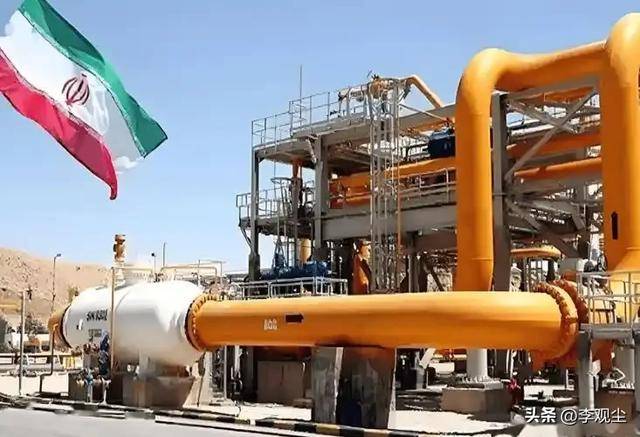
美国锁死伊朗能源命脉,新一轮制裁落地,中东地缘棋局生变
Sou Hu Cai Jing· 2026-01-24 13:22
Group 1 - The core point of the article is that the recent sanctions imposed by the U.S. on Iran are a continuation and escalation of a long-standing strategy aimed at crippling Iran's oil and gas industry, which is vital for its economy [2][4][5] - The sanctions specifically target eight entities related to energy trade and nine oil tankers, indicating a focused effort to disrupt Iran's energy supply chain [2][5] - The U.S. has shifted its strategy to include sanctions on foreign entities involved in Iran's energy sector, aiming to cut off Iran's access to global markets without direct confrontation [7][9] Group 2 - The sanctions are part of a broader strategy to exert maximum pressure on Iran, as traditional methods have failed to destabilize the Iranian regime [9][11] - The U.S. military presence in the region has increased, with a significant naval deployment, signaling a potential escalation in military tensions [11][13] - Both the U.S. and Iran are engaging in psychological warfare, with each side making strong statements while avoiding direct military conflict due to mutual concerns [13][15] Group 3 - The geopolitical landscape in the Middle East is shifting, with traditional allies like Saudi Arabia and Qatar becoming more independent in their foreign policy decisions, opting for mediation rather than blind support for U.S. actions [24][26] - The evolving dynamics indicate a move towards a multipolar approach in the region, where countries are prioritizing their own interests over alignment with major powers [26][28] - The ongoing conflict and sanctions are not only affecting Iran but also pose risks to global energy security and economic recovery, highlighting the interconnectedness of regional and global markets [30]
美伊博弈进入“权衡期” 金价高位回调1030元
Jin Tou Wang· 2026-01-16 02:25
Group 1 - The current spot gold price is 1030.75 CNY per gram, down 3.05 CNY from the previous trading day, reflecting a decrease of 0.30% [1] - The opening price for the day was 1034.27 CNY per gram, with a daily high of 1035.18 CNY and a low of 1029.20 CNY [1] Group 2 - The U.S. is delaying military action against Iran, with President Trump consulting with his team and allies on the timing and potential impact on the Iranian regime [2] - There is a significant divide among U.S. allies regarding the risks of military action against Iran, balancing the desire to punish Iran with concerns over large-scale retaliation [2] - The U.S. has announced new sanctions against Iranian officials and military leaders, while Trump remains open to diplomatic engagement with Iran, contingent on clear commitments from Iranian leadership [2] Group 3 - The gold market is currently experiencing a volatile phase, with price fluctuations around 20 USD and a clear battle between bulls and bears [3] - Technical analysis indicates strong resistance above, with significant bearish candlestick patterns and long upper shadows, suggesting strong selling pressure [3] - Support is concentrated around the 4570 CNY level, which is critical for maintaining bullish momentum; a breach below this level could lead to further declines [3]