中低收入人口精准施策

Search documents
李迅雷专栏 | 消费补贴要加大力度、考虑长远,对中低收入人口精准施策
中泰证券资管· 2025-04-02 08:13
Core Viewpoint - The article emphasizes the importance of boosting consumption as a key task for economic growth in 2025, highlighting the government's initiatives and policies aimed at stimulating consumer spending and improving living standards [2][4][5]. Group 1: Consumption Growth and Economic Impact - In the first two months of 2025, China's retail sales of consumer goods reached 83,731 billion yuan, showing a year-on-year growth of 4.0%, indicating a recovery trend in consumption [4]. - The growth in retail sales is supported by policies such as the "trade-in" program, which has significantly boosted sales in categories like home appliances and electric vehicles [5][6]. - The article suggests that achieving a consumption growth rate of over 5% this year is crucial for meeting GDP targets, with ongoing government policies expected to play a significant role [4][5]. Group 2: Policy Measures and Consumer Confidence - The government has increased the budget for the "trade-in" subsidy program to 300 billion yuan, which could potentially drive 2 trillion yuan in consumption, thereby enhancing consumer confidence [5][6]. - It is essential to differentiate between policy-driven consumption increases and natural consumer demand, as the effectiveness of subsidies may vary across different income groups [6][10]. - The article stresses the need for a comprehensive approach to improve consumer confidence, including long-term strategies to raise income levels and enhance social security [9][12]. Group 3: Targeting Low-Income Populations - The article highlights the importance of targeted measures to increase the income of low- and middle-income groups, as their consumption behavior is more sensitive to income changes [12][14]. - Suggestions include optimizing the wage system in state-owned enterprises and improving unemployment insurance processes to support those in need [14][15]. - The potential for rural consumption growth is noted, with a focus on providing targeted subsidies to narrow the income gap between urban and rural populations [13][15]. Group 4: Service Consumption and Urbanization - The article points out that service consumption is growing faster than physical goods consumption, indicating a shift in consumer preferences [15][16]. - Urbanization policies that encourage population movement to larger cities could further stimulate service consumption, as larger urban areas benefit from economies of scale [16].

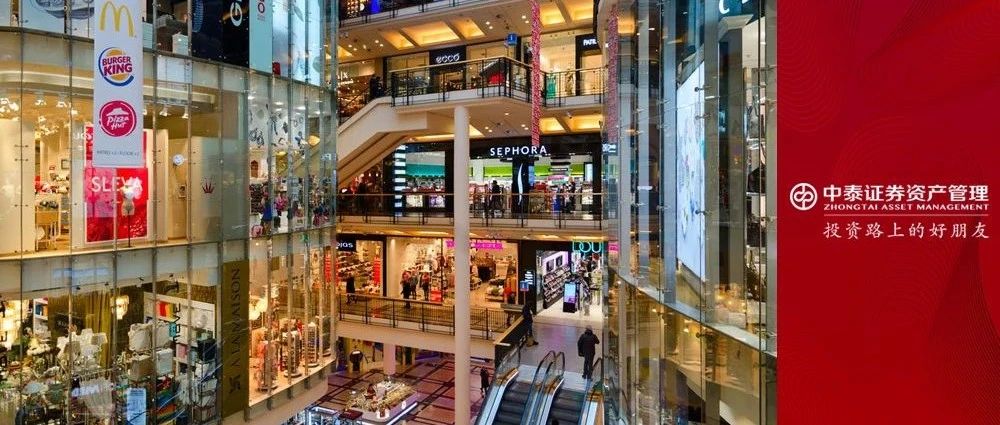
专访中泰国际李迅雷:消费补贴要加大力度、考虑长远,对中低收入人口精准施策
21世纪经济报道· 2025-03-27 12:25
Core Viewpoint - The article emphasizes the importance of boosting consumer confidence and increasing the income of low- to middle-income individuals as key strategies for stimulating domestic consumption and economic growth in China [1][5]. Group 1: Consumption Growth and Economic Impact - In the first two months of this year, China's total retail sales of consumer goods reached 837.31 billion yuan, showing a year-on-year growth of 4%, which is an acceleration of 0.5 percentage points compared to the previous year [6][7]. - The consumption structure has shown significant support from categories such as sports and entertainment products, with double-digit growth in home appliances, furniture, and communication equipment, while automotive consumption has slightly declined [6][7]. - The government has introduced a series of policies aimed at boosting consumption, and it is believed that consumption growth could exceed 5% this year, which is crucial for achieving the GDP growth target [7]. Group 2: Policy Measures and Subsidies - The "old-for-new" consumption policy has been effective, with last year's subsidies of 150 billion yuan leading to 1 trillion yuan in corresponding consumption, particularly benefiting home appliances, electric vehicles, and mobile phones [8][9]. - This year, the subsidy scale for the "old-for-new" policy has increased to 300 billion yuan, which could potentially drive 2 trillion yuan in consumption, contributing approximately 4 percentage points to overall consumption growth [8][9]. - There is a need to differentiate between policy-driven consumption increases and inherent consumer demand, as the current "old-for-new" policy primarily benefits discretionary spending rather than essential goods [9]. Group 3: Income Growth and Structural Reforms - Increasing residents' income is essential for boosting consumption, with suggestions for enhancing social security measures and optimizing the wage system in state-owned enterprises [12][16]. - The article highlights the importance of targeted subsidies for low-income populations, as rural consumption is growing faster than urban consumption, indicating significant potential in rural markets [15][18]. - The government is encouraged to simplify unemployment insurance processes and increase support for unemployed individuals to enhance their purchasing power [17]. Group 4: Service Consumption and Urbanization - Service consumption in China has been growing faster than physical goods consumption, indicating a shift in consumer behavior and preferences [19]. - Urbanization policies that encourage population movement to larger cities could further stimulate service consumption, as larger urban areas benefit from economies of scale [19].