
中医外治

Search documents
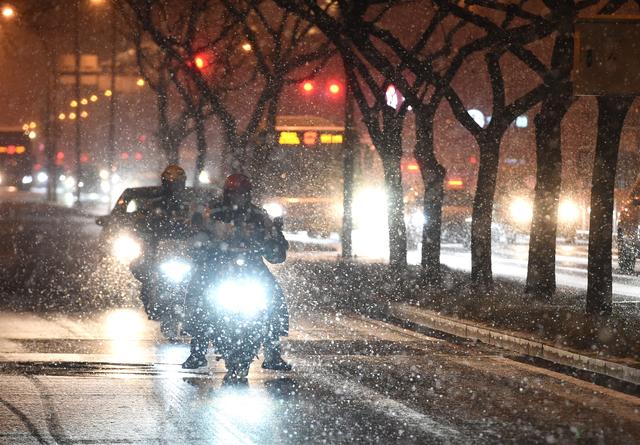
天冷“冻成一团”?这份“抵御锦囊”请收好
Bei Jing Ri Bao Ke Hu Duan· 2026-01-19 11:20
Core Viewpoint - The article discusses the impact of a cold wave on public health, emphasizing the importance of preventive measures and proper responses to health issues arising from extreme cold weather [1]. Group 1: Cold Weather Health Risks - The cold wave is expected to cause significant health issues, including joint pain and increased risk of cardiovascular diseases due to temperature drops [1][4]. - Symptoms such as joint pain are attributed to "cold invasion" and require warming treatments, including lifestyle adjustments and traditional Chinese medicine [1][3]. Group 2: Preventive Measures - Recommendations for cold weather include dressing warmly, especially protecting the waist, abdomen, feet, and neck, and incorporating warming foods like ginger into diets [1][3]. - Experts advise against excessive inactivity during winter and suggest moderate exercise in warmer conditions to maintain health [3]. Group 3: Emergency Response - In cases of sudden health emergencies like cardiac arrest, immediate actions such as checking consciousness, calling emergency services, and performing chest compressions are crucial [4][5]. - Misconceptions about emergency responses, such as folk remedies for fainting, can worsen conditions; proper medical advice is essential [5]. Group 4: Respiratory Disease Prevention - The cold wave increases the risk of respiratory diseases like influenza and pneumonia, particularly among vulnerable populations such as the elderly and children [6][7]. - Vaccination is highlighted as a key preventive measure against influenza, with recommendations for annual vaccinations for individuals over six months old [7][8].

小寒大寒养生指南:中医教你应对关节冷痛与温差不适
Huan Qiu Wang· 2026-01-14 03:41
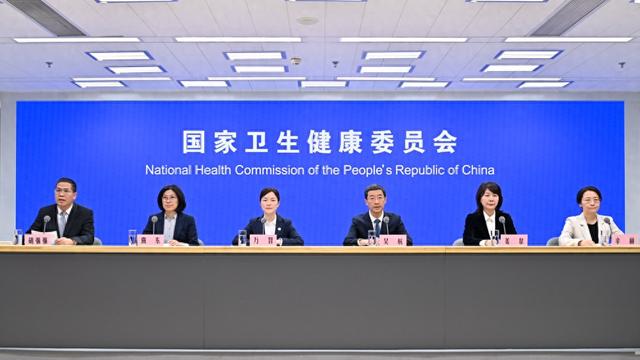
Core Viewpoint - The National Health Commission of China emphasizes the importance of health management during the winter solstice periods, particularly focusing on joint care, temperature adaptation, and winter exercise recommendations based on traditional Chinese medicine principles [1][3]. Group 1: Joint Pain Management - Joint pain in winter is attributed to the invasion of cold and obstruction of yang energy, leading to issues such as pain and stiffness [3]. - Recommendations for managing joint discomfort include lifestyle adjustments focusing on clothing, diet, and exercise, such as wearing warm clothing, consuming warming foods like ginger and cinnamon, and engaging in gentle physical activities [3]. - External treatments like Sanjiu plaster and moxibustion are suggested for alleviating joint pain, with a caution to seek medical evaluation before use [3]. Group 2: Temperature Adaptation Techniques - Significant temperature differences in winter can cause blood vessel contraction and blood pressure fluctuations, indicating a temporary imbalance in the body's yin-yang and blood circulation [4]. - Three acupuncture points are highlighted for quick relief from discomfort caused by temperature changes: Fengchi and Taiyang for head discomfort, and Neiguan for stabilizing the heart and calming the mind [4][5]. Group 3: Winter Health Practices - The debate between "hibernating" and "winter exercise" is addressed, suggesting a balanced approach to both practices to avoid stagnation of qi and to promote health [6]. - "Winter exercise" should be moderate to enhance physical resilience without excessive sweating, which can lead to energy loss and decreased immunity [6]. - The emphasis is on maintaining a balance between rest and activity during winter to support overall health [6].
告别“老寒腿”困扰 科学养护是关键
Xin Lang Cai Jing· 2026-01-13 21:57
Core Viewpoint - Knee osteoarthritis, commonly referred to as "old cold legs," is a prevalent condition among the elderly, characterized by knee pain, swelling, and limited mobility, with traditional treatments often leading to gastrointestinal or liver-kidney burdens. Traditional Chinese medicine (TCM) external treatment methods are gaining popularity as a safe and convenient conservative treatment option [1]. Summary by Sections Symptoms of Knee Osteoarthritis - TCM categorizes knee osteoarthritis as "bone bi" or "knee bi," attributing its root cause to liver and kidney deficiency, along with invasion by wind, cold, and dampness, leading to poor circulation of qi and blood, and malnourishment of muscles and bones [2]. TCM External Treatment Methods - TCM external treatment methods intervene in knee osteoarthritis through various approaches, including topical herbal applications, acupuncture, and massage, which improve blood circulation and reduce inflammation. These methods are characterized by their multi-faceted and holistic approach, making them less invasive and more suitable for elderly patients or those with liver and kidney dysfunction [3]. Common TCM External Treatment Methods 1. **Warm Therapy**: - **Moxibustion**: Involves using ignited moxa sticks near knee joint acupuncture points to provide warmth and stimulate qi, effectively alleviating cold pain and stiffness [4]. - **Fire Cupping**: Combines the warming effects of moxibustion with negative pressure suction to enhance blood circulation and reduce inflammation, particularly beneficial for patients with cold-damp obstruction [5]. 2. **Manual Therapy**: - **Massage**: Utilizes techniques such as pressing and kneading to relieve muscle stiffness around the knee joint, promoting blood flow and improving joint mobility [6]. - **Needle Knife Therapy**: A minimally invasive technique that releases adhesions in soft tissues around the knee, restoring mechanical balance and alleviating deep pain [7]. 3. **Topical Herbal Applications**: - **Fumigation and Soaking**: Involves using herbal decoctions to steam or wet the knee joint, promoting absorption of medicinal properties through the skin, effectively reducing swelling and inflammation [9]. - **Plaster Application**: Directly applying herbal plasters to the painful areas of the knee, allowing for sustained local action and avoiding gastrointestinal irritation from oral medications [10]. Considerations for TCM External Treatments - While TCM external treatments are beneficial, they should be administered under professional guidance, especially during acute inflammatory phases. Caution is advised for patients with severe osteoporosis or skin lesions. Emphasis is placed on preventive measures, including regular exercise and maintaining a healthy lifestyle to delay knee degeneration and improve quality of life [11].