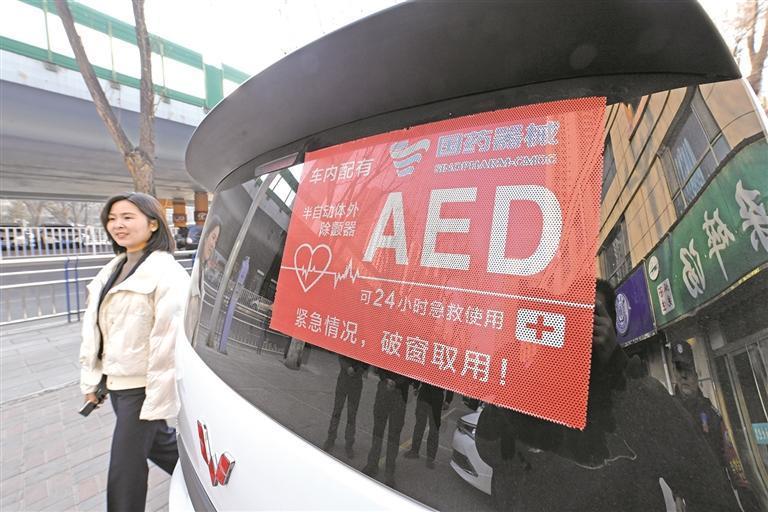
AED(自动体外除颤器)

Search documents
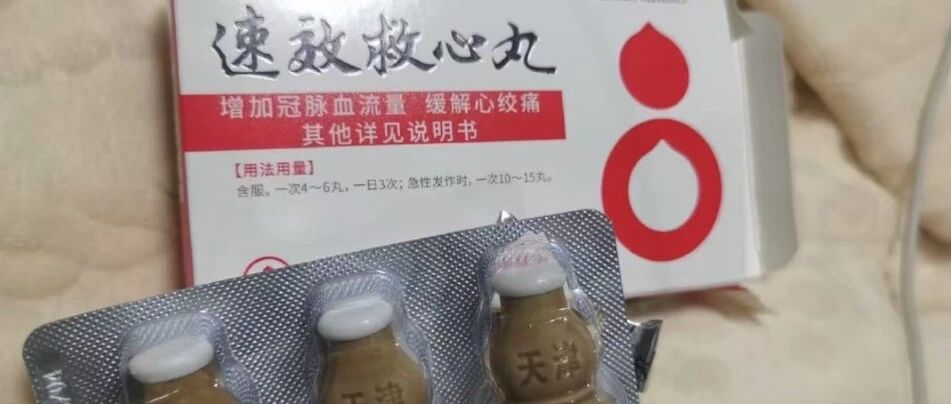
心源性猝死引关注!心脏药物搜索量激增30倍,专家提醒三大护心关键
21世纪经济报道· 2026-03-28 06:20
Core Insights - The article highlights the increasing public concern over sudden cardiac arrest incidents, leading to a surge in the demand for heart-related medications and supplements [1][4]. Group 1: Surge in Demand for Heart Medications - There has been a significant increase in the search volume for heart medications such as "速效救心丸" and "硝酸甘油," with a reported growth of over 30 times compared to previous periods [1]. - The search volume for AEDs and related medical devices has increased tenfold, while the demand for heart health supplements like Coenzyme Q10 has surged by over eight times [1]. Group 2: Expert Opinions on Heart Health - Experts caution that relying solely on medications like nitroglycerin may not be safe, especially in cases of low blood pressure, as it can lead to severe complications [4]. - The article emphasizes the importance of immediate CPR and the use of AEDs in improving survival rates for cardiac arrest victims [4]. Group 3: Heart Health Management Recommendations - Recommendations for high-pressure professionals include maintaining a regular sleep schedule of at least 6 hours, engaging in 2-3 hours of aerobic exercise weekly, and avoiding excessive consumption of high-carb or high-fat foods, particularly at dinner [5]. - Reducing smoking and managing body weight to maintain a healthy BMI are also advised to protect cardiovascular health [5].

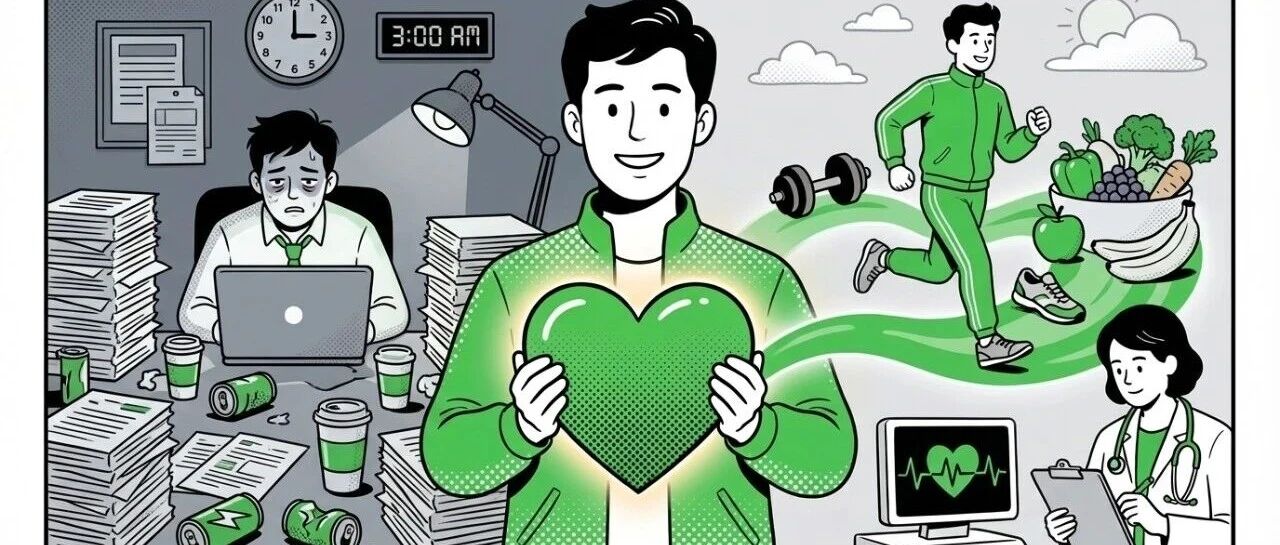
守护心脏健康,这份攻略请各位创业者查收 | 创业Lifestyle
红杉汇· 2026-03-26 00:03
Core Insights - The article serves as a heart health action guide specifically for entrepreneurs, covering risk identification, self-assessment, daily prevention, and emergency response [2][4] - Entrepreneurs face a high-risk environment due to chronic stress, lack of sleep, and overwork, which are often structural issues rather than isolated incidents [2][4] - A commonly overlooked health indicator in check-ups is mildly elevated troponin levels, which pose significant risks even in the absence of acute heart disease symptoms [2] - The belief that youth or regular exercise guarantees safety can be misleading, as many sudden cardiac events occur in so-called low-risk individuals [2][4] - In case of a heart attack, the first step is to call emergency services (120), as they have the necessary equipment and medical personnel to provide care en route [2] Risk Factors - Data indicates that approximately 1 million new heart attack patients emerge annually in China, with an increasing incidence among individuals under 50, particularly entrepreneurs [4] - Chronic psychological stress leads to elevated cortisol levels, which can damage blood vessel walls and accelerate atherosclerosis, a core mechanism of heart disease [5] - Insufficient sleep (less than 6 hours) is linked to elevated blood pressure and increased risks for both the heart and brain, significantly raising mortality risk [6] - Overwork is not just a metaphor but a medical diagnosis, with "overwork death" being a real threat, particularly for those with existing vascular conditions [7] - Traditional risk factors such as smoking, hypertension, hyperlipidemia, and diabetes are often neglected by entrepreneurs due to their busy schedules, leading to compounded health issues [8] Health Check Recommendations - Essential blood indicators include total cholesterol, LDL-C, HDL-C, triglycerides, fasting blood sugar, and blood pressure, with specific target values for each [10][11] - Cardiac structure assessments should include both standard and dynamic electrocardiograms, as well as echocardiograms to evaluate heart function [12] - Body metrics like BMI and waist circumference are critical, with specific thresholds for both men and women to monitor obesity-related heart risks [13] Self-Monitoring and Daily Practices - Entrepreneurs are encouraged to use smartwatches for heart rate monitoring and to regularly check blood pressure at home [15][16] - Certain symptoms, such as unexplained dizziness, chest discomfort, or irregular heartbeats, should be taken seriously, especially in men over 35 [17] - Misconceptions about heart health, such as the belief that regular exercise alone ensures safety, need to be addressed, as excessive exercise can also pose risks [19][20][21] - Recommended lifestyle changes include engaging in at least 150 minutes of moderate aerobic exercise weekly, controlling salt intake to less than 5g per day, and ensuring adequate sleep quality [22][24][26] Emergency Response - Recognizing symptoms of a heart attack is crucial, including persistent chest pain and associated symptoms like cold sweat and difficulty breathing [26][27] - The first step in an emergency is to call 120 for professional help, as self-transport can delay critical care [28] - Immediate actions include keeping the patient calm, administering nitroglycerin if available, and performing CPR if the patient loses consciousness [29][30] - Knowing the location of an AED (Automated External Defibrillator) can be life-saving, as these devices are often available in public spaces [32]
天冷“冻成一团”?这份“抵御锦囊”请收好
Bei Jing Ri Bao Ke Hu Duan· 2026-01-19 11:20
Core Viewpoint - The article discusses the impact of a cold wave on public health, emphasizing the importance of preventive measures and proper responses to health issues arising from extreme cold weather [1]. Group 1: Cold Weather Health Risks - The cold wave is expected to cause significant health issues, including joint pain and increased risk of cardiovascular diseases due to temperature drops [1][4]. - Symptoms such as joint pain are attributed to "cold invasion" and require warming treatments, including lifestyle adjustments and traditional Chinese medicine [1][3]. Group 2: Preventive Measures - Recommendations for cold weather include dressing warmly, especially protecting the waist, abdomen, feet, and neck, and incorporating warming foods like ginger into diets [1][3]. - Experts advise against excessive inactivity during winter and suggest moderate exercise in warmer conditions to maintain health [3]. Group 3: Emergency Response - In cases of sudden health emergencies like cardiac arrest, immediate actions such as checking consciousness, calling emergency services, and performing chest compressions are crucial [4][5]. - Misconceptions about emergency responses, such as folk remedies for fainting, can worsen conditions; proper medical advice is essential [5]. Group 4: Respiratory Disease Prevention - The cold wave increases the risk of respiratory diseases like influenza and pneumonia, particularly among vulnerable populations such as the elderly and children [6][7]. - Vaccination is highlighted as a key preventive measure against influenza, with recommendations for annual vaccinations for individuals over six months old [7][8].

健康“小帮手”,用对才靠谱
Xin Lang Cai Jing· 2026-01-16 18:02
Group 1 - The increasing popularity of health devices such as AEDs, smart wristbands, and electronic blood pressure monitors is aiding public health management [1] - Proper usage of home medical devices requires professional evaluation and adherence to specific settings, as highlighted by experts [1] - Home monitoring data can be influenced by various factors, and adjustments to medication should not be made without medical advice [1] Group 2 - The Chinese government plans to promote the installation of AEDs in public places and communities as part of the healthcare strengthening initiative [2] - A responsible understanding and correct usage of health devices are essential for building a solid health defense [2]
健康管理小帮手别用错
Xin Lang Cai Jing· 2026-01-14 16:31
Group 1 - The core viewpoint of the articles emphasizes the importance of scientifically using health management devices and understanding their data, as well as the necessity of proper training in emergency response skills [1][6]. Group 2 - Home medical devices such as electronic blood pressure monitors and blood glucose meters are increasingly entering households, but there is a common misconception that they can be used without professional guidance [2]. - The use of home non-invasive ventilators requires professional diagnosis and regular adjustments based on individual health conditions, rather than being treated as simple consumer products [2]. - Accurate measurements with devices like electronic blood pressure monitors depend on proper cuff size and usage conditions, highlighting the need for awareness of operational details [2]. Group 3 - Wearable devices like smart bands and watches provide health monitoring data that should be viewed as lifestyle reminders rather than medical diagnostic tools [3]. - The accuracy of sleep monitoring features in wearable devices is limited compared to professional sleep studies, and users should not overly stress about occasional abnormal readings [3]. Group 4 - The Automated External Defibrillator (AED) is crucial for emergency response during cardiac arrest, with the first few minutes being critical for survival [4]. - Proper training in CPR and AED usage is essential for the public to effectively respond to emergencies, and there is a push for more AEDs in public spaces [5][6]. Group 5 - The promotion of AEDs must be accompanied by widespread training in emergency skills, with various organizations actively conducting public training sessions [6]. - The effectiveness of health management devices ultimately relies on the users' scientific literacy and understanding of their proper use [6].
踢球男子心脏骤停球友镇静救回
Xin Lang Cai Jing· 2026-01-10 04:04
Core Viewpoint - A heart-stopping incident occurred at a football venue in Yangzhou, where a player experienced cardiac arrest during a game. A fellow player, equipped with professional first aid skills and the venue's emergency equipment, successfully revived him within the critical "golden four minutes" [1] Group 1: Incident Details - The incident took place at the Yiy Sports Indoor Football Field in Yangzhou, where a player collapsed unexpectedly without any physical contact [1] - A senior player, Mr. Chen, who had first aid knowledge, took immediate action by calling for emergency services and requesting the Automated External Defibrillator (AED) [1] - The venue was equipped with AEDs and various medications as per safety requirements [1] Group 2: Rescue Efforts - Mr. Chen performed cardiopulmonary resuscitation (CPR) and used the AED, racing against time as the player showed signs of cardiac arrest and stopped breathing [1] - The player began to regain consciousness approximately 3 minutes and 50 seconds after the initiation of CPR [1] - Emergency services arrived shortly after, and the player was transported to a nearby hospital, ultimately recovering from the incident [1]
男子心脏骤停球友教科书式救人
Xin Lang Cai Jing· 2026-01-09 13:36
Core Points - A man in Yangzhou experienced cardiac arrest while playing soccer, leading to a critical situation where he stopped breathing [1] - A fellow player, Mr. Chen, took immediate action by instructing others to call emergency services and retrieve an AED [1] - Mr. Chen performed chest compressions and used the AED effectively, adhering to the crucial "golden four minutes" for resuscitation [1] - The man regained consciousness after approximately 3 minutes and was able to communicate shortly thereafter [1] - Emergency medical services arrived and transported the man to the hospital, where he ultimately recovered [1]
“健康小屋”开在家门口
Xin Lang Cai Jing· 2026-01-03 22:19
Core Viewpoint - The "Health Hut" project in Tieling City has been completed, marking a significant step in establishing a "15-minute health service circle" for the community [1] Group 1: Project Overview - The project includes 30 standardized "Health Huts" that will soon be trialed for public use [1] - Each hut is designed to be located in high-traffic public areas such as parks, supermarkets, sports venues, and government halls [1] - The huts are equipped with essential health equipment including AEDs, health monitoring devices, and first aid kits [1] Group 2: Objectives and Functions - The "Health Huts" aim to enhance the urban public health service network and address gaps in grassroots health services [1] - They serve three main functions: 1. Emergency rescue "outpost" to provide immediate assistance in crowded areas [1] 2. Self-management "convenience station" offering free self-testing equipment for chronic disease monitoring [1] 3. Knowledge acquisition "micro-classroom" providing health education materials and updates on disease prevention and emergency care [1]
西宁两辆巡护车配备AED设备,紧急情况可破窗使用
Xin Lang Cai Jing· 2025-12-25 19:23
Group 1 - The company Xining Xiongrui Security Service Co., Ltd. has equipped two patrol vehicles with AED (Automated External Defibrillator) devices [2] - The AED devices are marked with a label indicating "Emergency window breaking use" for public awareness [2] - The AED devices provide voice guidance upon activation, allowing bystanders to use them in emergencies without liability [2]
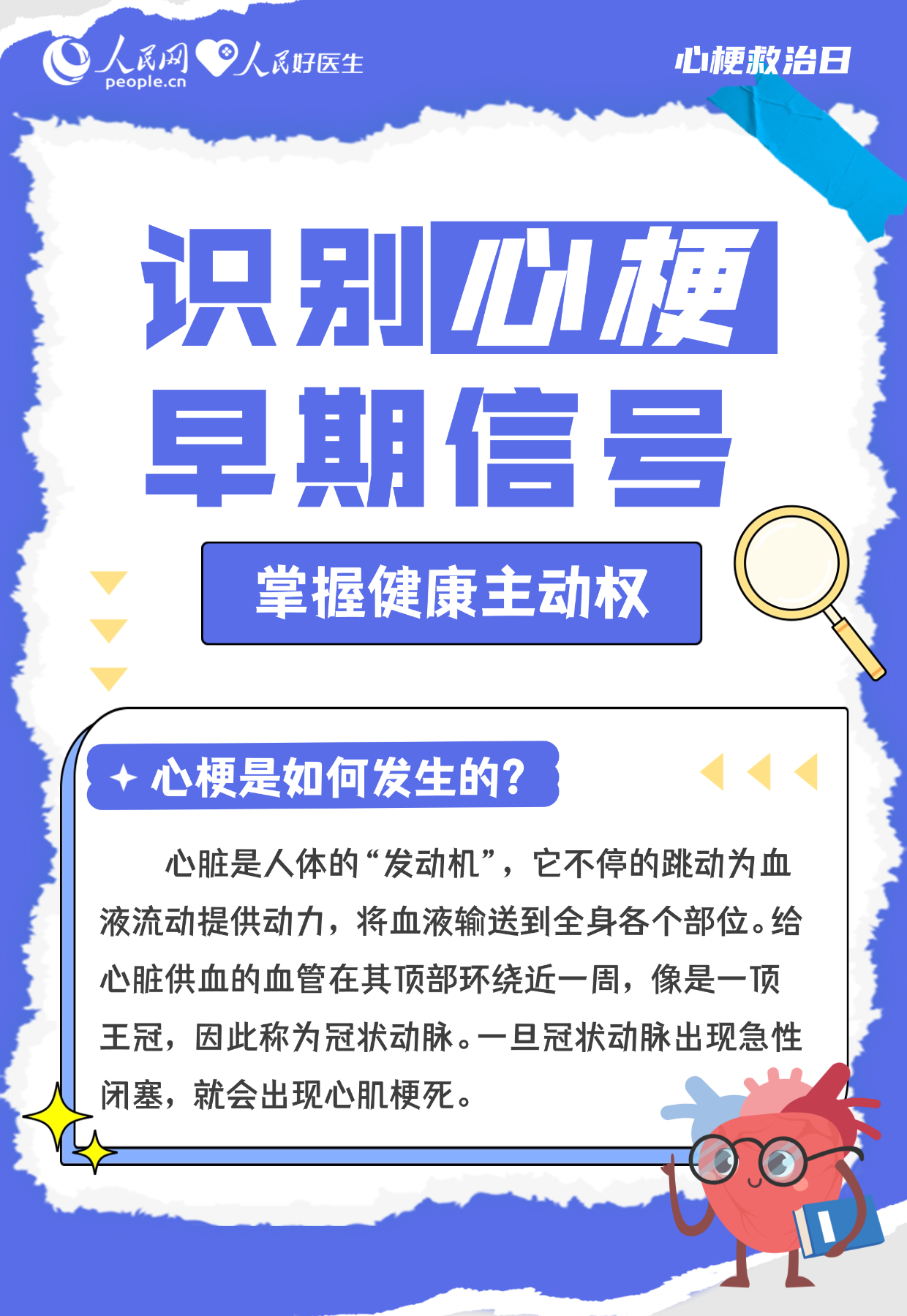
中国心梗救治日:看懂心梗信号 掌握健康主动权
Ren Min Wang· 2025-11-20 07:00
Core Viewpoint - The incidence and mortality rates of acute myocardial infarction (AMI) are increasing annually in China, particularly during the autumn and winter seasons when cardiovascular diseases are more prevalent due to lower temperatures, which heighten the risk of heart attacks [1]. Group 1: Symptoms of Acute Myocardial Infarction - Typical symptoms include severe chest pain lasting more than 15 minutes, which does not improve with rest or nitroglycerin [6]. - Chest pressure sensation, described as feeling like a heavy weight on the chest, may persist for several minutes or recur [7]. - Atypical symptoms may include radiating pain to the left shoulder, arm, jaw, or teeth, with women more likely to experience these non-typical symptoms [8]. - Other symptoms can include dizziness, weakness, cold sweats, pale complexion, difficulty breathing, nausea, and vomiting [10][11]. Group 2: Emergency Response Measures - Immediate actions include stopping all activities, lying down, and loosening tight clothing to calm down and improve oxygen supply to the heart [14]. - It is crucial to call emergency services promptly and provide accurate information about the patient's condition and medical history [15]. - If chest pain persists and blood pressure is stable, sublingual nitroglycerin may be administered; otherwise, alternative medications should be considered [16]. Group 3: Risk Factors and Causes - Risk factors for AMI include age, smoking, diabetes, hypertension, and a family history of heart disease [25]. - Common triggers for heart attacks include physical exertion, emotional stress, and unhealthy dietary habits [25]. - Atherosclerotic plaque rupture and coronary artery spasm due to various stimuli can lead to acute myocardial infarction [19][20]. Group 4: Prevention and Lifestyle Adjustments - Dietary recommendations emphasize low saturated fat and cholesterol intake, with a focus on fresh vegetables and whole grains [27]. - Maintaining a positive mindset and engaging in regular physical activity can benefit heart health [28]. - Avoiding excessive strain, monitoring high-risk factors, and adhering to prescribed medication regimens are essential for prevention [30][31][33].