
冬季养生

Search documents
冬天劝你多喝这4杯水,养气血、健脾胃、增强免疫力
Xin Lang Cai Jing· 2026-01-27 12:39
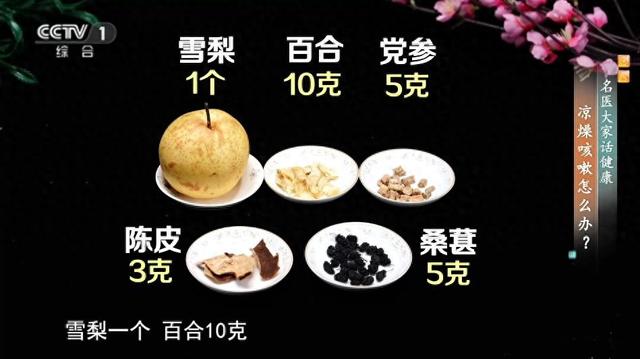
Group 1 - The article emphasizes the importance of hydration during the cold and dry winter season, suggesting various drinks to alleviate discomfort [1] - The Snow Pear and Lily Drink is highlighted for its ability to nourish yin and relieve dryness, addressing symptoms like dry cough and skin dryness [1][4] - The Longan, Cinnamon, and Red Date Tea is recommended for boosting yang energy and nourishing blood, particularly beneficial for individuals experiencing cold extremities and fatigue [4][7] Group 2 - The Red Fragrance Tea is suggested for regulating the spleen and stomach, helping to prevent gastrointestinal issues during winter [8] - The Ginger, Scallion, and Brown Sugar Drink is noted for enhancing immunity and preventing wind-cold colds, effective in alleviating symptoms like nasal congestion and cough [10][11]

三款经典养生粥 冬日专属滋养方
Xin Lang Cai Jing· 2026-01-26 19:00
Core Viewpoint - The article emphasizes the importance of specific nourishing porridge recipes during winter, which align with traditional Chinese medicine principles for health and wellness [1] Group 1: Porridge Recommendations - Walnut and Scallion Porridge is recommended for alleviating symptoms of cold and flu, utilizing ingredients like walnut, scallion, and ginger to warm the body and relieve cold symptoms [2] - Pearl and Jade Porridge is highlighted for its nourishing properties, combining yam, coix seed, and persimmon cake to support the spleen, lungs, and kidneys, particularly beneficial for those with dry conditions and fatigue [3] - Goji Berry Kidney Porridge is suggested for strengthening kidney health, using goji leaves and lamb kidney, aimed at individuals experiencing symptoms of kidney deficiency such as soreness and dryness [4]
大寒节气至 养生正当时
Xin Lang Cai Jing· 2026-01-20 00:24
Group 1 - The core idea of the article emphasizes the importance of traditional Chinese medicine (TCM) principles for health maintenance during the cold season, particularly focusing on the "Dahan" solar term, which is characterized by extreme cold and various health issues [2][5] - The article outlines the health risks associated with cold weather, including respiratory diseases and circulatory issues, and suggests that maintaining warmth and protecting the body's Yang energy is crucial [3][4] - Dietary recommendations include consuming warming foods such as lamb, beef, longan, and red dates, as well as traditional dishes like "Laba congee," which is rich in nutrients and aligns with the principle of "winter storage" [3][4] Group 2 - The article advocates for proper sleep and lifestyle adjustments, suggesting a routine of sleeping before 10 PM and waking after sunrise to avoid cold exposure and conserve Yang energy [4] - It highlights the need for tailored health strategies for different demographics, such as the elderly, children, office workers, and chronic disease patients, emphasizing specific dietary and activity recommendations for each group [4] - The article concludes by reinforcing the idea that following TCM principles can help individuals prepare for a healthier year ahead by addressing seasonal health challenges [5]
深圳一家4口被“补汤”放倒!全都肝脏“受伤”!
Xin Lang Cai Jing· 2026-01-19 08:58
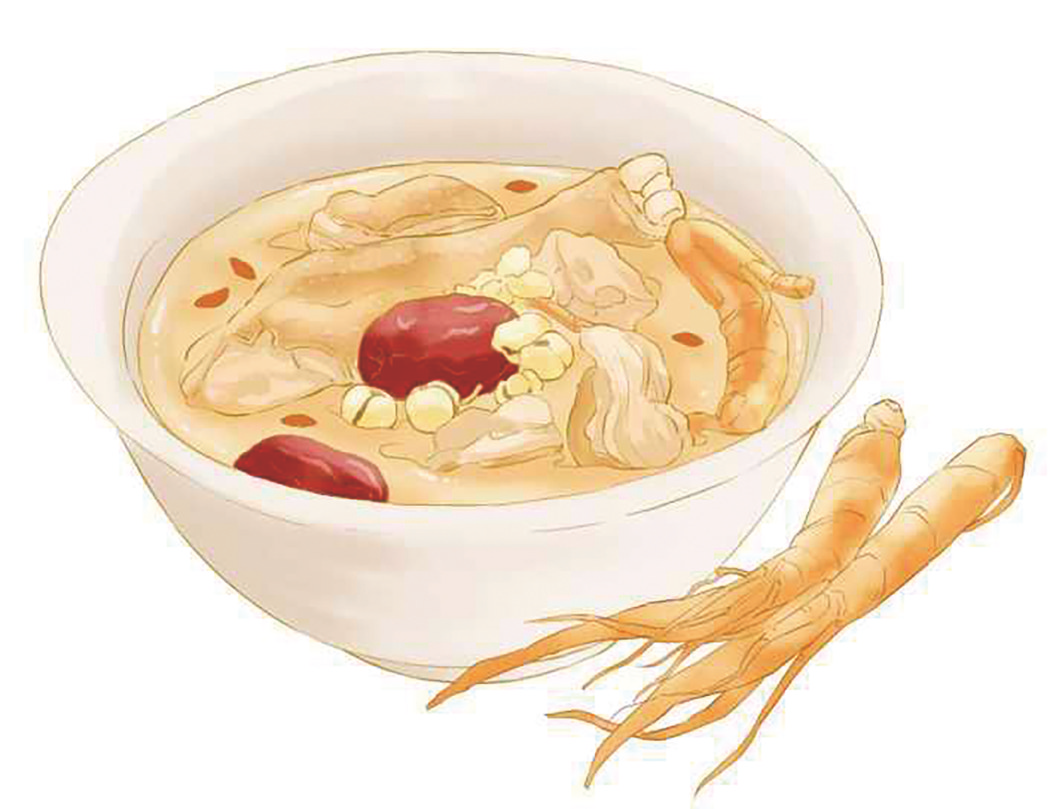
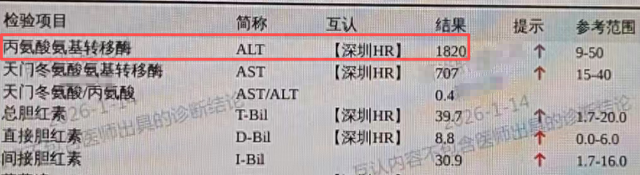
Core Viewpoint - The article highlights the dangers of consuming wild plants without proper knowledge, as demonstrated by a family in Shenzhen who suffered severe liver damage after consuming a soup made from a wild root, leading to hospitalization and treatment [1][4][6]. Group 1: Incident Overview - A family in Shenzhen consumed a soup made from "oil甘树根" (wild root) believing it to be a healthy supplement, resulting in severe gastrointestinal symptoms and liver dysfunction [1][2]. - The liver function tests revealed alarming results, with ALT levels reaching 1820 U/L, significantly above the normal range of 0-50 U/L, indicating severe liver damage [2][4]. Group 2: Medical Response - Upon hospitalization, the affected family members received systematic liver treatment, including intravenous and oral medications, leading to improvement in their conditions [5][6]. - All family members who consumed the soup were advised to undergo liver function tests, confirming that all had abnormal liver function indicators [4][6]. Group 3: Health Warnings - Medical professionals emphasized the risks associated with consuming wild plants, which may contain natural toxins that can harm liver cells, and cautioned against the misconception that "natural" equates to "safe" [7][9]. - The article warns against the difficulty of distinguishing between toxic and edible plants, highlighting the risks for non-experts [8][10]. Group 4: Safety Recommendations - The article advises against foraging and consuming unknown wild plants, urging individuals to avoid relying on anecdotal remedies that lack scientific backing [10][11]. - It stresses the importance of seeking medical attention immediately if symptoms such as nausea, vomiting, or fatigue occur after consuming unknown substances [12].
安稳过冬,掌握这些方法(健康驿站)
Ren Min Ri Bao Hai Wai Ban· 2026-01-15 22:44
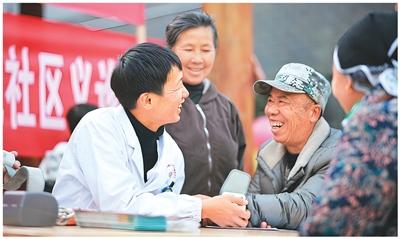
Group 1 - The health department in Huaihua City, Hunan Province, has organized mobile medical service teams to conduct free medical consultations in communities and villages, bringing health services directly to residents' doorsteps [2] - The National Health Commission has reported a decline in flu activity across provinces, but emphasizes the importance of vaccination and personal protection during the cold season [4][5] - Traditional Chinese medicine suggests that joint pain during winter is due to cold invasion and recommends protective clothing, warming foods, and specific acupuncture points for relief [5][6] Group 2 - Current flu activity in China has been decreasing for four consecutive weeks, remaining at a moderate epidemic level, with common pathogens identified as influenza virus, respiratory syncytial virus, and rhinovirus [6] - Annual flu vaccination is necessary for effective protection, as the vaccine's efficacy typically lasts 6 to 8 months, and the composition changes yearly based on virus mutations [6] - Public awareness and training in emergency response, such as CPR, are encouraged to improve survival rates during cardiac arrest situations [9][10] Group 3 - Home medical devices, including electronic blood pressure monitors and pulse oximeters, are becoming common, but users must be aware of proper usage and limitations [12][13] - Home treatment devices should only be used after professional evaluation, while monitoring devices require attention to detail to ensure accurate readings [12] - The public is advised to understand the role of wearable health monitoring devices and not to rely solely on their data for medical diagnoses [13]
小寒大寒养生指南:中医教你应对关节冷痛与温差不适
Huan Qiu Wang· 2026-01-14 03:41
Core Viewpoint - The National Health Commission of China emphasizes the importance of health management during the winter solstice periods, particularly focusing on joint care, temperature adaptation, and winter exercise recommendations based on traditional Chinese medicine principles [1][3]. Group 1: Joint Pain Management - Joint pain in winter is attributed to the invasion of cold and obstruction of yang energy, leading to issues such as pain and stiffness [3]. - Recommendations for managing joint discomfort include lifestyle adjustments focusing on clothing, diet, and exercise, such as wearing warm clothing, consuming warming foods like ginger and cinnamon, and engaging in gentle physical activities [3]. - External treatments like Sanjiu plaster and moxibustion are suggested for alleviating joint pain, with a caution to seek medical evaluation before use [3]. Group 2: Temperature Adaptation Techniques - Significant temperature differences in winter can cause blood vessel contraction and blood pressure fluctuations, indicating a temporary imbalance in the body's yin-yang and blood circulation [4]. - Three acupuncture points are highlighted for quick relief from discomfort caused by temperature changes: Fengchi and Taiyang for head discomfort, and Neiguan for stabilizing the heart and calming the mind [4][5]. Group 3: Winter Health Practices - The debate between "hibernating" and "winter exercise" is addressed, suggesting a balanced approach to both practices to avoid stagnation of qi and to promote health [6]. - "Winter exercise" should be moderate to enhance physical resilience without excessive sweating, which can lead to energy loss and decreased immunity [6]. - The emphasis is on maintaining a balance between rest and activity during winter to support overall health [6].

冬季养生方式升级,东阳光鲜虫草生态繁育体系走进大众视野
Xin Lang Cai Jing· 2026-01-07 00:40
Group 1 - The winter season has led to increased consumer focus on health management, with a notable rise in the use of health supplements like Cordyceps sinensis to combat issues such as decreased sleep quality and immunity [1][6] - The trend in using Cordyceps has shifted from concentrated intake during festive periods to more casual, daily consumption methods, such as infusing in water or soups, making it easier to integrate into daily routines [1][6] - The demand for quality-controlled Cordyceps has grown due to concerns over the stability of wild sources, influenced by climate change and overharvesting, prompting consumers to seek products with clear origins and consistent quality [1][2] Group 2 - Ecological breeding of Cordyceps is gaining attention, utilizing controlled environmental parameters to simulate natural growth, which enhances product uniformity and traceability while alleviating supply pressures from wild resources [2] - Dongyangguang has established a strong research advantage in the Cordyceps sector over 18 years, earning multiple accolades, including recognition as a "global pioneer in ecological Cordyceps" and various provincial awards [4] - The post-harvest processing of Cordyceps involves standardized procedures to ensure high-quality products, enabling year-round supply and stability during peak demand periods [5] Group 3 - Winter health management emphasizes a balanced and moderate approach rather than aggressive supplementation, with families increasingly adopting lighter methods of incorporating Cordyceps into their diets [6] - The emergence of ecologically bred Cordyceps has made this traditional supplement more user-friendly, allowing consumers to confidently include it in long-term health plans rather than relying solely on seasonal purchases [6] - As the industry moves towards standardization, the ecological breeding research and innovative models for Cordyceps are providing new options for consumers, making winter health management more scientific, transparent, and sustainable [6]


小寒后这菜使劲吃 一排痰、二通肠、三消食
Xin Lang Cai Jing· 2026-01-06 17:29
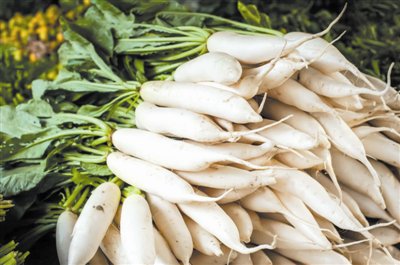
Core Viewpoint - The article emphasizes the health benefits of consuming white radish during the winter season, particularly after the minor solar term "Xiao Han," highlighting its effectiveness in addressing common winter ailments such as phlegm, digestive issues, and respiratory problems [2][3]. Summary by Sections Health Benefits of White Radish - White radish, known as "Lai Fu," is particularly suitable for winter health due to its cooling properties and ability to alleviate internal heat, which is common during this season [3]. - The three main health benefits of white radish include: 1. Promoting digestion and relieving food accumulation due to its content of mustard oil, which enhances gastrointestinal motility [3][4]. 2. Assisting in phlegm reduction and cough relief, making it beneficial for respiratory health during cold weather [5]. 3. Aiding in urination and clearing heat, thanks to its high water and fiber content that supports metabolism and waste elimination [6]. Consumption Guidelines - There are four key considerations for consuming white radish: 1. Different effects of raw and cooked radish; raw is better for clearing heat and thirst, while cooked is more effective for digestion and phlegm reduction [7]. 2. Balancing cold and hot foods; individuals with a cold constitution should pair radish with warming ingredients like ginger or lamb to avoid exacerbating cold symptoms [8]. 3. Caution for specific populations; those with qi deficiency or diarrhea should limit intake, especially when taking certain herbal medicines [9]. 4. Moderation is advised; excessive consumption can irritate the gastrointestinal tract, with a recommended daily limit of 500 grams [11]. Classic Recipes - Two traditional recipes featuring white radish are provided: 1. **Radish, Ginger, and Lamb Soup**: Combines white radish, lamb, and ginger to warm the body and aid digestion, suitable for those who are cold-sensitive [12][13]. 2. **Radish and Honey Drink**: A mixture of steamed white radish and honey that helps clear heat and soothe coughs, particularly beneficial for those with lung heat symptoms [14][15].
养藏防病 健康过冬
Xin Lang Cai Jing· 2026-01-05 18:44
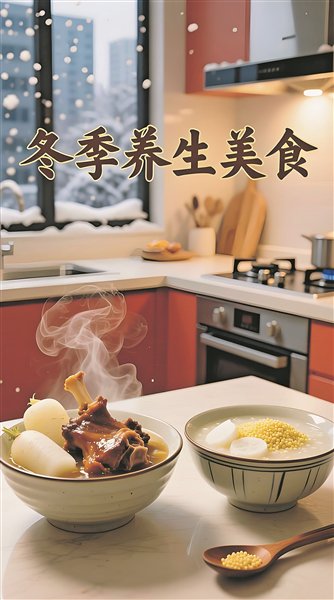
Core Viewpoint - The article emphasizes the importance of traditional Chinese medicine (TCM) in enhancing physical health and preventing diseases during the winter season, focusing on dietary, lifestyle, and emotional well-being strategies [2][4][5]. Group 1: Winter Health Principles - The core principle of winter health is "nurturing and storing," which involves preserving kidney essence and protecting yang energy to prepare for the coming year [2][3]. - Dietary recommendations include consuming warming foods such as beef, mutton, longan, walnuts, and goji berries, while maintaining a warm indoor environment [2][3]. Group 2: Prevention of Seasonal Diseases - Winter is a peak season for cardiovascular diseases; prevention focuses on enhancing bodily functions through diet and lifestyle adjustments [4]. - Dietary practices should include warm and light foods, adequate hydration, and maintaining emotional balance to prevent stagnation of qi and blood [4]. Group 3: Influenza Prevention - The prevention of influenza (H1N1) involves strengthening the body's defenses and avoiding external pathogens through dietary and lifestyle measures [5][6]. - Specific recommendations include consuming warming and nourishing foods, maintaining proper sleep patterns, and practicing gentle exercises [5][6]. Group 4: Children's Health - For children, enhancing resistance against respiratory infections involves dietary management, ensuring adequate sleep, and engaging in moderate outdoor activities [8][9]. - Parents are advised to prepare easily digestible foods and to monitor children's clothing to prevent overheating or excessive cold exposure [8][9]. Group 5: Elderly Care - The article discusses the management of "cold legs" in the elderly, emphasizing the need for comprehensive care that includes warmth, appropriate diet, and gentle exercise [10]. - Recommendations include using heat packs, consuming warming foods, and engaging in low-impact exercises like Tai Chi to improve joint health [10]. Group 6: Injury Prevention in Winter Sports - The article highlights the importance of proper warm-up routines to prevent injuries during winter sports activities [11]. - Suggested warm-up activities include aerobic exercises followed by dynamic stretching to prepare the body for physical exertion [11][12].
养生重在“温经散寒,固本培元”
Xin Lang Cai Jing· 2026-01-03 23:22
Group 1 - The article discusses the arrival of the winter solar term "Minor Cold" on January 5, indicating that many regions in China are experiencing their coldest period of the year [1] - Traditional Chinese medicine experts warn that cold weather can lead to respiratory diseases, cardiovascular diseases, and rheumatic diseases, emphasizing the importance of "warming the meridians and dispelling cold" for health maintenance [1] - Recommendations for diet during this period include consuming warming foods such as lamb, chicken, and walnuts, along with ginger and pepper to enhance warmth, while avoiding cold and greasy foods to protect the spleen [1] Group 2 - The article highlights the importance of moderate exercise during the "Minor Cold" period to enhance physical fitness, suggesting gentle activities like Tai Chi and Baduanjin, while emphasizing the need for proper warm-up and post-exercise care [2] - Traditional therapies such as cupping, scraping, and moxibustion are recommended as effective methods to accumulate yang energy and strengthen the body's foundation for health in the coming year [2]