中华文化基因

Search documents
解码中华文化基因:六尺巷,礼让家风代代相传
Zhong Guo Xin Wen Wang· 2025-11-06 12:50
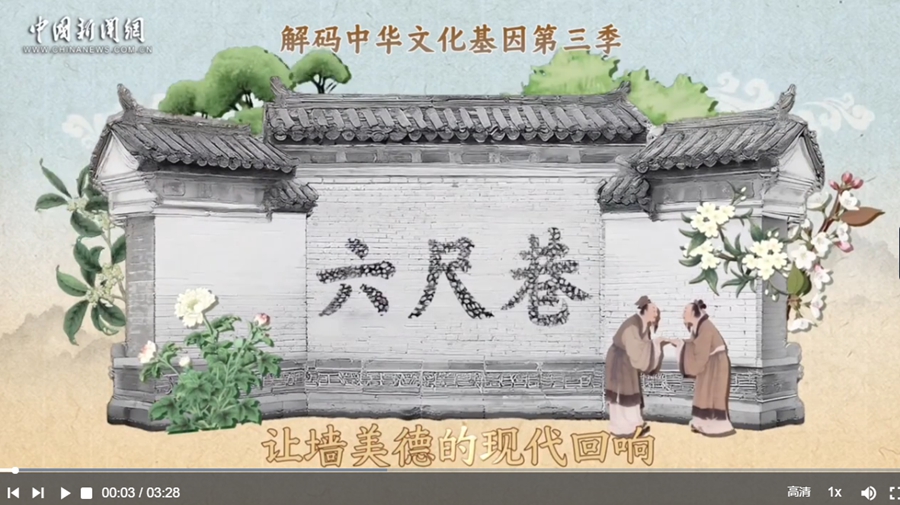
Core Viewpoint - The article emphasizes the importance of strengthening historical and cultural preservation while promoting innovative development in socialist advanced culture, revolutionary culture, and the transmission of excellent traditional Chinese culture, which serves as a foundation for social governance [2] Group 1: Cultural Heritage and Governance - Xi Jinping highlighted the need for creative transformation and innovative development in cultural preservation during his visit to Liu Chi Alley in Tongcheng City, Anhui Province [2] - Liu Chi Alley, a narrow alley approximately 100 meters long and 2 meters wide, symbolizes a historical narrative of mutual respect and harmony from over 300 years ago [2] - The "Liu Chi Alley Mediation Method" has been adopted in community governance in Tongcheng City and is being promoted by the Supreme People's Court as a model for integrating traditional culture into modern governance [2]

解码中华文化基因:大足石刻,精美的石刻会说话
Zhong Guo Xin Wen Wang· 2025-10-27 05:34
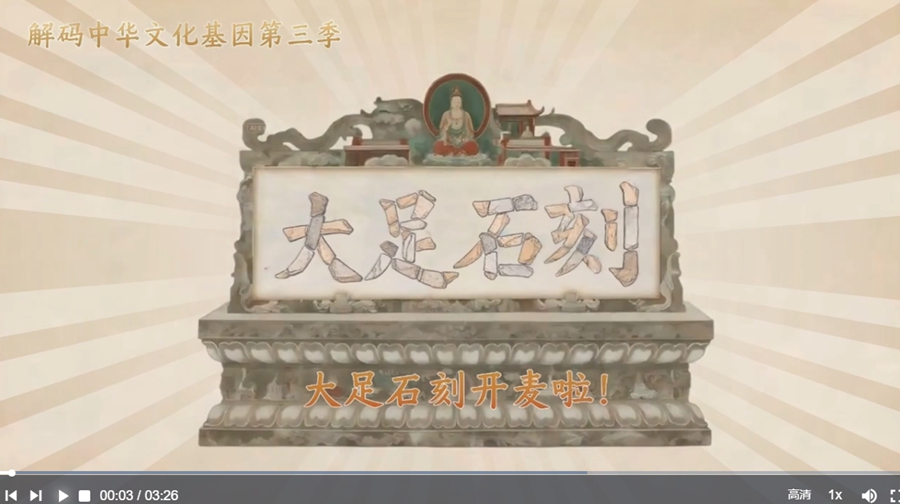
Core Viewpoint - China is a major country in terms of cultural and natural heritage, with significant emphasis placed by President Xi Jinping on the protection, inheritance, and utilization of these assets [2] Group 1 - The Dazu Rock Carvings are recognized as one of the eight major grottoes in the world and are the only UNESCO World Heritage site in Chongqing [2] - The carvings are characterized by distinct national, secular, and everyday life features, making them a model of grotto art with Chinese characteristics [2]
共同铭记历史 共襄民族复兴
Ren Min Ri Bao Hai Wai Ban· 2025-10-22 22:54
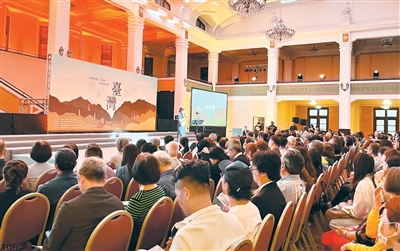
Core Viewpoint - The article commemorates the 80th anniversary of Taiwan's recovery, emphasizing its significance as a result of the Chinese people's efforts during the Anti-Japanese War and the importance of remembering this history for both sides of the Taiwan Strait [4][10]. Historical Context - The event took place at the Zhongshan Hall in Taipei, which was the site of the surrender ceremony marking the end of Japanese colonial rule in Taiwan on October 25, 1945 [5]. - The ceremony was a significant moment, symbolizing the return of Taiwan to Chinese sovereignty after 50 years of Japanese occupation [5][6]. Cultural Significance - The article highlights the cultural resilience of the Taiwanese people during Japanese rule, noting that despite attempts to erase Chinese identity, many Taiwanese maintained their cultural practices and beliefs [8][9]. - Streets in Taipei were renamed to reflect Chinese geography after the recovery, showcasing a return to cultural roots [9]. Contemporary Relevance - Recent events have seen various forms of commemoration for the anniversary, but there is criticism of the current Taiwanese administration for downplaying the historical significance of Taiwan's recovery and misrepresenting the history of Japanese colonialism [10][11]. - The article calls for unity among Taiwanese people to remember their shared history and resist any attempts to separate Taiwan from China [10][11].