中华文明研究

Search documents
数字赋能千年简牍焕新彩 文物“活”起来让中华文明可感可知
Yang Shi Wang· 2025-11-27 13:29
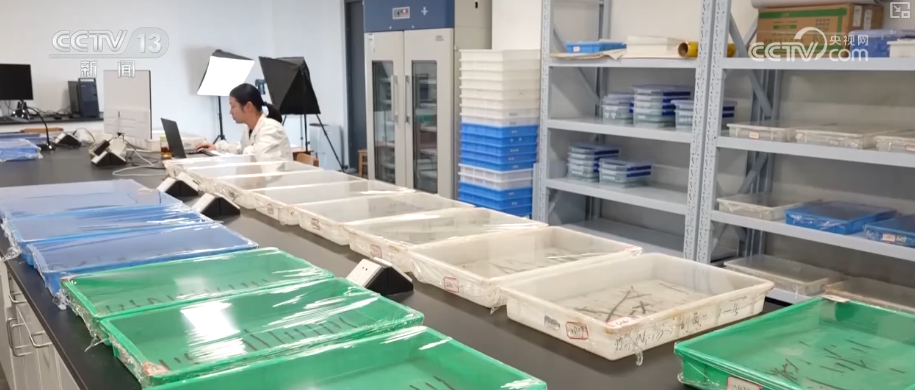
Core Insights - The "Reading China - Exhibition of Unearthed Bamboo Slips" is currently being held at the Hubei Provincial Museum, showcasing 230 pieces of bamboo slip artifacts from nearly a thousand years, spanning from the Warring States to the Eastern Jin period [1] - China has discovered over 300,000 bamboo slips, with more than 60% being readable, providing rich historical details [1][3] Archaeological Findings - The majority of bamboo slips have been unearthed from Hubei, Hunan, and Gansu provinces, accounting for about 80% of the total [5] - The content of the bamboo slips varies by region, with Hubei focusing on governance and academic texts, Hunan on administrative documents, and Gansu on border governance and national identity [5] Historical Significance - Bamboo slips serve as invaluable written artifacts that reveal many vivid historical details, such as the identity of famous historical figures and lost texts [7] - The research on bamboo slips has corrected discrepancies in traditional literature, enhancing the understanding of Chinese civilization [9] Restoration Efforts - The Jingzhou Cultural Relics Protection Center is responsible for about 80% of bamboo slip restoration work in China, with thousands of slips awaiting restoration [13][15] - A complete technical system for emergency protection and laboratory restoration has been established to address the challenges of restoring water-damaged bamboo slips [17] Innovative Restoration Techniques - New techniques, such as supercritical dehydration, have been successfully applied to expedite the restoration process, reducing the dehydration time to just a few days [22] - Different restoration methods are tailored to the condition of each bamboo slip, ensuring minimal intervention while preserving their original form [24] Technological Integration - Advanced technologies are being utilized to bring these silent artifacts to life, allowing for interactive experiences that enhance public engagement with Chinese history [30] - The Liye Qin Slips, considered a "encyclopedia" of the Qin dynasty, are showcased using 3D virtual characters and interactive displays to educate visitors about ancient governance and society [32][33]

解读西夏文字的关键参照
Ren Min Ri Bao· 2025-07-12 22:10
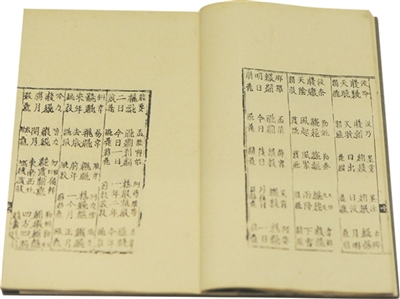
Core Viewpoint - The study of the Xixia script and language is crucial for understanding the unique cultural heritage of the Xixia Dynasty, which has significant implications for cultural exchange and the development of traditional Chinese culture [1][2]. Group 1: Research and Historical Significance - The Xixia script is a complex writing system with around 6,000 characters, derived from the basic strokes of Chinese characters, making its interpretation challenging [1]. - The discovery of documents from Heishui City marked a breakthrough in understanding the Xixia script, with the bilingual dictionary "Fan Han He Shi Zhang Zhong Zhu" being a key reference for scholars [1]. - The Xixia documents serve as primary sources for exploring the political, economic, and cultural aspects of the Xixia Dynasty, especially given the scarcity of surviving Han literature [2]. Group 2: Cultural Integration and Heritage - Xixia documents include translations of classical Chinese texts, highlighting the unity and inclusiveness of Chinese civilization, which has become a shared cultural resource among various ethnic groups [2]. - The Xixia script encompasses a wealth of cultural expressions, including legal documents and proverbs, reflecting the collective wisdom and experiences of multiple ethnicities in the region [2]. Group 3: Future Opportunities and Technological Integration - The study of Xixia script is poised for unprecedented development opportunities, particularly through the establishment of an international Xixia literature database to facilitate academic research [4]. - The development of intelligent recognition systems for Xixia script and documents is expected to enhance the efficiency of interpretation and analysis [4]. - Virtual simulation and AI restoration technologies can revitalize the cultural heritage embedded in Xixia documents, breathing new life into this ancient script [4].