经济增长模式转型

Search documents
潘功胜:中国高质量发展与全球经济再平衡|国际
清华金融评论· 2026-03-22 09:10
Core Viewpoint - China aims to continue playing a crucial role as a main engine of global economic growth amidst rising global uncertainties, promoting a more open, inclusive, and balanced direction for the global economy [1][15]. Group 1: Global Economic Rebalancing and China's Contribution - The discussion on global economic imbalances and rebalancing has intensified, becoming a key topic at the G20 this year. China has actively participated in three significant dynamic balancing processes since the beginning of this century [3]. - From 2001 to 2007, China's entry into the WTO allowed it to integrate into the global division of labor, effectively expanding global supply and alleviating inflationary pressures, thus promoting global economic growth [3]. - From 2008 to 2017, in the aftermath of the global financial crisis, China played a vital role in boosting global demand and preventing deflation, contributing approximately 30% to global growth [3]. - Since the pandemic, China's stable supply chain has been crucial in maintaining global price stability and economic balance [3]. - China's economic structure has also undergone significant adjustments, with the contribution of consumption to economic growth rising from 37% in 2010 to an expected 52% by 2025 [3]. Group 2: Sources of China's Industrial Competitiveness - China's industrial competitiveness is primarily attributed to over 40 years of reform and opening up, learning from international partners, and benefiting from four key factors: a vast market, a complete industrial and supply chain system, a skilled labor force, and sustained R&D investment [4][5]. - China has over 72 million high-skilled workers and leads the world in the total number of R&D personnel, with R&D expenditure growing at an average of over 10% annually over the past five years [5]. - The government has taken measures to regulate unhealthy competition and promote fair competition, leading to improvements in corporate operating conditions, as evidenced by the narrowing of the Producer Price Index (PPI) decline from -3.6% in July last year to -0.9% in February this year [5]. Group 3: Analysis of Global Economic Imbalances - Understanding global economic imbalances requires examining both goods and services trade, as well as current and financial accounts. China is the largest goods trade surplus country but also the largest services trade deficit country [6]. - China's accumulated current account surplus supports global liquidity through investments, contributing to global economic development and financial stability [6]. - The analysis of supply-demand balance should consider both static and dynamic perspectives, as various factors can disrupt equilibrium, such as geopolitical conflicts affecting oil supply [6][7]. Group 4: China's Economic Growth Model Transformation - The recent government work report and the 14th Five-Year Plan emphasize the importance of setting reasonable economic growth targets, focusing on quality and sustainability rather than just speed [10]. - The plan aims to transform the economic growth model by enhancing domestic demand, improving income distribution, and increasing investment in education, healthcare, and social security [10]. - China is committed to promoting technological innovation and productivity growth, aligning with global technological trends and high-quality development goals [11]. - The country is also focused on accelerating green transformation and sustainable development, aiming for peak carbon emissions by 2030 and carbon neutrality by 2060 [11]. Group 5: Financial Support for Economic Structure Transformation - The People's Bank of China will maintain a supportive monetary policy stance to create a favorable financial environment for stable growth and high-quality development [13]. - The current social financing conditions are loose, with a balanced approach to supporting real economic growth while ensuring the health of the financial system [13]. - The Chinese yuan has appreciated against major currencies this year, reflecting the central bank's commitment to maintaining a stable exchange rate without seeking competitive devaluation [13][14].


信息量很大!潘功胜最新发言!
券商中国· 2026-03-22 08:18
Core Viewpoint - The People's Bank of China will continue to implement a moderately loose monetary policy to support economic growth and structural transformation while maintaining financial stability [1][12]. Group 1: Sources of China's Industrial International Competitiveness - China's industrial international competitiveness has significantly improved due to over 40 years of reform and opening up, learning from international partners, and leveraging a large market, complete industrial and supply chains, and a skilled labor force [3][4]. - The large-scale market allows for easy industrialization and commercialization of technological innovations, leading to competitive advantages [3]. - The government is taking measures to regulate "involution" competition among enterprises and promote fair competition [4]. Group 2: Analysis of Global Economic Imbalances - The analysis of global economic imbalances should consider both goods and services trade, as well as current and financial accounts [5][6]. - China, as the largest goods trade surplus country, also faces a significant services trade deficit, which influences global liquidity and economic stability [6]. - A dynamic perspective is essential for understanding supply-demand balance, as various factors can disrupt equilibrium [7]. - Non-economic factors, such as trade wars and security concerns, also significantly impact global economic balance [8]. Group 3: China's Economic Growth and Structural Transformation - China aims to transform its economic growth model, focusing on quality and sustainability, with a GDP growth target of 4.5% to 5% for the current year [10]. - The "14th Five-Year Plan" emphasizes high-quality development and domestic demand, with policies to boost consumption and investment in key sectors [10][11]. - The People's Bank of China will enhance financial support for economic structural transformation, ensuring a stable monetary environment [12]. Group 4: Currency and Financial Market Stability - China maintains a managed floating exchange rate system and does not intend to devalue its currency for competitive advantages [13]. - The People's Bank of China emphasizes the importance of a stable and predictable financial environment, promoting the internationalization of the RMB and enhancing cross-border financial cooperation [13].
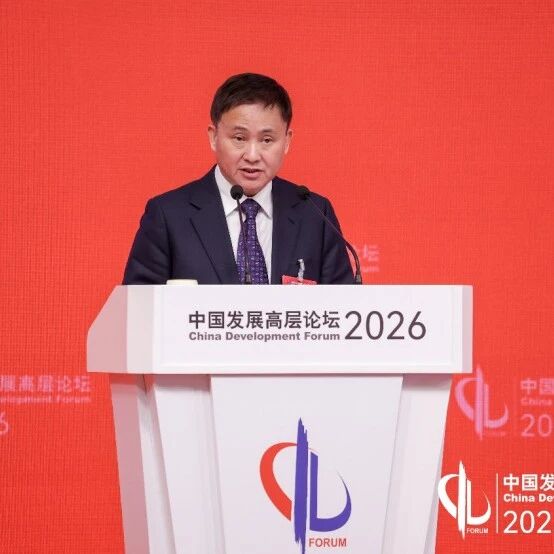
央行行长最新发声,信息量大
21世纪经济报道· 2026-03-22 07:28
Group 1: Global Economic Rebalancing and China's Contribution - The global economy is experiencing significant rebalancing due to geopolitical and trade conflicts, with China playing a crucial role in this process [2] - Since joining the WTO in 2001, China has contributed to global economic growth by expanding supply and enhancing production efficiency, alleviating inflationary pressures [2] - China's contribution to global growth has remained stable at around 30%, acting as a primary engine for world economic growth [2] - The stability of China's supply chain has been vital in maintaining global price stability and economic balance post-pandemic [2] Group 2: China's Economic Structure and Competitiveness - China's economic structure has undergone significant adjustments, with consumption's contribution to GDP rising from 37% in 2010 to 52% by 2025 [3] - The country has a large pool of skilled labor, with over 72 million high-skilled workers and a leading position in R&D personnel globally [4] - Continuous R&D investment has led to a growth rate of over 10% annually in R&D spending, positioning China as the second-largest R&D investor globally by 2025 [4] Group 3: Economic Growth Model Transformation - The government has set a GDP growth target of 4.5%-5% for the current year, emphasizing the importance of quality and sustainability over mere growth [8] - The focus is on transforming the economic growth model towards high-quality development, with an emphasis on domestic demand and consumption [8] - Policies will be implemented to enhance consumer spending, improve income distribution, and invest in sectors like education and healthcare [8] Group 4: Financial Support for Economic Transition - The People's Bank of China (PBOC) will maintain a supportive monetary policy stance to foster stable economic growth and financial market stability [10] - The PBOC aims to balance short-term and long-term financial health while ensuring liquidity remains ample through various monetary tools [10] - The Chinese yuan has appreciated against major currencies, reflecting a stable exchange rate policy aimed at avoiding competitive devaluation [11] Group 5: Global Financial Governance and Cooperation - China is committed to participating in global financial governance reforms and enhancing international macroeconomic policy coordination [12] - The country aims to strengthen the global financial safety net and maintain economic and financial stability through collaborative efforts [12] - China's financial markets are open to foreign investors, with significant growth in offshore yuan-denominated bonds and a welcoming stance towards international investment [11]
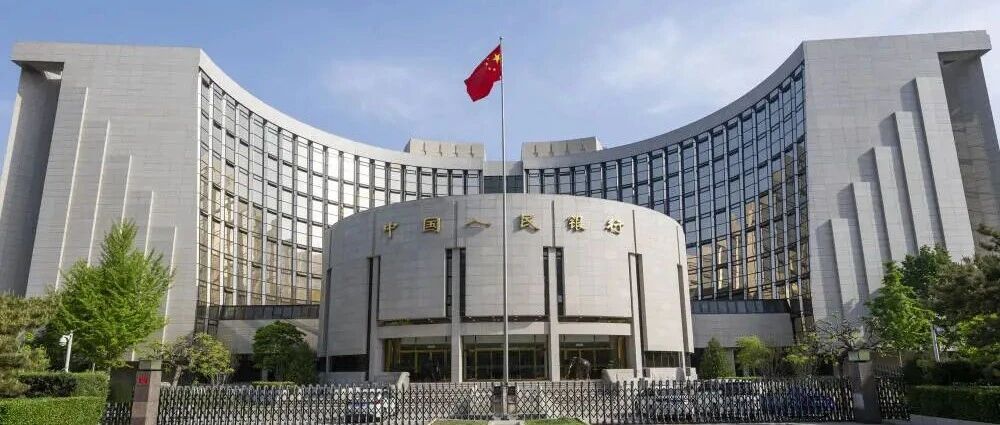
中国将加快成为全球需求核心市场!潘功胜最新发言!
证券时报· 2026-03-22 07:19
Core Viewpoint - The article discusses the insights of Pan Gongsheng, Governor of the People's Bank of China, on China's international industrial competitiveness, global economic imbalances, and the need for increased financial support for China's economic structural transformation [1][2][12]. Group 1: China's International Industrial Competitiveness - China's industrial competitiveness is significantly attributed to over 40 years of reform and opening up, learning from international partners, and leveraging a large market, complete industrial and supply chains, and a skilled workforce [4]. - The super-large market allows for easy industrialization and commercialization of technological innovations, leading to competitive advantages [4]. - The Chinese government promotes fair competition and has taken measures to regulate local government investment attraction behaviors, prohibiting unreasonable preferential policies [4]. Group 2: Global Economic Imbalances - Analyzing global economic imbalances requires looking at both goods and services trade, as well as current and financial accounts [7]. - China, as the largest goods trade surplus country and a significant services trade deficit country, injects liquidity into global financial markets through investments, supporting global economic development [7]. - A dynamic perspective is essential for understanding supply-demand balance, as various factors can disrupt equilibrium, but market forces will eventually adjust [8]. Group 3: Financial Support for Economic Transformation - The People's Bank of China will maintain a supportive monetary policy to create a favorable financial environment for stable economic growth and high-quality development [15]. - China does not intend to gain trade advantages through currency devaluation and emphasizes the market's role in exchange rate formation [15]. - The internationalization of the Renminbi has progressed positively, with low financing costs and significant issuance of Panda bonds, enhancing cross-border trade and investment [16].
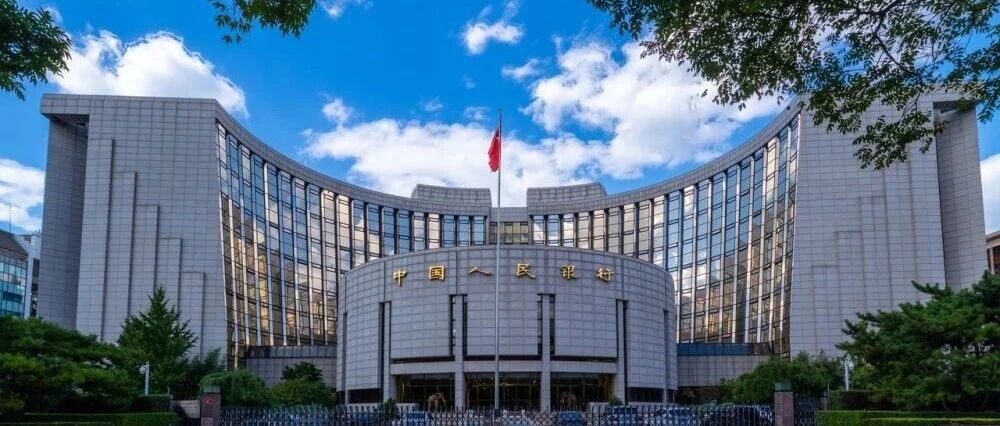
如何看待 出口退税调整
Sou Hu Cai Jing· 2026-02-02 16:41
Core Viewpoint - The recent announcement by the Ministry of Finance and the State Taxation Administration to cancel export tax rebates for nearly 250 products, including photovoltaic products, is a significant step towards transforming China's foreign trade strategy and economic growth model, aiming to reduce reliance on exports and promote domestic demand [1][2][3] Group 1: Policy Adjustment and Economic Strategy - The adjustment of export tax rebates is part of China's broader strategy to address issues arising from an over-reliance on exports, which has led to trade imbalances and increased foreign exchange risks [2][3] - Since the initiation of the "export-for-foreign-exchange" strategy, export tax rebates have contributed significantly to China's trade surplus, accounting for about half of it over the past 30 years [3] - The emphasis on photovoltaic and battery products in the announcement reflects China's competitive advantages and aims to alleviate international trade tensions [3] Group 2: Industry Response and Future Outlook - Experts express concerns that reducing or eliminating export tax rebates could negatively impact export enterprises, especially in the current uncertain external environment [5][9] - Companies are encouraged to enhance their competitiveness through innovation and quality improvement rather than relying on government support [10] - The transition from an export-oriented model to one focused on domestic demand will require time and may involve challenges, but it is deemed necessary for long-term economic stability [10]
如何看待出口退税调整
Di Yi Cai Jing· 2026-02-02 12:02
Group 1 - The core viewpoint of the news is that the adjustment of export tax rebates is a significant measure for transforming foreign trade and economic growth models in China, aiming to reduce reliance on exports and promote domestic demand [2][3] - The adjustment involves the cancellation of export tax rebates for nearly 250 products, including solar photovoltaic products and a reduction in rebates for 22 types of battery products, which will be fully eliminated by January 1, 2027 [1][3] - This policy is seen as a continuation of efforts to address issues arising from a long-standing export-oriented growth strategy, which has led to high export dependency and trade imbalances [2][3] Group 2 - The adjustment of export tax rebates is expected to directly impact trade surpluses, as historically, export tax rebates accounted for about half of China's trade surplus over the past 30 years [3] - The policy aims to signal goodwill to international trading partners, particularly in light of trade tensions surrounding competitive products like solar panels and batteries [3] - Experts suggest that companies that can no longer compete in the international market due to the reduction of export tax rebates should pivot to domestic markets to meet local demand, although this transition may involve challenges [10]
一场财富转移,已经开始了!
大胡子说房· 2025-10-24 11:25
Core Viewpoint - There is a noticeable shift of funds from the real estate market to the capital market, driven by a change in economic growth models and government encouragement of financing in the capital market [1][2][3]. Group 1: Real Estate Market Trends - Real estate investment has been declining, with the total funds available to real estate developers dropping to 78,898 billion yuan, a year-on-year decrease of 20% [1]. - New construction and construction area metrics are also on a downward trend, indicating a broader contraction in the real estate sector [1]. Group 2: Capital Market Developments - The financing balance in the stock market has increased by 263.96 billion yuan compared to the end of 2024, with nearly 50 billion yuan added in just one month [1]. - The management scale of private equity has reached 5.24 trillion yuan, an increase of 671.24 billion yuan since the end of 2024 [1]. - Insurance funds saw a net inflow of 377.39 billion yuan in the second quarter [1]. Group 3: Government Policy and Market Dynamics - Recent announcements from securities firms, such as Zhejiang Securities raising their financing business limit from 40 billion yuan to 50 billion yuan, signal a relaxation of regulatory constraints [2]. - The increase in financing limits for multiple securities firms indicates a trend towards higher leverage in the capital market, which is essential for driving bull markets [2]. Group 4: Economic Transition - The shift from a real estate-driven economy to one focused on technology is a critical aspect of the current economic transformation [3]. - Historical patterns show that as economies mature, they transition from reliance on real estate to technology-driven growth, a process that China is currently undergoing [3]. Group 5: Technology Sector Investment - The capital market is crucial for valuing technology companies, as their stock prices serve as the primary indicator of their worth [4]. - Recent surges in stock prices have been concentrated in technology sectors such as semiconductors, chips, and PCB, reflecting a broader trend of capital flowing into technology [4]. Group 6: Financial Resource Allocation - The transition of financial resources from real estate to equity, particularly in technology companies, is a strategic move to support economic growth [5]. - This shift is essential for advancing industrialization and enhancing international competitiveness [5].