中国抗日战争

Search documents
国际人士:九三阅兵呈现了一个强大的现代中国
Yang Shi Xin Wen Ke Hu Duan· 2025-09-06 07:22
Core Points - The commemoration of the 80th anniversary of the victory in the Chinese People's Anti-Japanese War and the World Anti-Fascist War showcased a strong modern China, emphasizing its significant contributions to the war and the importance of peace [1][2][5] - International observers noted that the military parade signaled China's readiness to defend itself and highlighted its resolve to never experience past humiliations again [1] - The sacrifices made by the Chinese people during the war were acknowledged as immense, reinforcing the importance of remembering the victory and its hard-won nature [1][3] Summary by Related Categories - **International Perspectives** - Robert Hanlon from Canada emphasized that the parade demonstrated China's commitment to peace while being prepared for defense, marking a significant moment for both China and the world [1] - Tibor Gaspar from Slovakia noted that China's role as a participant and victor in the anti-fascist war is crucial for both Europe and China [2] - Edward Shepo from Slovakia stated that without China's contributions, the war would have lasted longer, resulting in more casualties, and that peace-loving individuals should appreciate China's efforts [5] - **Historical Context** - Frank Schumann, a German writer, highlighted that the Chinese resistance began in 1931 and culminated in a 14-year struggle against fascism, underlining the significant sacrifices made by the Chinese people [3]


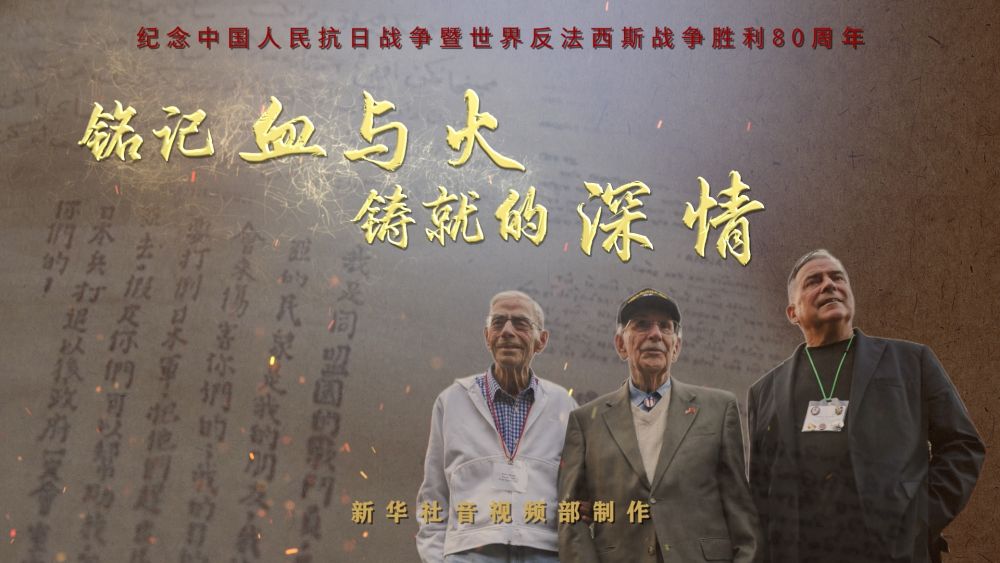
历史的回响丨铭记血与火铸就的深情
Xin Hua She· 2025-08-28 12:23
Core Points - The article highlights the historical connection between American Flying Tigers and Chinese villagers during World War II, emphasizing the sacrifices made by over 2,000 American pilots and the rescue efforts by Chinese civilians [2] - It reflects on the deep friendship forged between the Chinese and American people during the fight against Japanese fascism, underscoring the significant contributions of the Chinese people to the global anti-fascist war [2] - In 2023, President Xi Jinping reaffirmed this friendship by responding to the chairman of the China-U.S. Aviation Heritage Foundation and veterans of the Flying Tigers, indicating that the memory of their sacrifices remains alive in China [2] Summary by Sections - **Historical Context**: The article recounts the efforts of the Flying Tigers during the war, including the construction of airstrips by Chinese people without heavy machinery, showcasing their dedication and sacrifice [2] - **Friendship and Cooperation**: It emphasizes the solidarity between the Chinese and American people during the war, highlighting the shared struggle against a common enemy and the lasting bonds formed as a result [2] - **Modern Recognition**: The article notes the recent acknowledgment by Chinese leadership of the contributions made by the Flying Tigers and the ongoing remembrance of their legacy in fostering U.S.-China relations [2]
“中国抗战为世界反法西斯战争胜利作出重要贡献”(伟大胜利·历史贡献)
Ren Min Ri Bao· 2025-08-24 22:40
Core Viewpoint - China played a crucial role in the fight against Japanese militarism, marking the beginning of the global anti-fascist war, significantly impacting the situation in the Asian theater of World War II [2][3]. Group 1: Historical Context - The resistance of the Chinese people against Japan tied down a significant number of Japanese troops, which was vital for the overall success of the anti-fascist war [2]. - The traditional Western perspective defines World War II as starting in 1937 and ending in 1945, which does not encompass the Asian viewpoint [3]. Group 2: Contributions of the Chinese Communist Party - The Chinese Communist Party emphasized national unity and encouraged a collective resistance, laying a critical foundation for the victory in the war [3]. - The academic work of the scholar has been influential in introducing the history of China's resistance to Western audiences, challenging the notion that China's efforts were insignificant [3]. Group 3: Educational Initiatives - The scholar serves as a visiting professor at Peking University, teaching modern history courses and emphasizing the importance of historical education for the younger generation [4]. - There is a strong belief that peace is hard-won and must be actively preserved, highlighting the need for historical awareness [4].

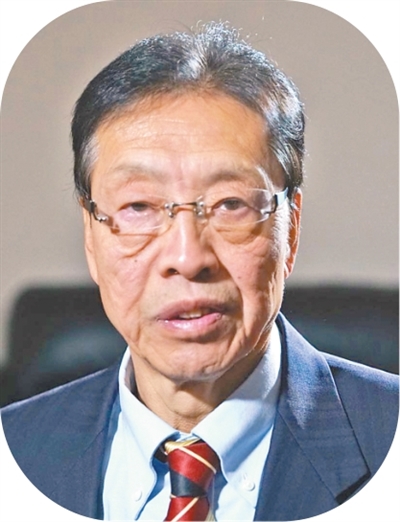
“中国抗日战争是世界反法西斯战争的重要组成部分”(伟大胜利·历史贡献)——访日本八路军新四军战友会副会长兼事务局长小林阳吉
Ren Min Ri Bao· 2025-07-31 03:58
Core Viewpoint - The article emphasizes the importance of remembering history and valuing peace, particularly in the context of China's victory in the Anti-Japanese War, which is seen as a significant part of the global anti-fascist struggle [2] Group 1: Historical Context - The Anti-Japanese War is highlighted as a crucial component of the global anti-fascist movement, with China's efforts under the leadership of the Communist Party leading to national independence and the establishment of a new China [2] - The article mentions the existence of the "Japanese Anti-War Alliance in China," which consisted of Japanese individuals who fought alongside the Chinese against Japanese militarism [2] Group 2: Personal Accounts - A personal narrative is provided by Kobayashi Yoshiki, whose father, a former Japanese soldier, became a member of the anti-war alliance after realizing the injustices of Japanese militarism [3] - Kobayashi's father played a significant role in demoralizing Japanese troops through various means of communication, contributing to the anti-Japanese war efforts [3] Group 3: Modern Implications - The article discusses China's commitment to peaceful development and its historical context, asserting that China has never initiated war or occupied foreign lands [4] - It emphasizes the importance of learning from history, particularly for Japan, and the need for self-reflection to earn global respect [4] - The legacy of the anti-war alliance continues through organizations like the "Japanese Anti-War Alliance in China," which promotes peace and friendship between Japan and China [4]
“中国抗日战争是世界反法西斯战争的重要组成部分”(伟大胜利·历史贡献)
Ren Min Ri Bao· 2025-07-30 22:12
Group 1 - The core viewpoint emphasizes the importance of remembering history and valuing peace, particularly in the context of China's victory in the Anti-Japanese War, which is seen as a significant part of the global anti-fascist struggle [2] - The narrative highlights the contributions of the Japanese anti-war alliance in China, showcasing the personal story of Kobayashi Yoshiyuki's father, who transitioned from a Japanese soldier to a brave anti-fascist fighter [2][3] - The article discusses the role of Kobayashi's father in undermining Japanese military morale through various means of communication, which helped to sway the beliefs of Japanese soldiers during the war [3] Group 2 - The article reflects on China's commitment to peaceful development and its historical context, asserting that China has never initiated war or occupied foreign lands [4] - It emphasizes the importance of self-reflection for Japan, suggesting that learning from history is crucial for earning global respect, rather than relying solely on the forgiveness of others [4] - The legacy of the Japanese anti-war veterans is highlighted, with a focus on their efforts to promote peace and friendship between Japan and China, indicating a continued commitment to these values by the next generation [4]
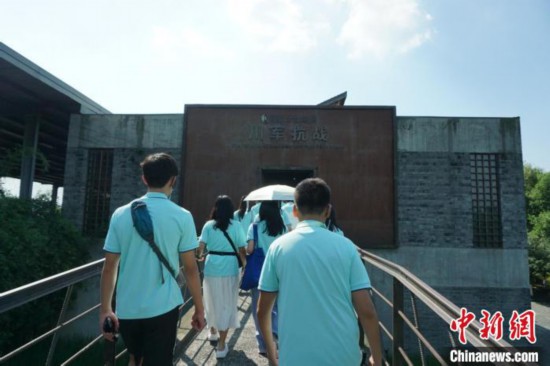
美国华裔青少年跨越万里“触摸”中国抗战记忆
Zhong Guo Xin Wen Wang· 2025-07-10 02:08
Core Viewpoint - The article highlights the importance of understanding the history of the Chinese Anti-Japanese War and its significance in the global context of the anti-fascist struggle, particularly among American Chinese youth who are increasingly engaging with this history [1][2]. Group 1: Historical Significance - The visit of over 200 American Chinese youth to the Jianchuan Museum Cluster in Sichuan serves as a platform for them to connect with China's wartime history and the sacrifices made by Chinese soldiers [1][4]. - The historical narrative of the Anti-Japanese War is often overlooked in American education, with a lack of emphasis on China's contributions during World War II [2]. Group 2: Personal Reflections - Participants expressed a deep emotional impact from learning about the Anti-Japanese War, with sentiments of pride and a commitment to share this knowledge with peers in the United States [5]. - The experience has fostered a sense of identity and responsibility among the youth, emphasizing the importance of understanding their heritage and the historical struggles of their ancestors [5].