世界反法西斯战争

Search documents
维护一个中国原则,就是维护国际公平正义(国际论坛)
Ren Min Ri Bao· 2026-02-08 01:08
Group 1 - The core viewpoint emphasizes the importance of consolidating the international community's commitment to the One China principle, which is seen as a respect for China's sovereignty and a necessary action to maintain the outcomes of World War II and the post-war international order [1] - The article asserts that Taiwan has historically been an inseparable part of China, and the One China principle has been reaffirmed by the United Nations General Assembly Resolution 2758 in 1971, recognizing the People's Republic of China as the sole legitimate government representing all of China [1] - The Chinese government has been striving for peaceful development of cross-strait relations, while recent actions by Taiwan authorities promoting independence and external forces attempting to use Taiwan to hinder China's development are viewed as challenges to national sovereignty [1] Group 2 - The article highlights that Taiwan's liberation from Japanese colonial rule is a significant achievement of the Chinese people's victory in the Anti-Japanese War, and it calls for the international community to recognize this historical fact and oppose any resurgence of militarism [2] - In 2025, China will legally establish October 25 as Taiwan Liberation Day, which is seen as a meaningful decision reflecting the importance of history and the pursuit of peace, while also demonstrating the government's unwavering determination to safeguard national sovereignty and development interests [2] - The commemoration of Taiwan's liberation is framed as a victory for all Chinese people and a part of the global anti-fascist struggle, deserving of remembrance and transmission [2] Group 3 - The One China principle is described as a universal consensus within the international community, aligning with the common interests of all peace-loving nations and peoples, and contributing to the maintenance of international fairness, justice, and regional peace and stability [3]
国际人士:维护一个中国原则,就是维护国际公平正义
Xin Lang Cai Jing· 2026-02-07 22:52
Group 1 - The core viewpoint emphasizes that Taiwan is an inseparable part of China, reinforcing the commitment to the One China principle as a respect for China's sovereignty and a necessity for maintaining the outcomes of World War II and the post-war international order [1][2][3] - The historical context is provided, stating that Taiwan has been part of China since ancient times, and the political division across the Taiwan Strait is a result of the Chinese Civil War and external interference [1] - The article highlights the significance of the UN General Assembly Resolution 2758 from 1971, which confirmed the One China principle and recognized the People's Republic of China as the sole legitimate government representing all of China [1] Group 2 - The article discusses the importance of commemorating Taiwan's liberation from Japanese colonial rule as a significant achievement of the Chinese people's victory in the Anti-Japanese War, urging the international community to acknowledge this historical fact [2] - A notable decision is mentioned where China will legally establish October 25 as Taiwan Liberation Memorial Day in 2025, reflecting the government's commitment to historical remembrance and the pursuit of peace [2] - The One China principle is described as a universal consensus within the international community, aligning with the interests of all peace-loving nations and contributing to international fairness and regional stability [3]
【史海回眸】马尼拉大屠杀,一个月内10万平民丧生
Huan Qiu Shi Bao· 2025-12-25 22:54
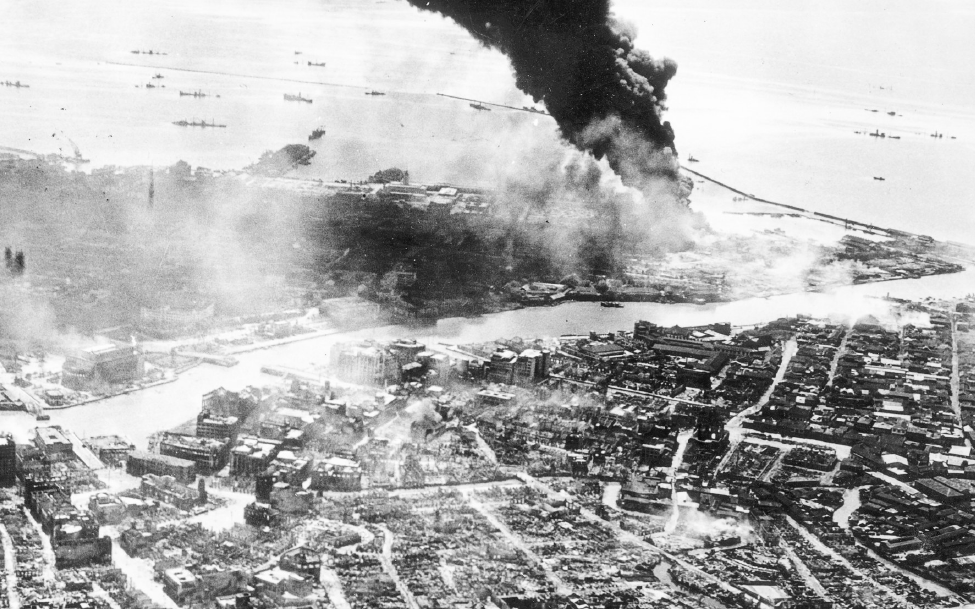
Core Viewpoint - The Manila Massacre during World War II resulted in the deaths of over 100,000 civilians, marking a significant historical atrocity that requires remembrance and dialogue to prevent the resurgence of fascism [1][5]. Group 1: Historical Context - The Philippines was occupied by Japan in 1942, leading to the exploitation of local resources for military needs [3]. - The situation for Japan deteriorated in 1944-1945, with significant defeats in battles such as the Mariana and Leyte Gulf, leading to the eventual approach of American forces to Manila [3]. - Manila was considered a strategic location for Japan, serving as a critical point in their "Southern Advance Policy" [3]. Group 2: The Manila Massacre - The Battle of Manila began on February 3, 1945, with Japanese forces resorting to extreme violence against civilians as they faced defeat [4]. - From February 4 to 10, 1945, Japanese troops committed widespread atrocities, including the mass murder of refugees and brutal acts against women and children [4]. - Over the course of the month-long battle, at least 100,000 civilians were killed, averaging more than 3,000 deaths per day [4]. Group 3: International Response - The international community condemned the atrocities of the Manila Massacre, leading to the collection of evidence and the creation of reports on the events [5]. - The Manila War Crimes Trials, initiated by the United States, sought to hold Japanese commanders accountable for their actions, culminating in the execution of General Yamashita [5]. - The Manila Massacre is compared to the Nanjing Massacre, emphasizing the need for global dialogue to remember and learn from these historical events [5].

《百团大战》观影座谈会暨抗战主题图片展在格鲁吉亚举行
Xin Hua She· 2025-11-28 00:41
Group 1 - The event held in Tbilisi was a film screening and exhibition commemorating the 80th anniversary of the victory in the Chinese People's Anti-Japanese War and the World Anti-Fascist War [1] - The Chinese Ambassador to Georgia emphasized the importance of remembering history and cherishing peace through the screening of the film "The Hundred Regiments Offensive" [1] - The director of the China-Southeast Asia Research Center highlighted the significant sacrifices made by the Georgian people alongside the Chinese during the World Anti-Fascist War, aiming to provide a more objective view of China's contributions to this global struggle [1] Group 2 - Approximately 60 attendees, including representatives from Georgian universities, think tanks, media, and the Chinese community, participated in the event [2]
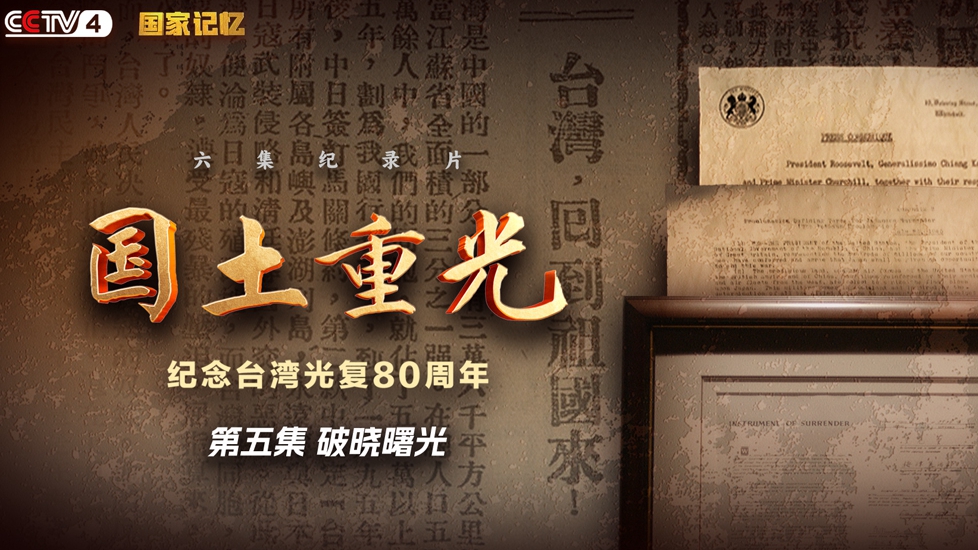
《国土重光——纪念台湾光复80周年》 第5集 破晓曙光
Yang Shi Wang· 2025-11-06 05:14
Core Viewpoint - The article highlights the significant role of the Chinese People's War of Resistance against Japan in the global anti-fascist war, emphasizing its early start, prolonged duration, and the immense sacrifices made by the Chinese people, which contributed to the victory in the anti-fascist struggle [2] Summary by Relevant Sections - The Chinese People's War of Resistance against Japan began the earliest and lasted the longest among the global anti-fascist efforts, marking it as a crucial component of the overall victory [2] - The surrender of Japan on August 15, 1945, and the subsequent signing ceremony in Nanjing on September 9, 1945, are pivotal historical events that underscore China's contributions to the anti-fascist war [2] - The narrative also symbolizes Taiwan's return to China, likening it to a long-separated child eagerly returning to its mother, reflecting the emotional and historical significance of Taiwan's liberation [2]
“全球视野下的中国抗战”国际学术研讨会在京开幕
Xin Hua She· 2025-11-02 10:42
Core Viewpoint - The international academic seminar "China's Anti-Japanese War from a Global Perspective" aims to reassess the historical significance and contemporary value of China's resistance against Japanese aggression, emphasizing the importance of historical reflection for future unity efforts [1][2]. Group 1: Seminar Overview - The seminar, hosted by Peking University, features nearly a hundred experts and scholars from various regions, including Taiwan, Hong Kong, Macau, the United States, the United Kingdom, and Japan [1]. - It includes 20 group meetings and one roundtable forum, focusing on the global perspective of China's anti-Japanese war and Taiwan's recovery [1][2]. Group 2: Historical Significance - The Chinese anti-Japanese war is recognized as the earliest and longest-running resistance in the global anti-fascist war, significantly altering the social landscape of China [2]. - The historical narrative of the anti-Japanese war has often been overlooked in international academia, highlighting the need for enhanced historical material sharing and collaboration between the two sides of the Taiwan Strait [2]. Group 3: Contributions and Future Directions - Peking University aims to support research in this field, enhance historical material organization and digitization, and promote international academic exchanges to contribute to building a community with a shared future for humanity [1]. - Experts will discuss various topics, including the global context of the Pacific War's outbreak in December 1941 and the significance of wartime international cooperation [2].
读懂烽火侨批 读懂华侨赤子丹心(侨界关注)
Ren Min Ri Bao Hai Wai Ban· 2025-10-30 23:22
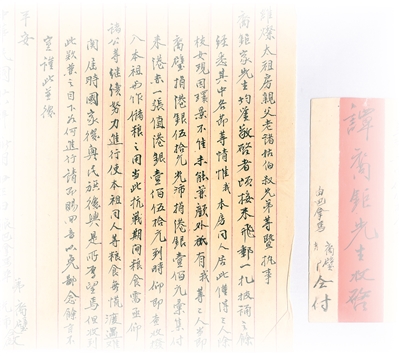
Core Viewpoint - The exhibition "烽火侨批——从战火中的侨批看华侨赤子心、家国情" showcases the letters (侨批) sent by overseas Chinese during the Anti-Japanese War, highlighting their deep emotional connection to their homeland and their contributions to the war effort [2][5][11]. Summary by Sections Historical Context - The letters, known as 侨批, served as both remittances and personal correspondence from overseas Chinese to their families back home during the turbulent times of the Anti-Japanese War [2][5]. - The exhibition commemorates the 80th anniversary of the victory in the Chinese People's War of Resistance Against Japanese Aggression and the World Anti-Fascist War [2]. Exhibition Details - The exhibition features over 100 precious letters, historical photographs, and multimedia installations, providing a vivid portrayal of the emotional and historical significance of these communications [2][5]. - It is divided into four chapters: "山河破碎 觉醒之声," "血色家书 苦难见证," "国民职责 毁家纾难," and "抗战到底 必胜信念," which collectively narrate the 14-year history from the September 18 Incident to the victory in the war [5][6]. Emotional Resonance - The letters reflect the sentiments of overseas Chinese, expressing their anger and sorrow over the war's impact on their homeland, as well as their determination to support the war effort through donations and other means [4][6]. - A notable example includes a letter from the 谭氏 family, which details their fundraising efforts to support their homeland during the war [4][5]. Contributions of Overseas Chinese - The exhibition highlights the significant financial contributions made by overseas Chinese, such as the $1.4 million raised by the New York Chinese Anti-Japanese Relief Association to support the war [6][9]. - Many letters document the personal sacrifices and actions taken by overseas Chinese, including joining military efforts and providing financial support to their families and communities back home [6][9]. Cultural Significance - The exhibition emphasizes the historical value of these letters as primary sources that capture the sentiments and experiences of overseas Chinese during a critical period in history [7][8]. - It aims to educate the public about the contributions of overseas Chinese to the war and the broader context of the Chinese people's struggle against fascism [11]. Future Engagement - The exhibition is currently open to the public and will tour various cities, continuing to raise awareness about the historical significance of these letters and the contributions of overseas Chinese [11].
“新军刀”——波兰博物馆中的日军罪证
Huan Qiu Shi Bao· 2025-10-20 23:04
Core Viewpoint - The exhibition at the Polish WWII Museum highlights the significance of the Japanese "shin-guntō" sword as a symbol of the atrocities committed during the Second Sino-Japanese War, particularly during the Nanjing Massacre, emphasizing the interconnectedness of global conflicts and the importance of remembering history [1][2][3] Group 1: Historical Context - The "shin-guntō" sword was mass-produced by the Japanese military after 1935 and became a weapon of mass murder during the invasion of China, particularly noted for its role in the Nanjing Massacre where the death toll is estimated between 300,000 and 400,000 [1] - The exhibition aims to place the Chinese resistance against Japanese aggression within the broader narrative of global anti-fascist efforts, illustrating that the war was not isolated to Europe but was a worldwide catastrophe [2] Group 2: Educational Purpose - The museum's narrative seeks to remind European audiences, particularly Poles, of the historical context of suffering in Asia prior to the Nazi invasion, thereby fostering a deeper understanding of the shared human cost of war [2] - By showcasing the "shin-guntō," the museum encourages visitors to reflect on the universal devastation caused by war and the collective responsibility to oppose it, linking the tragedies of Nanjing and Poland [2][3] Group 3: Remembrance and Responsibility - The exhibition serves as a poignant reminder of the countless ordinary lives lost due to war, emphasizing the necessity of remembering their suffering and sacrifices [3] - It positions the history of the Chinese resistance against Japan within an international framework, reinforcing the idea that the fight against fascism is a shared historical memory that transcends geographical boundaries [3]
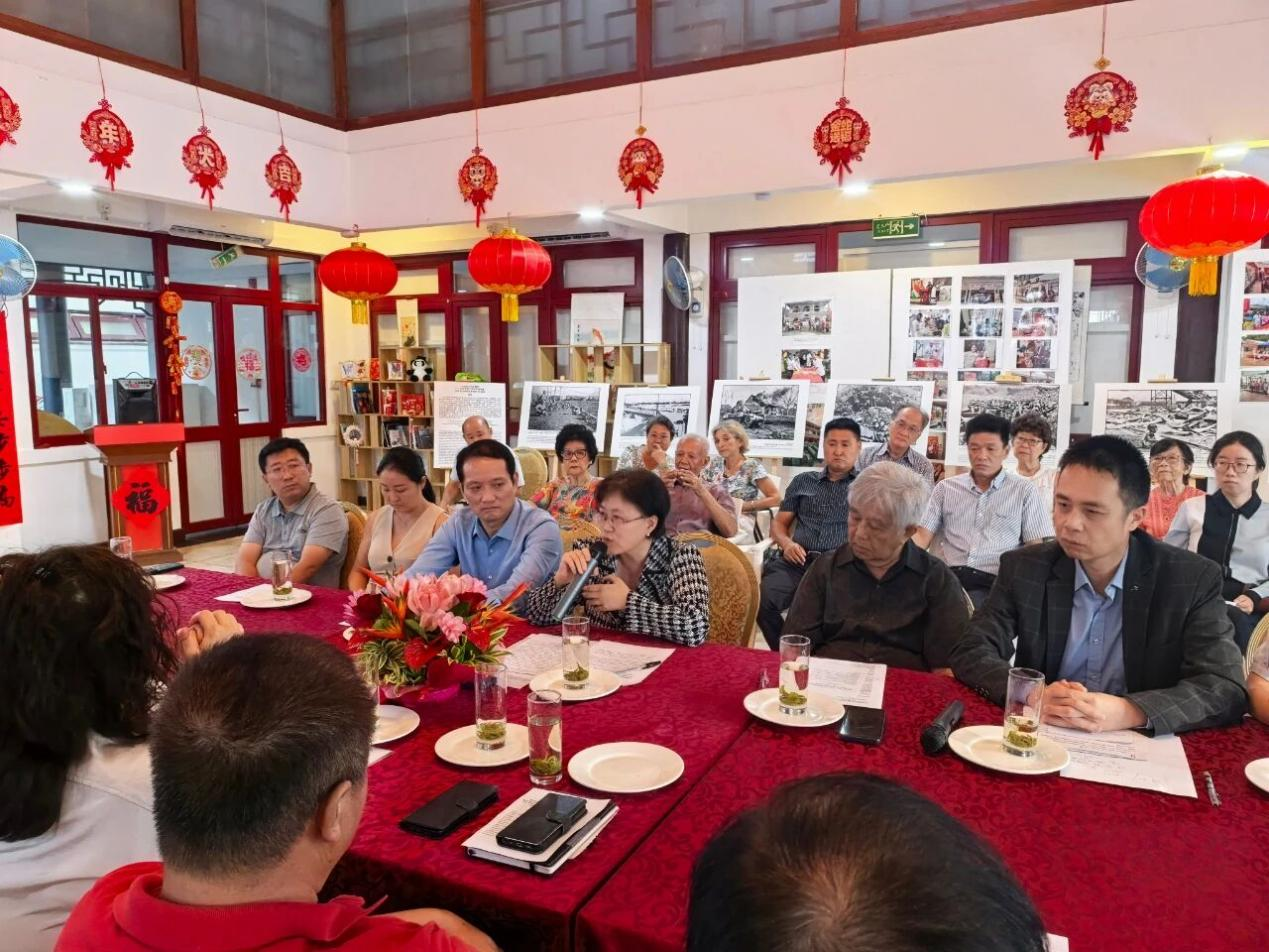
塞舌尔侨界纪念中国人民抗日战争暨世界反法西斯战争胜利80周年研讨会举行
人民网-国际频道 原创稿· 2025-10-11 01:41
Core Points - The event commemorating the 80th anniversary of the victory in the Chinese People's Anti-Japanese War and the World Anti-Fascist War was held in Victoria, Seychelles, attended by around 30 representatives from various Chinese community organizations and Chinese institutions [1] - Chinese Ambassador to Seychelles, Lin Nan, highlighted China's significant contributions to the victory in the World Anti-Fascist War and emphasized that Taiwan's return to China is an essential part of the outcomes of World War II and the post-war international order [2] - Attendees expressed high regard for the global impact of China's anti-Japanese war efforts and committed to drawing strength from this great victory to further promote Sino-Seychellois friendship and national reunification [5]
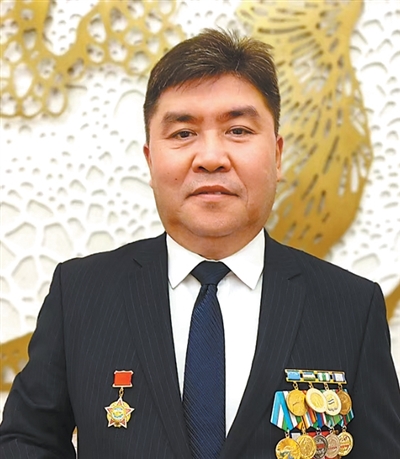
“为深化两国友谊与合作贡献力量”(跨越时空的精神回响)
Ren Min Ri Bao· 2025-10-08 22:11
Core Points - The 80th anniversary of the victory in the Chinese People's War of Resistance against Japanese Aggression and the World Anti-Fascist War was commemorated in Beijing, with representatives from 14 countries attending, highlighting international contributions to China's victory [2] - The presence of international friends and their descendants, such as Nuriqin Mamatov, emphasizes the shared history and camaraderie among nations during the anti-fascist struggle [2] - Mamatov expressed pride in his uncle's contributions and the honor of receiving an invitation from China, reflecting the deep historical ties between Uzbekistan and China [2] Group 1 - The event showcased China's military modernization and sincere commitment to peace, as noted by Mamatov during the military parade [2] - Mamatov's previous experiences in China left a lasting impression, indicating the positive perception of Chinese culture and hospitality [3] - He pledged to continue contributing to the friendship and cooperation between Uzbekistan and China [3]