中国美食文化输出

Search documents
日本街头,正被中国“拼好饭”攻陷
3 6 Ke· 2025-10-17 01:45
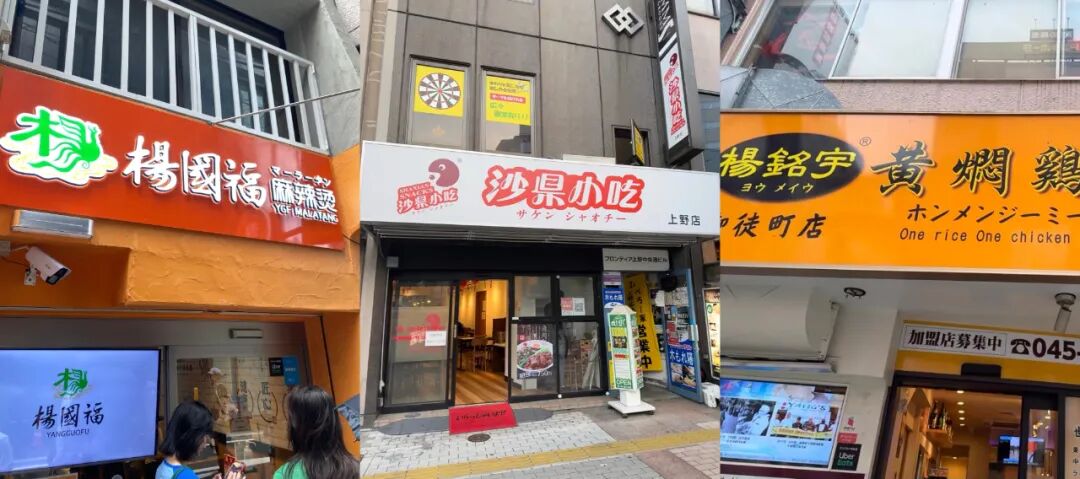
Core Insights - The article discusses the rising popularity of Chinese street food, particularly spicy hot pot (麻辣烫), in Japan, highlighting how these foods have transformed from local staples to trendy, high-end dining experiences for young Japanese consumers [1][3][21] Group 1: Popularity of Chinese Street Food in Japan - Spicy hot pot has become a new social currency in Japan, with an average price of 2000 yen (approximately 95 RMB) for 500 grams, making it a premium choice compared to traditional Japanese meals [3][9] - The experience of queuing for hot pot has turned into a social media event, with young people eagerly sharing their experiences online [3][5] - The selection process for ingredients is likened to shopping for cosmetics, enhancing the overall dining experience [5][11] Group 2: Cultural Adaptation and Innovation - Chinese dishes have been localized in Japan, with unique adaptations such as ice cream-filled fried dough sticks and strawberry-flavored mapo tofu, appealing to local tastes [13][18] - The core recipes of these dishes remain unchanged, but their presentation and marketing have been revamped to create a sense of luxury and exclusivity [12][20] Group 3: Global Expansion of Chinese Cuisine - The article emphasizes that Chinese cuisine is gaining traction globally, with examples like Din Tai Fung in Dubai and Liu Yishou hot pot in New York, showcasing the versatility and appeal of Chinese flavors [23][25] - The supply chain advantages from Chinese pre-made food companies ensure consistent quality and lower costs, facilitating the global expansion of these once-local street foods [21][25]