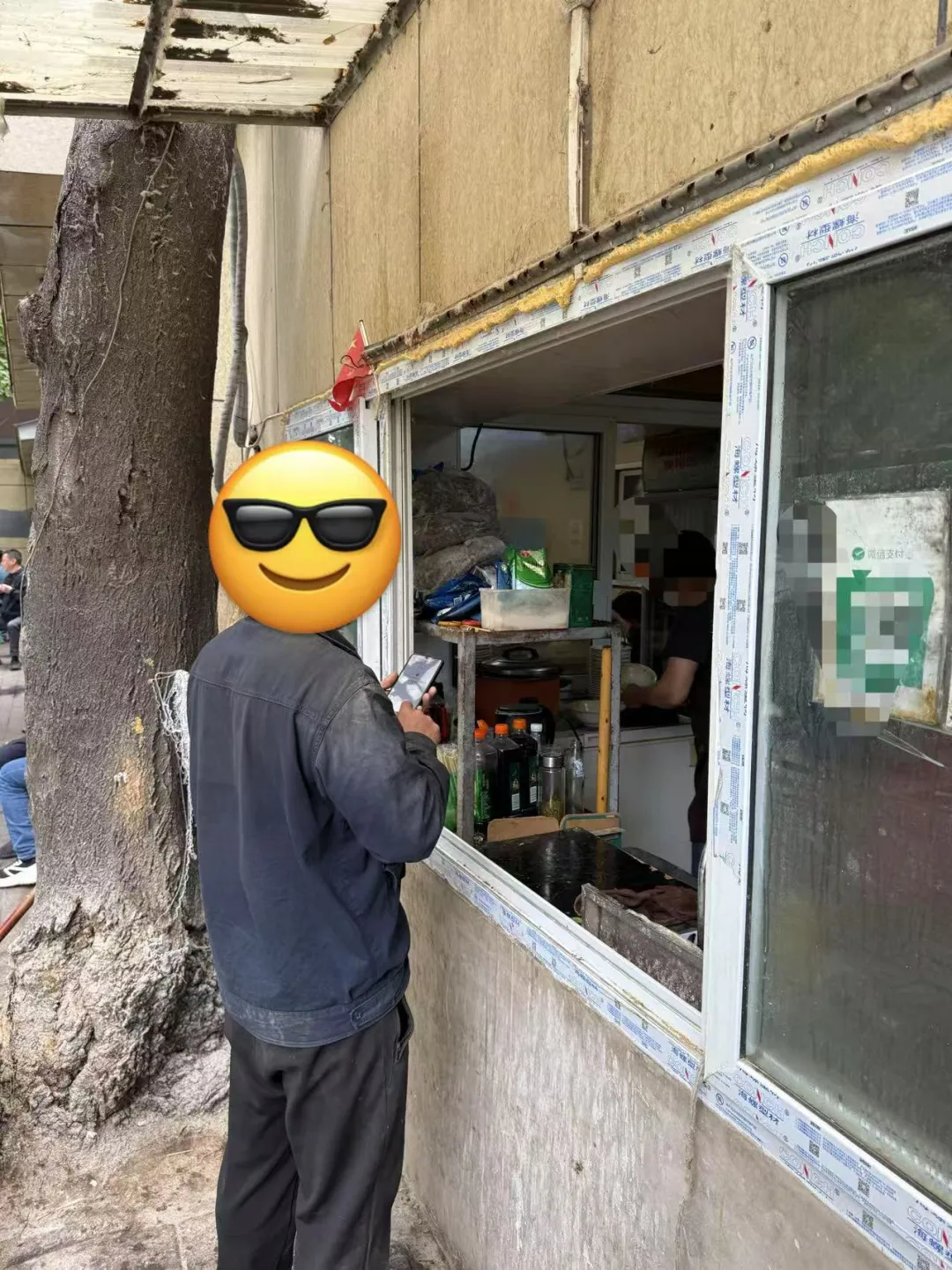
中年男人的精神寄托

Search documents
面馆,中年男人的精神码头
虎嗅APP· 2025-05-25 13:36
Core Viewpoint - The article explores how noodle shops in Beijing serve as a spiritual refuge for middle-aged men, providing a space for relaxation and socialization after work, contrasting with the pressures of their daily lives [3][10][21]. Group 1: Noodle Shops as Social Hubs - In Beijing, noodle shops function as a "homie bar" for middle-aged men, where they can unwind without the pressures of formal social interactions [11][12]. - These establishments are characterized by familiar menus and a sense of comfort, allowing patrons to escape the demands of their professional lives [4][9][23]. - The atmosphere in noodle shops fosters camaraderie among middle-aged men, who often share a common understanding and support for one another [11][21]. Group 2: Consumption Patterns - Middle-aged men exhibit a preference for familiar dishes, often ordering the same items out of habit rather than adventurousness, reflecting their desire for comfort [5][17]. - The average cost of a meal in these noodle shops is around 20 yuan, making them an economical choice for this demographic [17]. - The consumption behavior indicates a shift from extravagant dining to simpler, more affordable options as men navigate their middle age [17][20]. Group 3: Emotional and Psychological Aspects - Noodle shops provide a space for emotional release, where men can process their daily stresses and find solace in the act of eating [20][23]. - The ritual of eating noodles becomes a form of therapy, allowing men to momentarily escape their responsibilities and societal expectations [21][24]. - The experience of dining in these establishments is described as a comforting routine, offering a sense of stability amidst life's uncertainties [25].

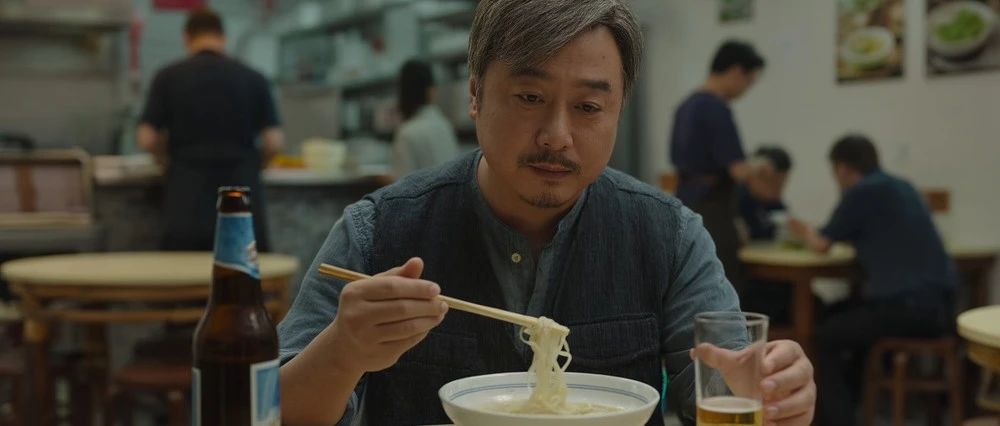
在北京,面馆才是中年男人的精神码头
36氪· 2025-05-25 13:18
Core Viewpoint - The article explores the significance of noodle shops in Beijing as a refuge for middle-aged men, providing them with a sense of comfort and community amidst the pressures of urban life [4][14][36]. Group 1: The Role of Noodle Shops - Noodle shops serve as a "brotherhood" for middle-aged men in Beijing, where they can relax and be themselves after work [4][12]. - These establishments are described as a "mini private room" for men to escape from their daily stresses, allowing them to enjoy a simple meal in a familiar environment [6][14]. - The menu choices reflect a preference for familiarity and comfort, with men often ordering the same few dishes out of habit rather than adventure [8][19]. Group 2: Psychological and Social Aspects - Noodle shops act as a psychological refuge, where men can find solace and camaraderie, contrasting with the pressures they face in their professional lives [14][36]. - The atmosphere in these shops fosters a sense of belonging, where men can share unspoken understanding and support without the need for formalities [14][34]. - The act of eating noodles becomes a ritual that signifies a return to simplicity and comfort, allowing men to momentarily escape their responsibilities [16][34]. Group 3: Economic Considerations - The affordability of noodle shops, with average costs around 20 yuan per meal, makes them an attractive option for middle-aged men who are increasingly budget-conscious [23][36]. - The article highlights how these noodle shops have become a staple in the lives of middle-aged men, often ranking among their top monthly expenditures [19][36]. - The consumption patterns indicate a shift towards seeking value and comfort in dining experiences, as opposed to more extravagant options [23][30].
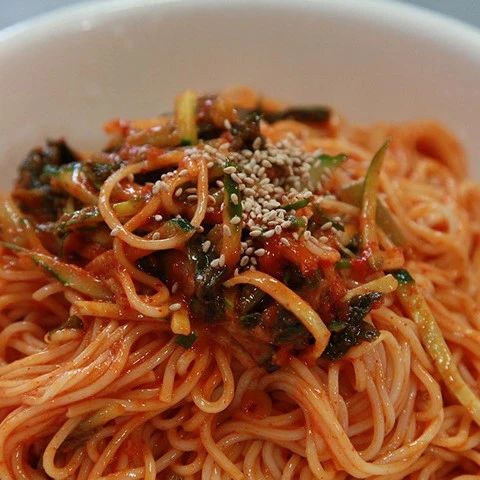
面馆,中年男人的精神码头
Hu Xiu· 2025-05-25 01:13
Core Insights - The article explores the significance of noodle shops in Beijing as a social and emotional refuge for middle-aged men, highlighting their role as a "homie bar" where these men can relax and escape the pressures of life [9][30]. Group 1: Social Dynamics - Noodle shops serve as a gathering place for middle-aged men in Beijing, akin to a brotherhood where they can connect without the pressures of formal social settings [2][9]. - These establishments provide a comfortable environment where men can shed their professional facades and enjoy genuine camaraderie [4][25]. - The menu choices reflect a preference for familiarity and comfort, with men often ordering the same few dishes out of habit rather than adventurousness [6][10]. Group 2: Emotional Significance - For many middle-aged men, noodle shops represent a psychological sanctuary, offering a space to unwind and find solace amidst life's challenges [11][27]. - The act of eating noodles becomes a ritual that signifies a return to simpler times, providing emotional relief and a sense of belonging [13][24]. - The experience of dining in these shops is described as a form of "micro-escape," allowing men to momentarily detach from their responsibilities and stress [14][21]. Group 3: Economic Context - Noodle shops are viewed as an affordable dining option, with average costs around 20 yuan, making them accessible for middle-aged men who are often budget-conscious [19][30]. - The article notes that these establishments are resilient, often thriving despite trends favoring more upscale dining experiences [7][19]. - The economic dynamics of noodle shops reflect a broader trend of consumption among middle-aged men, who prioritize value and comfort over luxury [19][24].