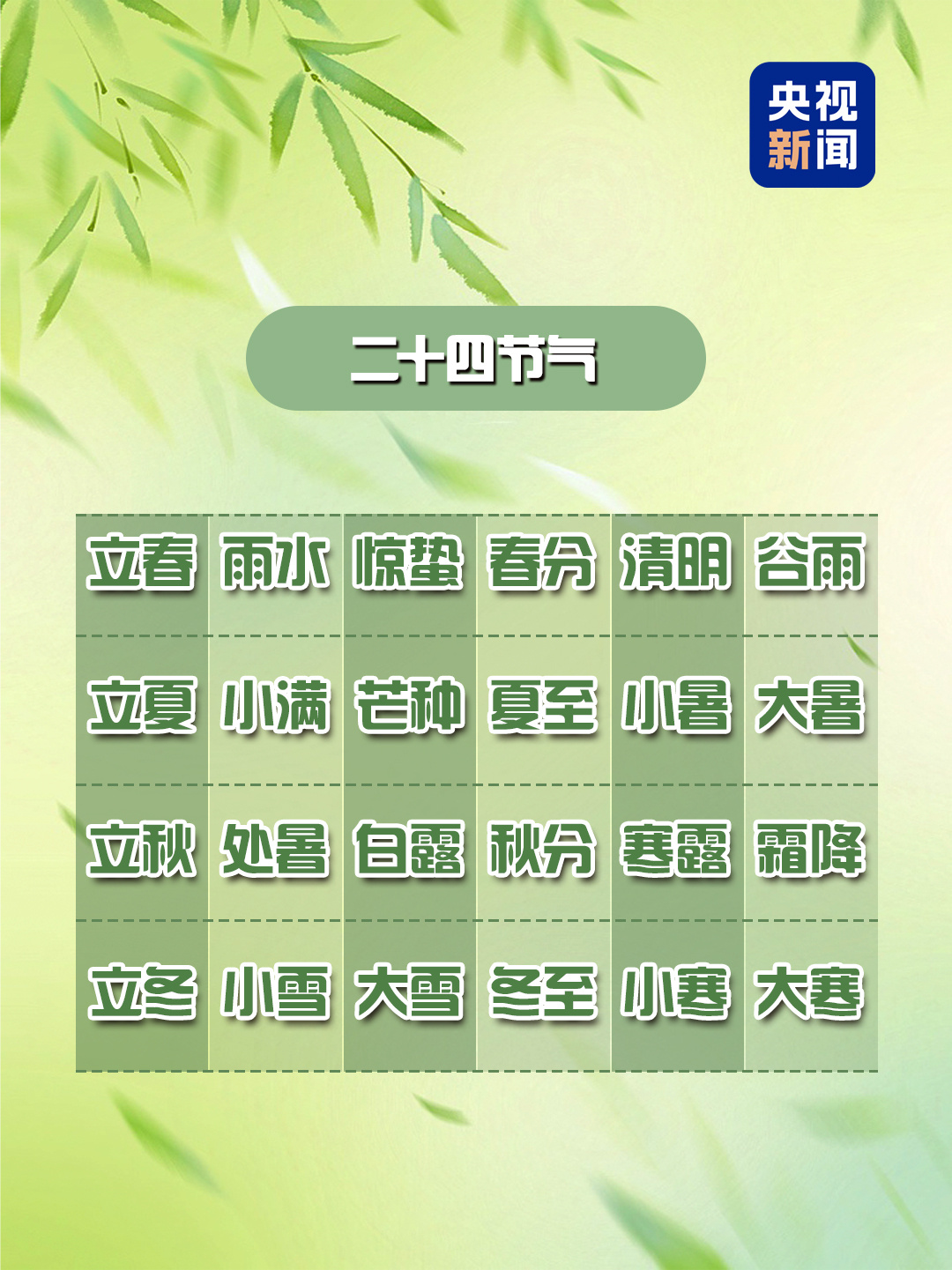
中气

Search documents
今年为啥又没有大年三十?下次要等到……
Xin Lang Cai Jing· 2026-01-24 11:21
Core Viewpoint - The article discusses the phenomenon of "New Year's Eve" (大年三十) disappearing for five consecutive years, with the next occurrence not expected until 2030, due to the traditional lunar calendar's structure and the nature of lunar months [1]. Group 1: Lunar Calendar Explanation - The lunar calendar is often mistakenly referred to as the lunar calendar, but it is actually a lunisolar calendar that incorporates both lunar and solar cycles [2][4]. - Lunar months are based on the moon's phases, with an average month lasting approximately 29.53 days, leading to a lunar year of about 354 days [2][7]. - To align with the solar year, which is about 365 days, the lunar calendar adds an extra month approximately every 2-3 years, known as a leap month [5][7]. Group 2: Disappearance of New Year's Eve - The absence of "New Year's Eve" for five consecutive years is attributed to the lunar calendar's structure, where the last month of the lunar year (腊月) is consistently a short month (29 days) during this period [13][14]. - The phenomenon of having two New Year's Days can occur when a leap month is added after the first month, resulting in two occurrences of the lunar New Year [14]. Group 3: Cultural Significance - The lunar calendar has been integrated into daily life and reflects a time-honored wisdom that has been passed down through generations, emphasizing its cultural importance [20].


今年为啥又没有大年三十?
Xin Lang Cai Jing· 2026-01-24 11:21
Core Viewpoint - The phenomenon of "New Year's Eve" disappearing will occur again until 2030 due to the traditional lunar calendar's structure and the occurrence of "small months" in the lunar calendar [1][14]. Group 1: Lunar Calendar Explanation - The lunar calendar is not merely a lunar calendar but a lunisolar calendar, which incorporates both lunar and solar cycles [2][4]. - The lunar calendar is based on the phases of the moon, with an average month lasting approximately 29.53 days, leading to a lunar year of about 354 days [2][7]. - To reconcile the time difference with the solar year, a leap month is added approximately every 2-3 years, creating a leap year [5][9]. Group 2: Disappearance of New Year's Eve - The absence of "New Year's Eve" is attributed to the fact that from 2025 to 2029, the lunar month of December will consistently be a "small month," which has only 29 days [13][14]. - The lunar calendar's structure allows for flexibility in month lengths, resulting in the phenomenon of "New Year's Eve" not appearing in certain years [13][14]. Group 3: Cultural Significance - The lunar calendar reflects ancient wisdom, integrating both lunar and solar cycles to guide agricultural practices and seasonal activities [9][21]. - The concept of having two New Year's Days can occur when a leap month is added after the first month, leading to two occurrences of the lunar New Year [14].
为什么会有闰月?带你了解农历背后的时间智慧→
Yang Shi Xin Wen· 2026-01-22 03:16
Core Viewpoint - The article discusses the disappearance of "New Year's Eve" (大年三十) for five consecutive years, highlighting the complexities of the lunar calendar and its impact on traditional celebrations [1][13]. Group 1: Lunar Calendar Explanation - The lunar calendar, often confused with the lunar calendar, is based solely on the moon's phases, with a complete cycle called a "synodic month" averaging about 29.53 days [2][4]. - A lunar year typically consists of about 354 days, which is shorter than the solar year of approximately 365 days [4][6]. - The lunar calendar, known as a "lunisolar calendar," incorporates both lunar and solar cycles to guide agricultural activities, resulting in a system that adjusts for seasonal changes [6][8]. Group 2: Leap Month and Its Implications - To reconcile the difference between the lunar year and the solar year, a leap month is added approximately every 2 to 3 years, referred to as a "leap month" [8][9]. - The placement of the leap month is determined by the 24 solar terms, starting from the beginning of spring [8][9]. - In some years, a leap month may occur after the first month, leading to two occurrences of the lunar New Year, although only the first is recognized as the official Spring Festival [16]. Group 3: Recent Observations - The absence of "New Year's Eve" for five years is attributed to the lunar calendar's flexible month lengths, where the last month (lunar December) has been consistently shorter [13]. - The phenomenon of having two New Year celebrations can occur in rare cases when a leap month follows the first month, resulting in two lunar New Year's [16].

为啥今年闰的偏偏是六月?规律原来这么简单
Yang Shi Xin Wen· 2025-07-25 14:27
Group 1 - The lunar calendar is a traditional Chinese calendar that balances the lunar cycle and the solar year, consisting of 12 months, with each month being either 29 or 30 days long [2] - A year with only 12 lunar months averages 354 days, which is about 11 days shorter than the solar year, leading to seasonal misalignment [2] - To correct this, the ancient Chinese devised the method of adding a leap month every two to three years, known as a leap month [2] Group 2 - The reason for the occurrence of a leap month in June is tied to the 24 solar terms, which are crucial for determining leap months [4][6] - Each lunar month must contain a solar term; if a month lacks a solar term, it is designated as a leap month from the previous month [6] - In the current lunar calendar, the month following June contains only one solar term, which is the beginning of autumn, thus making June a leap month [6] Group 3 - There are six instances of leap June in this century, occurring in the years 2017, 2025, 2036, 2055, 2074, and 2093 [11][12]