中美在拉美地区的博弈

Search documents
伪装撕下!特朗普迈阿密“宣战”,30国被逼上战车,中方需警惕
Sou Hu Cai Jing· 2026-02-21 09:22
Group 1 - The core agenda of the upcoming summit in Miami is to unite Latin American countries against China's influence in the region [4][6] - The summit is expected to include over thirty Latin American nations, indicating a significant effort by the U.S. to form a coalition against China [2][4] - The U.S. has previously held a defense ministers' meeting, suggesting a coordinated military and political strategy to counter China's presence in Latin America [8][9] Group 2 - The U.S. perceives China's growing influence in Latin America as a threat, leading to a sense of urgency and desperation in its diplomatic approach [10][16] - China's investments in infrastructure and trade have established strong ties with several Latin American countries, making it difficult for the U.S. to disrupt these relationships [12][14] - The U.S. has historically failed to provide substantial alternatives to Chinese investments, leading to skepticism among Latin American leaders regarding U.S. intentions [24][26] Group 3 - The summit is viewed as a political show rather than a genuine effort to foster cooperation, reflecting the U.S.'s anxiety over its declining influence [28][30] - Latin American countries are likely to prioritize their economic interests and continue to engage with China despite U.S. pressure [22][32] - The outcome of the summit may ultimately reinforce China's position in the region rather than diminish it, as countries recognize the benefits of cooperation with China [30][32]

“中国反击了:要求暂停与巴拿马进行新项目谈判、货物改道、加强进口商品检查”
Guan Cha Zhe Wang· 2026-02-06 10:09
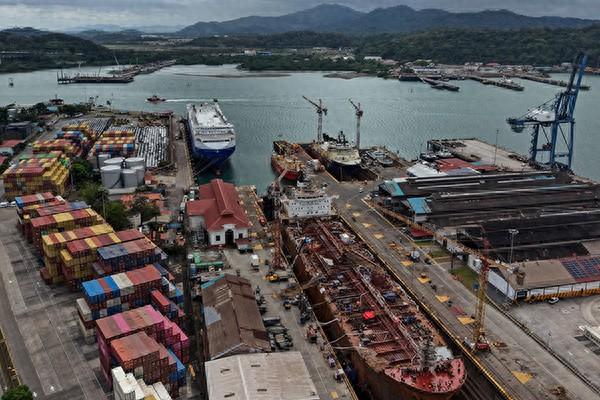
Core Viewpoint - The Panama Supreme Court has annulled contracts for two ports operated by Cheung Kong Holdings near the Panama Canal, prompting China to escalate its response and consider countermeasures [1][4]. Group 1: China's Response - China is reportedly taking broad countermeasures against Panama, including instructing state-owned enterprises to suspend negotiations on new projects, which could block potential investments worth billions of dollars [1]. - Chinese customs have increased inspections of imports from Panama, affecting agricultural products like bananas and coffee [1]. - The Chinese government has emphasized its commitment to protecting the legitimate rights of its enterprises in Panama, indicating a strong stance against the court's ruling [4][6]. Group 2: Impact on Investments - Cheung Kong Holdings has initiated arbitration against the Panama Supreme Court's ruling, claiming it has suffered "serious and imminent losses" and will seek extensive compensation [5]. - The ongoing projects in Panama, including a $1.4 billion bridge project and a cruise terminal, may also be impacted by the recent developments [1]. - The valuation and actual returns of a previous deal involving the sale of 43 ports, including the two in Panama, may be lower than expected due to the court's ruling [6]. Group 3: Broader Implications - Analysts suggest that China may weigh various responses through trade and investment, potentially collaborating with other countries in the region to take similar actions against Panama [5]. - The situation reflects the increasing economic leverage China holds over Panama, having become its largest trading partner since 2019 [5]. - The U.S. policies in Latin America are seen as both a pressure point and an opportunity for China, potentially leading more Latin American countries to choose cooperation with China in the long term [5].