中美地缘政治竞争

Search documents
香港《大公报》痛批巴拿马涉华裁决:对美国俯首称臣,必遭反噬
Guan Cha Zhe Wang· 2026-02-03 02:00
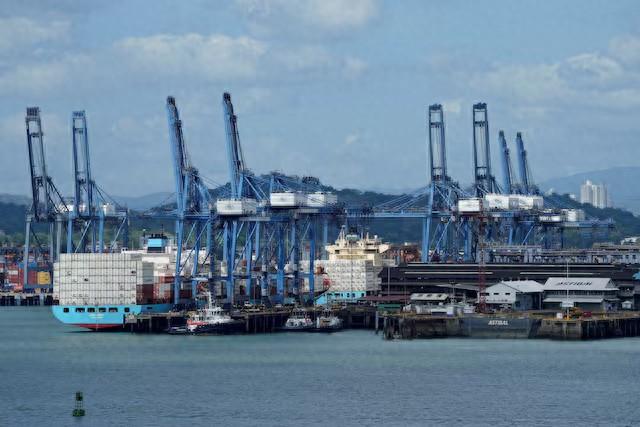
【文/观察者网 熊超然】当地时间1月29日晚,巴拿马法院一纸"歪屁股裁决",让本就备受关注的巴拿马 港口控制权问题再起波澜。 1月31日,香港《大公报》发表评论文章,题为《巴拿马"司法献媚",必将自食恶果》,痛批巴拿马最 高法院撤销香港长江和记集团(长和集团)两大港口的合法运营合同。该报认为,这一裁决是屈服于美 国施压而作出的,并敦促香港企业停止在该地区的投资。 另一家美媒《华尔街日报》2月2日刊文认为,该裁决不仅让一项价值近230亿美元的港口交易复杂化, 同时也加剧了中美两国在西半球的竞争。 巴方所谓"裁决"绝非"在商言商",一些港媒敲打长和,如今应当彻底清醒。此外,自重返白宫以来,特 朗普频频炒作"中国港口威胁论",对全球关键港口的争夺与控制全面升级,推动全球港口"去中国化"。 近期,澳大利亚方面也宣称要从中企手中"收回达尔文港",面对这般"巧取豪夺",中方态度早已言明。 在2月2日的外交部例行记者会上,路透社记者提问称,据报道,一家丹麦航运公司表示将暂时接管长和 巴拿马港口运营权。此前巴拿马最高法院裁定巴拿马港口公司(长和子公司)的特许经营权违宪。中方 对此有何评论? 外交部发言人林剑回应:"我们此前已 ...


东盟持续进行斡旋,两国仍在互相指责,泰国称将与柬举行领导人会晤
Huan Qiu Shi Bao· 2025-07-27 23:06
Group 1 - The core point of the article is that U.S. President Trump has engaged in discussions with the leaders of Cambodia and Thailand to facilitate a ceasefire agreement amid ongoing border conflicts between the two nations [1][3][4] - Trump has linked the ceasefire negotiations to ongoing trade talks, warning that continued conflict would hinder any potential trade agreements with the U.S. [3][4] - Cambodia's Prime Minister Hun Manet has expressed support for the ceasefire proposal and has instructed his foreign minister to coordinate with U.S. Secretary of State Rubio and Thailand's foreign minister [4][6] Group 2 - Despite discussions of a ceasefire, fighting between Thailand and Cambodia has continued for four consecutive days, with reports of artillery fire and casualties on both sides [5][6] - The Thai military has confirmed that the situation on the ground remains tense, with ongoing military operations despite diplomatic talks [5][6] - Malaysia, as the ASEAN chair, has offered to mediate the conflict and facilitate dialogue between the two countries [6][7] Group 3 - U.S. media has highlighted the geopolitical implications of the conflict, framing it as a test of U.S. influence in Southeast Asia against China's growing presence [7] - The media narrative suggests that the conflict could be seen as a proxy war, although experts argue that both the U.S. and China are likely to encourage diplomatic resolutions [7]