中草药护肤

Search documents
中国概念重塑全球商业,一场话语权的底层革命
Sou Hu Cai Jing· 2025-09-01 09:37
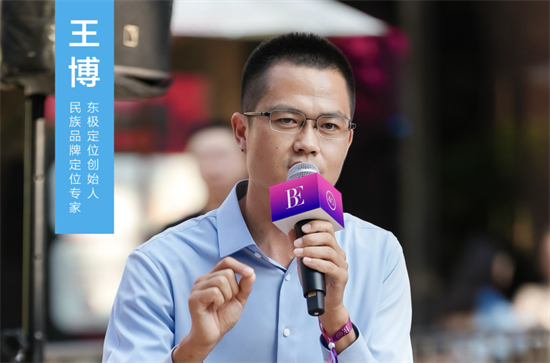
Group 1 - The global skincare market is witnessing a significant shift, with Chinese brands expected to capture over 55.2% market share in 2024, reflecting a 21.2% year-on-year sales increase [1] - The rise of Chinese brands is driven by a combination of scientific research capabilities and cultural narratives, with companies like Huaxi Biological investing 6.8% of their revenue in R&D, significantly higher than the 1.5% to 3.5% spent by international giants [1] - The challenge for Chinese brands is to transition from being "followers" to "leaders" in the global market, particularly in terms of narrative and brand positioning [1] Group 2 - Wang Bo, a branding expert, emphasizes that the essence of business competition lies in the battle for concepts, where foreign brands hold an advantage in defining value in consumers' minds [3][4] - Chinese brands have moved beyond mere OEM and are now aiming to lead in technology and narrative, with a focus on reclaiming the narrative power [4] - Differentiated concepts serve as strategic anchors in consumers' minds, allowing brands to establish a unique position that is difficult for competitors to replicate [4][6] Group 3 - Wang Bo's successful strategies for brands like Feihe and Xiangyi Bencao highlight the importance of deep market insights and the need to redefine competition rules through differentiated concepts [6][7] - Xiangyi Bencao faced intense competition but successfully repositioned itself as a "Chinese herbal skincare expert" by leveraging its roots in traditional Chinese medicine, thus differentiating itself from both domestic and international competitors [7][9] - The concept of "herbal skincare" not only enhances brand recognition but also aligns with the growing trend of national pride in Chinese products, positioning Xiangyi Bencao as a leader in the domestic skincare market [9]

从中国智造到中国立意,开启民族品牌的概念远征
Sou Hu Wang· 2025-09-01 09:16
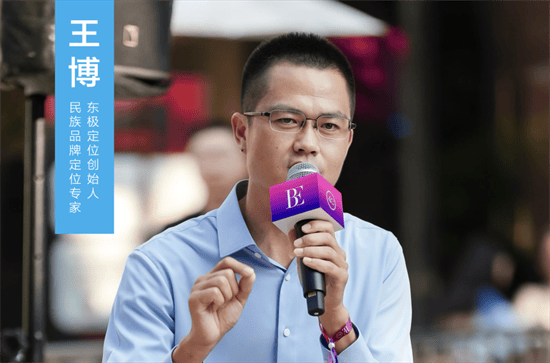
Group 1: Market Dynamics - The global skincare market is witnessing a shift in power, with Chinese brands expected to capture over 55.2% market share in cosmetics by 2024, reflecting a year-on-year sales increase of 21.2% [1] - Chinese brands are leveraging both scientific research and cultural narratives to drive this transformation, with companies like Huaxi Biological investing 6.8% of their revenue in R&D, significantly higher than the 1.5% to 3.5% spent by international competitors [1] Group 2: Conceptual Warfare - The essence of market competition is identified as a "conceptual battle," where the ability to define value in the consumer's mind is crucial for success [3][4] - Chinese brands must reclaim narrative power to transition from being followers to leaders in the global market [3][4] Group 3: Strategic Positioning - Differentiation in branding is essential, as it establishes a strategic position in consumer perception, which is harder to replicate than products or technology [4][6] - Successful examples include Feihe's positioning of its formula as "more suitable for Chinese babies," which disrupted the notion that imported products are superior, leading to significant growth from 3 billion to 20 billion [6] Group 4: Case Studies in Branding - The brand Xiangyi Bencao faced intense competition but successfully repositioned itself as a "Chinese herbal skincare expert" by leveraging its cultural heritage and product ingredients [7][9] - This strategic shift allowed Xiangyi Bencao to stand out in a crowded market and align with the growing trend of national pride in Chinese products [9][10] Group 5: Future Outlook - The narrative suggests that as more Chinese brands win their conceptual battles, China will transition from being a manufacturer to a global leader in defining industry standards and values [12] - The ongoing conceptual struggle is seen as pivotal for establishing China's position in the global value chain, marking a cultural renaissance alongside commercial success [12]