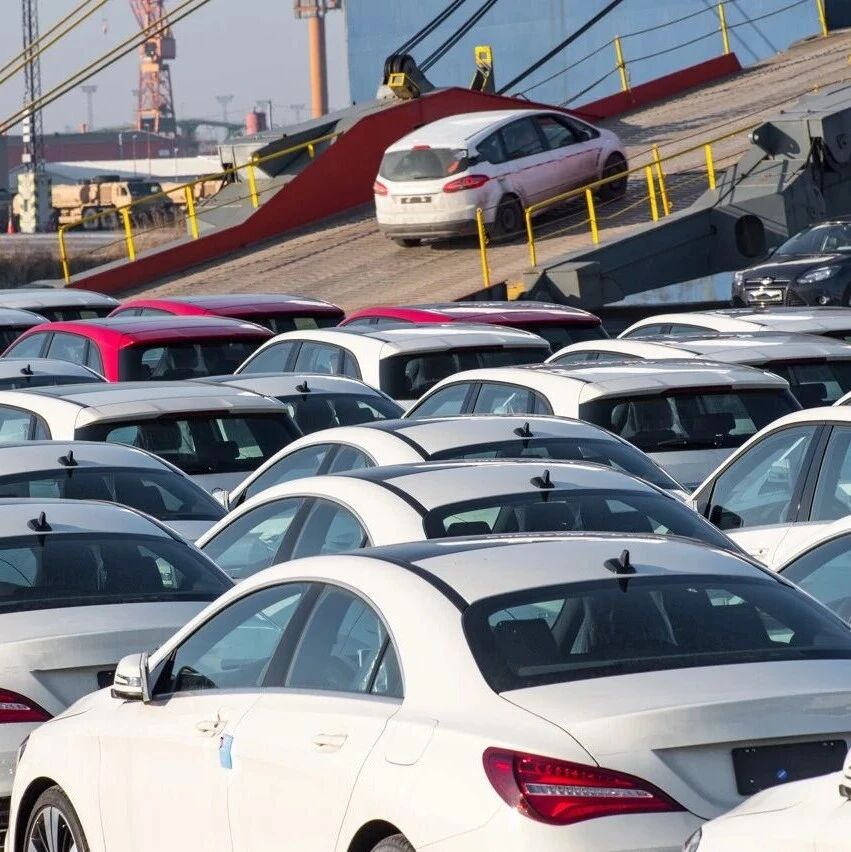
二手车出口新政

Search documents
二手车出口新政出鞘:半数中小外贸车商将被淘汰
Jing Ji Guan Cha Bao· 2025-12-07 07:04
Core Viewpoint - The new policy on used car exports in China is expected to significantly reshape the industry, leading to the elimination of approximately half of the small and medium-sized foreign trade car dealers due to stricter regulations on exporting vehicles labeled as "used" [1][2][3]. Summary by Sections Policy Changes - The new regulations, effective from January 1, 2025, will strictly control the export of new cars under the guise of used cars, requiring a "Post-Sale Maintenance Service Confirmation" for vehicles registered less than 180 days prior to export [2][3]. - The policy aims to eliminate the practice of exporting "zero-kilometer used cars," which have been a significant part of the export market, causing confusion and unfair competition [3][6]. Industry Impact - The number of used car exporters in China, currently around 3,000, is projected to decrease by at least 50% due to the new regulations, particularly affecting smaller traders and those less knowledgeable about the market [3][5]. - The export volume of used cars has surged from under 3,000 units in 2019 to an estimated 436,000 units in 2024, but this growth may face a downturn as the new policy is implemented [5][6]. Market Dynamics - Despite the anticipated short-term pain, the long-term outlook for used car exports remains positive, with expectations of reaching over 600,000 units by 2025, particularly in Southeast Asia [6][8]. - The demand for used cars in overseas markets, especially in regions like Russia, Central Asia, and Africa, is expected to remain strong, providing opportunities for compliant exporters [6][9]. Strategic Intent - The policy is designed to elevate the quality of exports and ensure compliance with international standards, moving the industry from a focus on volume to one centered on high-quality service and long-term value [9][10]. - The shift aims to stabilize domestic used car prices and promote new car consumption by addressing the oversupply in the domestic market [10].
二手车出口新政出鞘:半数中小外贸车商将被淘汰
经济观察报· 2025-12-07 04:31
Core Viewpoint - The new policy for second-hand car exports is not merely a tightening but an "upgrade and a change of lane," positioning China to potentially become the largest second-hand car exporter to Africa, replacing Japan [1][14]. Summary by Sections Policy Changes - The new regulations, effective from January 1, 2025, will strictly control the export of new cars under the guise of second-hand vehicles, requiring a "Post-Sale Maintenance Service Confirmation" for vehicles registered less than 180 days [2][5]. - The policy aims to eliminate the "zero-kilometer second-hand cars" that have dominated exports, which have caused market confusion and regulatory evasion [5][11]. Market Impact - The number of second-hand car exporters is expected to halve, with around 3,000 current exporters facing significant challenges due to the new regulations [6][9]. - The export volume of second-hand cars has surged from under 3,000 units in 2019 to an estimated 436,000 units in 2024, a growth of over 145 times, but this may face a downturn due to the new policy [9][10]. Future Outlook - Despite short-term pain, the long-term outlook for second-hand car exports remains positive, with expectations of reaching over 600,000 units by 2025, particularly driven by demand in Southeast Asia and Africa [9][10]. - The policy encourages a shift towards high-quality exports, emphasizing service and supply chain integration, which is crucial for maintaining competitiveness in international markets [13][14]. Strategic Intent - The dual strategic intent of the policy includes preventing a repeat of past mistakes in the automotive export sector and addressing domestic market saturation by promoting overseas sales of second-hand vehicles [14].