二级财政

Search documents
江苏“十三太保”,都是“二级财政”?
Hu Xiu· 2025-07-29 06:11
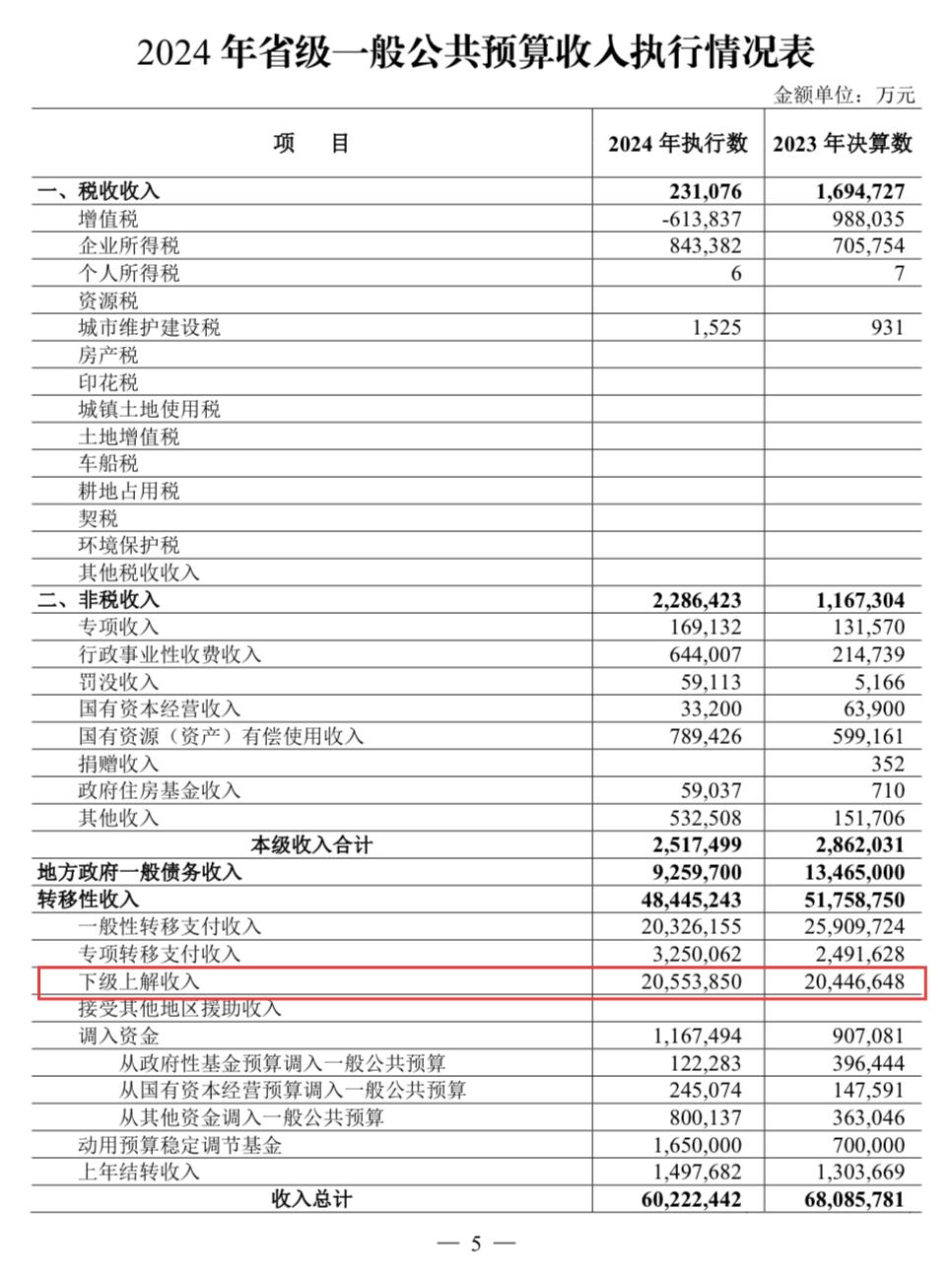
Core Viewpoint - The concept of "secondary finance" and "tertiary finance" in discussing China's regional economic issues, particularly in Jiangsu, is widely misunderstood and oversimplified [1][4][7]. Group 1: Understanding Jiangsu's Fiscal System - Jiangsu's 13 prefecture-level cities, including Nanjing, are often described as having a "secondary finance" system, directly connecting with the central government without provincial mediation [2][3]. - This perception of Jiangsu's fiscal structure as entirely "secondary finance" is a significant misconception [4]. - To comprehend Jiangsu's fiscal system, a broader understanding of China's fiscal hierarchy is necessary, which consists of five levels: central, provincial, prefectural, county, and township [6]. Group 2: Taxation and Revenue Distribution - China transitioned from a fiscal package system to a tax-sharing system, where the central and local governments share tax revenues, significantly enhancing central government finances while weakening local government finances [8]. - In Jiangsu, the provincial tax revenue is only 23.11 billion, while the total provincial revenue reaches 7642.03 billion, indicating that provincial revenue constitutes a mere 0.3% of the total [12]. - The "lower-level revenue sharing" in Jiangsu is substantial, with 2055.39 billion received from lower-level governments, which is about eight times the provincial revenue [12][13]. Group 3: Unique Fiscal Logic in Jiangsu - Jiangsu's fiscal model operates on a "package logic" where cities retain most of their revenue after meeting provincial obligations, contrasting with the tax-sharing logic seen in other provinces [15]. - The proportion of local fiscal revenue retained at the city level in Jiangsu is 77.02%, higher than in Guangdong and Zhejiang [16]. - Recent government initiatives aim to reform Jiangsu's fiscal system to align more closely with the national tax-sharing model, moving away from the unique "package logic" [16][17].
江苏“十三太保”是二级财政?
第一财经· 2025-06-16 09:10
Core Viewpoint - The article clarifies the misconception regarding Jiangsu Province's fiscal structure, specifically the idea of a "secondary fiscal" system, emphasizing that local cities are required to contribute to the provincial budget despite claims to the contrary [1][3][4]. Fiscal Structure - Jiangsu Province operates under a fiscal system where local cities must remit a portion of their revenues to the provincial government, contrary to the belief that they do not need to pay provincial taxes [1][3]. - The fiscal management in China is based on a tax-sharing system, where major taxes like VAT are split between central and local governments, with Jiangsu's local cities also participating in this revenue-sharing model [2][3]. Budgetary Data - In 2024, Jiangsu's provincial general public budget revenue is projected to be approximately 602.2 billion yuan, accounting for about 37% of the total provincial budget revenue [3]. - The provincial government is expected to receive only 2.3 billion yuan from tax revenues, which is a mere 0.3% of the total tax revenue of around 764.2 billion yuan for the province [3]. Revenue Contributions - Local cities contributed approximately 205.5 billion yuan to the provincial budget in 2024, representing about 34% of the provincial total revenue [4][5]. - The misconception of a "secondary fiscal" system arises from the relatively small share of tax revenue retained by the provincial government, leading some to believe that local cities do not contribute to provincial finances [4]. Fiscal Reforms - Jiangsu Province is actively reforming its fiscal responsibilities and revenue-sharing mechanisms to better align with local economic conditions, including adjusting the distribution of tax revenues between provincial and local governments [5][6]. - The provincial government has issued guidelines to enhance the clarity of fiscal responsibilities, aiming to optimize the allocation of tax revenues based on stability and regional characteristics [5].


江苏“十三太保”是二级财政?这个说法是误解
Di Yi Cai Jing· 2025-06-16 08:24
Core Viewpoint - The notion of "secondary finance" in Jiangsu Province is a misunderstanding; in reality, cities in Jiangsu are required to pay a certain percentage of their fiscal revenue to the provincial government, indicating a "tertiary finance" structure instead [2][3][6]. Group 1: Fiscal Structure - Jiangsu Province operates under a "tertiary finance" system, where cities do not have a "secondary finance" status and must contribute to the provincial budget [2][4]. - The provincial government collects approximately 602.2 billion yuan in general public budget revenue for 2024, accounting for about 37% of the total provincial budget revenue [3][6]. - The tax revenue for the provincial government in 2024 is projected to be only 2.3 billion yuan, which is a mere 0.3% of the total tax revenue of approximately 764.2 billion yuan for the province [3][6]. Group 2: Revenue Distribution - The provincial government anticipates receiving about 205.5 billion yuan from lower-level governments, which constitutes around 34% of the total provincial revenue for 2024 [3][6]. - The fiscal management system in Jiangsu is characterized by a complex revenue-sharing model, where tax revenues are divided among the central, provincial, and local governments based on specific tax types [2][7]. - Recent reforms aim to optimize the division of fiscal responsibilities and revenue sharing between provincial and municipal governments, adjusting the sharing methods based on the stability and distribution of tax bases [7].