云技术等)

Search documents
从米兰巨幅广告到快闪店,冬奥迎来史上最多中国顶级赞助商
Di Yi Cai Jing· 2026-02-14 23:45
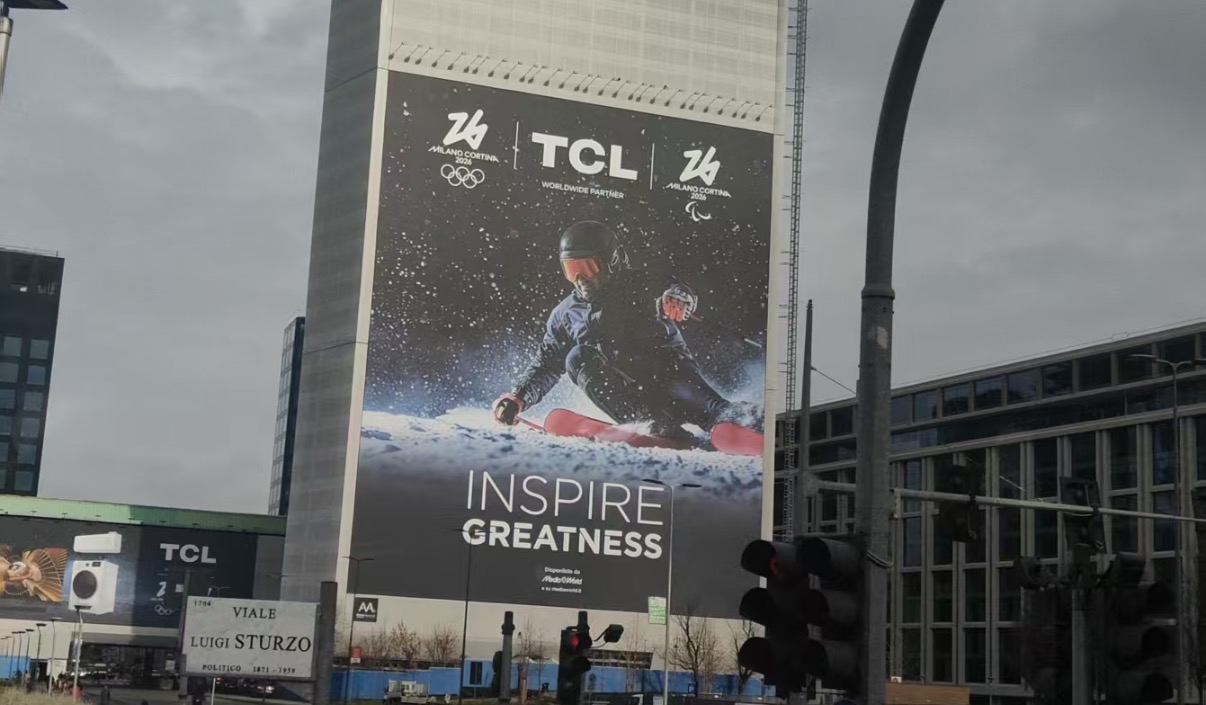
Core Insights - The Milan-Cortina Winter Olympics has become a significant platform for commercial competition among global brands, with a strong presence of sponsors in the city and at the events [1][3][12] Group 1: Sponsorship and Advertising - Major sponsors like TCL, Alibaba, and Coca-Cola are part of the Olympic Top Partners (TOP) program, with this edition featuring the highest number of Chinese brands as TOP sponsors [3][12] - The city of Milan has transformed into a Winter Olympics-themed venue, with prominent outdoor advertisements from sponsors like TCL and Samsung, showcasing their products alongside Olympic imagery [4][5] - The TOP program includes 12 sponsors, with significant representation from both Chinese and American companies, highlighting a shift in commercial power dynamics [5][12] Group 2: Brand Engagement and Experience - Sponsors have created interactive experiences for athletes and visitors, such as TCL's lounge in the Olympic Village featuring their products and Alibaba's interactive booth [6][8] - The use of advanced technology, including AI and cloud services, enhances the viewing experience and operational efficiency during the Olympics, with Alibaba and TCL playing key roles [14][16] Group 3: Financial Impact and Revenue - The TOP program is a crucial revenue source for the International Olympic Committee (IOC), contributing significantly to the funding of the Olympics and global sports development [8][9] - Historical data shows that the TOP program's revenue share has increased from 30% to 36% in recent Olympic cycles, indicating its growing importance [9] Group 4: Market Expansion and Strategy - Companies like TCL are leveraging the Olympics to expand their international market presence, particularly in Italy, where they have seen substantial growth in market share [16] - The competitive landscape is shifting, with traditional brands exiting the TOP program and new technology-focused companies gaining prominence, reflecting changes in consumer preferences and market dynamics [13][16]