互换式旅游

Search documents
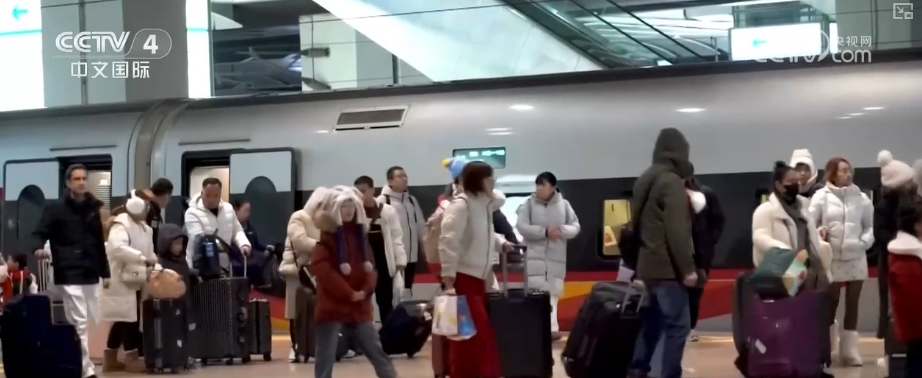
新春观察·从地理迁徙到情感抵达 多视角透视长假出行新图景
Yang Shi Wang· 2026-02-15 05:23
Core Insights - The first day of the Spring Festival holiday on February 15 marks the beginning of a peak travel period, with significant increases in passenger flow across railways, highways, and civil aviation [1][4][9] - The 2026 Spring Festival is characterized by a trend of "reverse New Year," where families are shifting from traditional homecoming to inviting parents to cities for celebrations, reflecting a change in travel dynamics [17][20] Transportation Overview - National railway is expected to send 13.95 million passengers, while highway traffic is projected to exceed 37 million vehicles, with self-driving trips accounting for about 80% of the total [4][9] - The traffic flow on highways is anticipated to show a "low before high" pattern, with significant increases starting from the second day of the Lunar New Year [7] Travel Trends - The 2026 Spring Festival will feature a record 9-day holiday, with high travel intentions among urban and rural residents, leading to a diverse range of cultural and tourism offerings [14] - There is a notable increase in tourism between northern and southern regions, with visitor numbers to places like Xinjiang and Heilongjiang rising by 21% compared to the same period in 2025 [12] Emotional and Social Dynamics - The concept of "reverse New Year" not only adjusts travel directions but also enhances the efficiency of transportation and redefines the meaning of family reunions, making them more flexible and warm [20] - The travel patterns during the holiday reflect a blend of geographical movement and emotional connections, showcasing a vibrant and dynamic China [20]

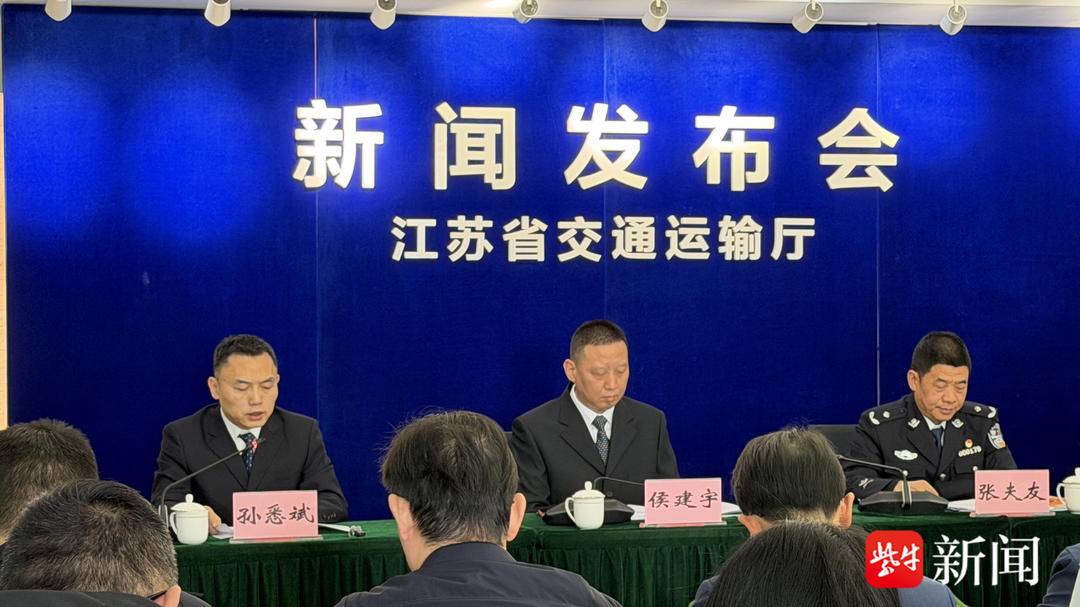
春节假期我省预计发送旅客1685万人次
Xin Hua Ri Bao· 2026-02-11 00:34
Group 1 - The core viewpoint of the news is that during the Spring Festival holiday from February 15 to February 23, 2026, Jiangsu Province is expected to see a record high in passenger traffic across public transport modes, with approximately 16.85 million travelers anticipated [1] - The average daily exit flow on highways during the Spring Festival is projected to be around 3.42 to 3.59 million vehicles, representing a year-on-year increase of approximately 4.5% [2] - The proportion of self-driving trips is expected to approach 80%, increasing the pressure on road network maintenance [2] Group 2 - The railway sector will increase the number of temporary trains by 229 pairs to accommodate the expected surge in passenger volume, particularly on popular routes [3] - The civil aviation sector is expected to see a significant rise in various travel types, with increased flight capacity on routes to popular destinations such as Harbin and Sanya [3] - During the Spring Festival, airports in Jiangsu Province are expected to transport over 1.6 million passengers, with Nanjing Airport alone averaging over 95,000 passengers daily [3]
春节假期我省预计发送旅客一千六百八十五万人次
Xin Hua Ri Bao· 2026-02-10 23:29
Group 1 - The core viewpoint of the news is that during the Spring Festival holiday from February 15 to February 23, 2026, Jiangsu province is expected to see a record high in passenger traffic across public transport modes, with approximately 16.85 million travelers anticipated [1] - The average daily exit flow on highways during the Spring Festival is projected to be around 3.42 to 3.59 million vehicles, representing a year-on-year increase of about 4.5% [2] - The proportion of self-driving trips is expected to approach 80%, increasing the pressure on road network maintenance [2] Group 2 - The railway sector will increase the number of temporary trains by 229 pairs to accommodate the expected surge in passenger volume, particularly on popular routes [3] - The civil aviation sector is seeing a rise in various travel types, with significant growth in "winter escape" and "ice and snow" tourism, leading to increased flight capacity on specific routes [3] - During the Spring Festival, airports in Jiangsu province are expected to transport over 1.6 million passengers, with Nanjing Airport averaging over 95,000 passengers daily [3]
春节假期江苏出行变化多
Jiang Nan Shi Bao· 2026-02-10 14:23
Group 1: Travel Trends - The travel pattern during the Spring Festival has shifted from concentrated migration to "multiple trips and segmented flow" [1] - The scale of passenger travel during the Spring Festival is slightly higher than the same period last year, with an increase in the proportion of "multiple trips" [1] - The overall travel trend is characterized by "dispersed before the festival, active during the festival, and concentrated after the festival" [1] Group 2: Transportation Modes - Self-driving has become the mainstream mode of transportation for short to medium-distance travel, with nearly 80% of the public expected to travel by car during the Spring Festival [2] - The average daily exit flow on highways is projected to reach approximately 3.42 to 3.59 million vehicles, marking a year-on-year increase of about 4.5% [2] - The proportion of railway passengers making two or more trips is expected to exceed 30%, a new high since 2023 [1][2] Group 3: Tourism Highlights - Various types of tourism have become a highlight during the Spring Festival, with significant growth in "winter escape" trips to the south and "ice and snow" trips to the north [3] - Outbound tourism is experiencing a surge, with popular destinations including Thailand and Malaysia, while inbound tourism is also seeing notable growth [3] - Nanjing has been selected as one of the top ten destinations for inbound tourists [3]
史上最长春节假期,自驾出行占比约八成,23日将迎江苏高速车流最高峰
Yang Zi Wan Bao Wang· 2026-02-10 05:29
Core Insights - The 2026 Spring Festival holiday in Jiangsu Province is expected to be the longest in history, lasting 9 days, with an estimated 16.85 million travelers using public transport [1][3] - New travel trends include "segment travel" and "multiple trips," with many families opting for a journey that combines returning home and traveling with family [3][6] Travel Volume and Trends - The overall travel volume during the Spring Festival is projected to be slightly higher than last year, with a notable increase in the proportion of multiple trips, including 13% of air travelers and over 30% of rail travelers expected to travel more than once [3][4] - The travel pattern is characterized by a "pre-holiday dispersion, mid-holiday activity, and post-holiday concentration" [3] Highway Traffic - Daily average traffic on highways is expected to reach new highs, with an estimated 3.42 to 3.59 million vehicles, marking a 4.5% increase year-on-year [4] - The peak traffic day is anticipated to be February 23, with an estimated flow of 4.19 to 4.4 million vehicles [4] Self-Driving Trends - Nearly 80% of travelers are expected to use self-driving for their trips, supported by an expanding highway network in Jiangsu, which will reach 5,560 kilometers by the end of 2025 [5] - The increase in private car ownership, particularly electric vehicles, is expected to challenge road network management during the holiday [5] Tourism Highlights - There is a significant rise in "interchange tourism," with increased travel to southern destinations for warmth and northern destinations for winter sports [6] - Domestic and international tourism is booming, with popular outbound destinations including Thailand and Malaysia, and inbound tourism seeing a notable increase [6]