反向春运

Search documents
好评中国|AI创意长图:“流动中国”春潮涌,文旅活力绘宏图
Huan Qiu Wang· 2026-02-27 07:37
Group 1 - The core theme of the article highlights the vibrant revival of cultural tourism in China during the 2026 Year of the Horse Spring Festival, showcasing a blend of traditional culture and modern travel experiences [2][10] - The transformation from "check-in tourism" to "immersive experiences" is accelerating, with significant increases in hotel bookings in places like Huangshan and Jingdezhen, where visitors engage in hands-on activities like printing traditional New Year paintings [5][10] - The integration of folk customs, cultural relics, and tourism has led to the popularity of themed products such as the Red Rabbit Horse and the Dilu Horse, appealing to younger audiences and becoming a key driver of holiday consumption [7][10] Group 2 - The surge in cultural tourism reflects the strong resilience and intrinsic momentum of the Chinese economy, with substantial year-on-year growth in hotel night stays and ticket bookings during the Spring Festival [10][19] - The concept of "reverse Spring Festival travel" has emerged, with families opting for parents traveling to cities instead of just children returning home, supported by a robust transportation network [13][16] - The railway sector has enhanced travel efficiency through measures like expanded "silent carriages" and "facial recognition boarding," facilitating cross-border cultural exchanges and injecting strong momentum into the holiday economy [16][19]


未知机构:中国春节黄金周数据显示旅游人次显著改善核心结论-20260227
未知机构· 2026-02-27 02:35
Summary of Conference Call Records Industry Overview - The records focus on the **Chinese tourism industry** during the **Spring Festival Golden Week** and its implications for the accommodation sector and consumer spending. Key Points Domestic Tourism Data - During the Spring Festival Golden Week, domestic tourist numbers and tourism revenue increased by **5.7%** and **5.5%** year-on-year, respectively, following an adjustment in holiday length [1][2] - The nine-day holiday period (February 15-23, 2026) was longer and later than in previous years, typically accounting for about **10%** of annual tourism revenue [1] - Compared to pre-pandemic levels (2019), domestic tourist numbers were up by **33.3%**, while tourism revenue was **21.6%** higher [2] Consumer Spending Insights - Per capita tourism revenue remained flat compared to last year, indicating constrained consumer spending capacity, with a decline of **8.8%** compared to pre-pandemic levels [2] - Daily average income in consumption-related industries grew by **13.7%** during the holiday, compared to **4.5%** growth during last year's National Day holiday [2] - Sales of smart home appliances, such as robotic vacuum cleaners and high-end TVs, increased by **19%** due to ongoing consumer incentives [2] Cross-Border Travel Trends - Cross-border travel activity saw a significant increase, driven by extended holidays and visa-free policies, with daily average cross-border (inbound + outbound) passenger numbers rising by **10.1%** year-on-year [3] - The trend of "reverse Spring Festival travel" emerged, with an increase in older travelers (aged 50 and above) booking train tickets to major cities, reflecting a **25%** increase in bookings [3] Accommodation Sector Performance - The accommodation sector experienced enhanced growth momentum during the Spring Festival, although overall housing consumption remained constrained by a weak real estate market [4] - The upcoming **March "Two Sessions"** and the full text of the **14th Five-Year Plan** are expected to provide more details on China's short- and long-term plans to boost consumption [4] Additional Observations - The average box office revenue during the Spring Festival was reported at **5.8 billion yuan**, marking the lowest daily average since the pandemic, influenced significantly by major film releases [2] - The visitor numbers from mainland China to Hong Kong showed a **11.1%** year-on-year increase during the holiday, indicating a recovery trend [3][4] This summary encapsulates the key insights and data points from the conference call records, highlighting the current state and trends within the Chinese tourism industry and its related sectors.
从“空城”到“满城烟火” 深圳新春的温暖转身
Chang Jiang Shang Bao· 2026-02-27 00:13
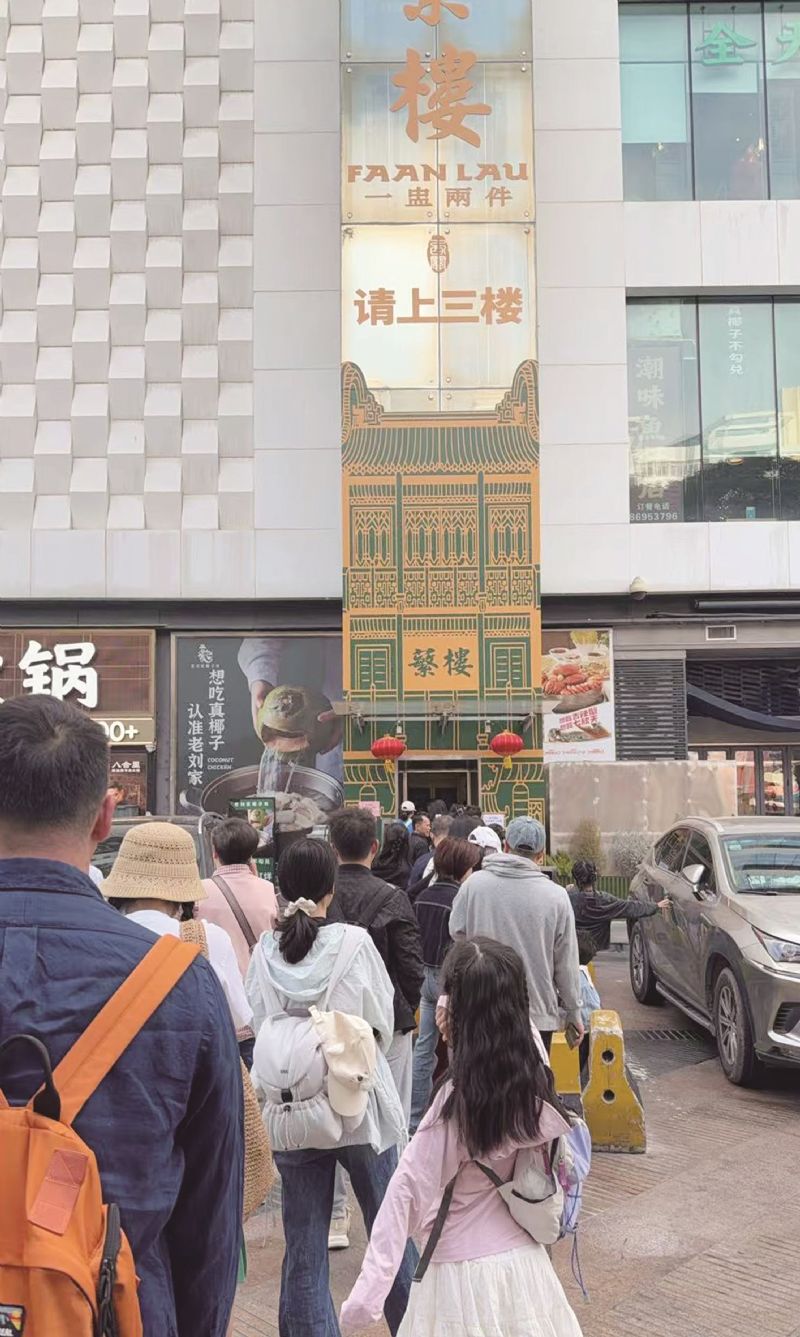
Core Viewpoint - Shenzhen has transformed from a "ghost city" during the Spring Festival to a vibrant and bustling metropolis, with increased human activity and festive atmosphere this year [3][6]. Group 1: City Atmosphere - The city is experiencing a revival in human activity, with many migrant workers choosing to celebrate the New Year locally, leading to a new trend of "reverse Spring Festival travel" [3]. - Streets are adorned with decorations, and popular areas like Shenzhen Bay are filled with families and tourists enjoying the festive environment [3]. - The overall atmosphere is characterized by warmth and celebration, contrasting sharply with previous years' quietness during the holiday [3][6]. Group 2: Tourism and Attractions - Shenzhen's tourism has seen a significant increase, with various attractions, including the Shenzhen Science Museum, becoming popular destinations for families [4][6]. - The Science Museum features interactive exhibits in fields like aerospace and artificial intelligence, drawing large crowds and providing educational experiences for children [4]. - The city is now recognized for its vibrant tourism, with family-oriented, science-focused, and coastal activities becoming mainstream during the holiday [6]. Group 3: Dining and Hospitality - The restaurant scene in Shenzhen has rebounded earlier than in previous years, with many well-known eateries opening their doors to welcome guests [5]. - Notable establishments like Fan Lou have seen long queues, indicating a strong demand for traditional Cantonese cuisine during the holiday [5]. - The city has implemented measures to enhance the dining experience, including extended operating hours and increased public transport services, ensuring a warm and welcoming environment for both locals and visitors [5][6].
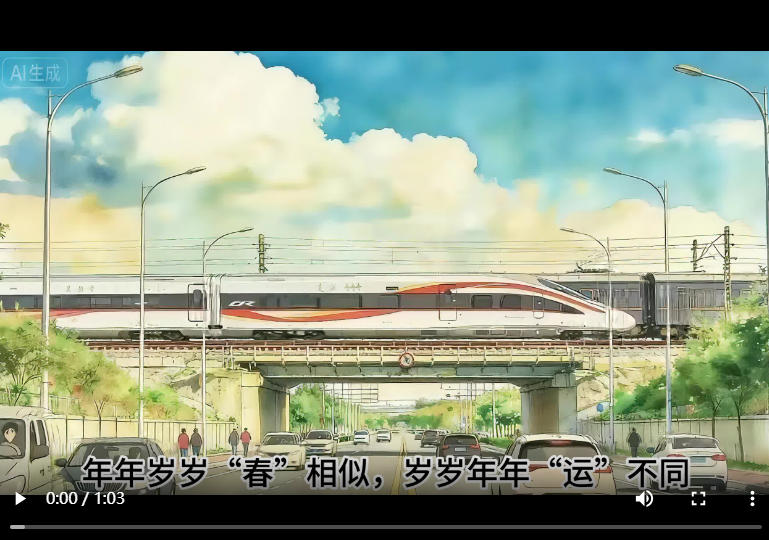
好评中国|AI创意视频:“反向春运”,映照时代变迁中的家国温情
Huan Qiu Wang· 2026-02-26 05:12
Group 1 - The core idea of the article highlights the emerging trend of "reverse Spring Festival travel," where more elderly individuals are traveling to cities where their children live, bringing local specialties from their hometowns for family reunions during the New Year [2] - In response to this trend, the railway department has implemented discount offers on several return empty trains, which not only activates idle capacity but also reduces travel costs for passengers [2] - The introduction of various age-friendly services, such as dedicated phone support for elderly travelers and "caring windows," aims to make the journey easier for older adults, enhancing their travel experience [2] Group 2 - The "reverse Spring Festival travel" reflects societal changes and promotes social development, allowing elderly individuals to experience their children's living environments and cultural practices, thereby fostering communication and understanding [2] - The continuous growth of reverse passenger flow is driving more efficient and rational allocation of transportation resources within the system, indicating a shift in family dynamics and increased urban inclusivity [2] - The article emphasizes that as the focus of development remains on human needs, the concept of "Flowing China" is progressing steadily, combining speed with warmth in its journey towards a shared future [2]
马年春节假日盘点
Xin Lang Cai Jing· 2026-02-23 21:43
Group 1: Transportation Trends - The Spring Festival holiday from February 15 to February 23 is expected to see over 2.6 billion cross-regional trips, with daily averages potentially reaching new highs [1] - A notable trend is the "reverse Spring Festival," where many young people are opting to bring their parents to their working cities for reunion instead of returning home [2] - Self-driving travel is projected to account for 80% of holiday travel, with daily peak traffic on highways expected to reach 71 million vehicles [3] Group 2: Production and Supply - Numerous enterprises are maintaining production during the holiday, with over 260 companies in Ningbo and more than 280 in Luoyang continuing operations, reflecting a 30-company increase from 2025 [4] - Key industrial enterprises in Tianjin are expected to achieve an overall resumption rate of 86.3% by February 24 [4] - Northeast Pharmaceutical and State Grid are ensuring supply stability with thousands of employees working through the holiday [5] Group 3: Market Demand and Orders - The demand for high-performance optical fibers has surged, with Nanjing Huaxin Tencan Optical Communication Co. reporting full orders extending into the second half of the year [6] - The concept of "Spring Festival without stopping" is seen as a proactive measure to stabilize customer relations and market presence [6] Group 4: Tourism and Cultural Activities - The search interest in traditional cultural activities like lantern festivals and temple fairs has increased by 117% during the holiday [9] - The Harbin Ice and Snow World saw a record daily visitor count of over 120,000, highlighting the appeal of winter tourism [10] - Hainan's duty-free shopping during the first holiday after the island's free trade port operation saw a 19% increase in spending, totaling 1.38 billion yuan [10] Group 5: Robotics and Technology - The integration of humanoid robots into traditional celebrations has gained popularity, with rental orders for robots increasing by nearly 70% during the holiday [12] - The market is expected to see accelerated application of humanoid robots in various scenarios, with 2026 being a pivotal year for the industry [12]
马年春节假日盘点·交通篇丨反向团圆多、自驾出行旺、服务添暖意——流动中国彰显澎湃活力
Xin Lang Cai Jing· 2026-02-23 16:33
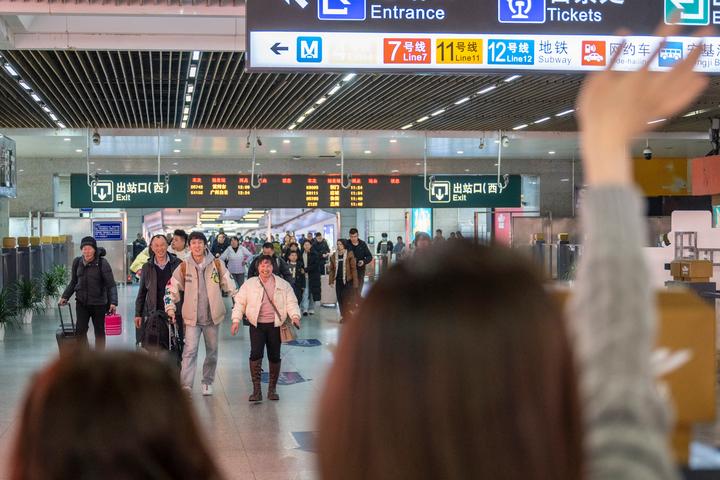
Group 1 - The core viewpoint of the article highlights the significant increase in travel during the Spring Festival, with over 2.6 billion people expected to travel across regions, setting a new record for daily travel volume during this holiday period [3] - The trend of "reverse Spring Festival travel" is emerging, where many young people are inviting their parents to their work cities instead of returning home, indicating a shift in family reunion dynamics [3][6] - Major cities such as Beijing, Shanghai, Guangzhou, and Shenzhen are becoming popular travel destinations for older travelers, particularly those over 60 years old [5] Group 2 - Self-driving travel is expected to dominate this year's holiday travel, accounting for 80% of all trips, with daily traffic on highways projected to reach a peak of 71 million vehicles [6] - The rental car market is also experiencing significant growth, with an expected double-digit increase in daily rental orders during the holiday [6] - Various local governments and transportation departments are enhancing service guarantees to ensure smooth travel, including increasing transportation capacity and optimizing vehicle allocation in popular tourist areas [7][8]
超50亿人次流动背后的春运之变
Xin Lang Cai Jing· 2026-02-23 16:32
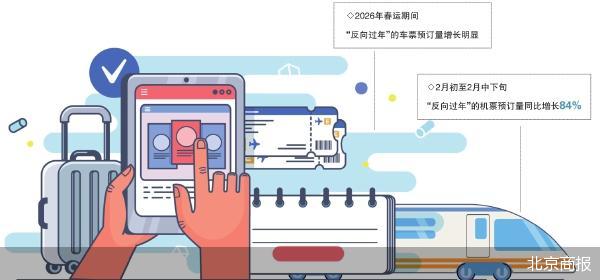
Core Insights - The 2026 Spring Festival travel season has set multiple records, with over 50.8 billion people expected to travel across regions in the first 20 days, averaging 2.5 billion daily, indicating a significant economic recovery and increased travel demand [3][4][7] Group 1: Travel Data and Trends - The 2026 Spring Festival holiday, recognized as the longest in history, saw daily travel volumes exceeding 3 billion people on two-thirds of the days during the holiday period [3] - The total expected cross-regional travel volume during the Spring Festival is projected to exceed 28 billion, compared to over 23 billion in 2025 [3][4] - On February 22, the peak travel day, cross-regional movement reached 3.8 billion, marking a 12.3% year-on-year increase [3] Group 2: Changes in Travel Behavior - The travel patterns have shifted from traditional homecoming to a mix of visiting relatives, tourism, and leisure activities, with self-driving becoming the dominant mode of transport [4][5] - The trend of "reverse Spring Festival" is gaining traction, with ticket bookings for this trend increasing by 84% compared to the previous year [5][6] Group 3: Technological Advancements in Transportation - The transportation sector is leveraging technology to enhance travel safety and efficiency, including the use of drones for monitoring and AI models for traffic management [7][8] - The integration of personalized services and technological innovations is transforming the travel experience, making it more efficient and enjoyable [8] Group 4: Economic Impact - The ongoing trend of "reverse Spring Festival" is expected to inject new momentum into consumption and tourism markets, effectively activating urban consumption potential during the traditionally slow season [6] - The anticipated total cross-regional travel volume for the 2026 Spring Festival is projected to reach 95 billion, indicating a robust recovery and growth in the travel sector [7]
20天超50亿人次,2026年春运全社会跨区域人员流动量创新高
Bei Jing Shang Bao· 2026-02-23 11:39
Core Insights - The 2026 Spring Festival travel season has set multiple records, with over 50.8 billion cross-regional passenger flows in the first 20 days, averaging 2.5 billion daily, indicating economic recovery and increased travel demand [4][5][8] - The trend of "reverse Spring Festival" is gaining momentum, with ticket bookings for this phenomenon increasing by 84% compared to the previous year, reflecting changes in family structures and modern travel preferences [6][7] Group 1: Record Data - The Spring Festival travel period from February 2 to March 13, 2026, has seen unprecedented passenger flow, with a projected total of 95 billion cross-regional movements [8] - During the holiday, the peak day on February 22 recorded 3.8 billion passenger flows, a 12.3% increase year-on-year, with significant contributions from rail, road, and air travel [5][8] - The overall passenger flow during the Spring Festival is expected to exceed 28 billion, compared to 23 billion in 2025, showcasing a robust growth trend [5][8] Group 2: Changing Travel Patterns - The travel patterns have shifted from traditional homecoming to a mix of family visits, tourism, and leisure activities, with self-driving becoming the dominant mode of transport [5][7] - The increase in travel by older adults (60+) has been notable, with a 35% rise in flight bookings, indicating a shift in travel demographics [7] - Discounts and new services for elderly travelers, such as phone booking and luggage delivery, have been introduced to enhance the travel experience [7] Group 3: Technological Advancements - The integration of technology in transportation has improved safety and efficiency, with innovations like drone surveillance and AI models for traffic management being implemented during the Spring Festival [8][9] - The development of a more personalized and intelligent transportation system is expected to facilitate smoother travel experiences and a more balanced passenger flow throughout the year [9]

海底捞:春节前五天客流超700万人次
Xin Lang Cai Jing· 2026-02-20 11:03
Core Insights - During the Spring Festival, over 1,000 Haidilao restaurants operated normally on New Year's Eve, and over 1,200 opened on the first day of the new year, with more than 1,300 returning to normal operations from the second day onwards [1][2] - In the first five days of the Spring Festival holiday, Haidilao served over 7 million customers nationwide, with customer traffic on New Year's Eve and the first day of the new year increasing by over 10% compared to the same period last year [1][2] - The company noted a trend of "reverse flow" during the Spring Festival, where many young people chose not to return home but instead invited their parents to their work cities, leading to increased customer traffic in major cities [1][2] - In Beijing and Shenzhen, customer traffic at Haidilao restaurants on New Year's Eve and the first day of the new year grew by over 18% and 17% respectively compared to last year [1][2]

今年春节,中产大孝子拯救城市酒店
36氪· 2026-02-19 13:05
Core Viewpoint - The article discusses the emerging trend of "reverse Spring Festival travel," where parents travel to their children's cities for the holiday instead of the traditional return to their hometowns, highlighting a shift in family dynamics and consumer behavior during the festive season [17][20][49]. Group 1: Reverse Spring Festival Travel - The trend of parents visiting their children in urban areas during the Spring Festival has become increasingly popular, with a reported 84% year-on-year increase in ticket bookings for reverse travel [17]. - The cost of tickets for reverse travel is generally 30%-50% lower than traditional return tickets, making it a more economical choice for families [18]. - This shift is changing the definition of family reunions, as urban hotels are becoming preferred venues for celebrations, providing a comfortable and convenient alternative to cramped family homes [19][21][25]. Group 2: Hotel Industry Response - Hotels are adapting to this new demand by offering family-oriented packages and services, such as special dining options and room configurations that cater to larger family groups [28][43]. - The trend has led to a significant increase in bookings for family suites, with many guests requesting additional amenities like extra beds or connecting rooms [26]. - Hotels are also creating unique local experiences for families, such as guided tours and cultural activities, to enhance the stay for visiting parents [45]. Group 3: Social Dynamics and Emotional Aspects - The hotel environment is facilitating social interactions among parents from different regions, allowing them to share experiences and form connections, which serves as emotional support for those visiting unfamiliar cities [46]. - The article raises questions about the potential emotional impact on parents who may feel a sense of loss when returning to their hometowns after experiencing the comforts of hotel living [48]. - This trend reflects a broader societal shift in how families express care and maintain connections, moving away from traditional practices towards more modern, service-oriented solutions [50][51].