反向过年

Search documents
华侨城A(000069) - 2026年2月主要业务经营情况公告
2026-03-13 10:30
2026 年 2 月,公司无新增土地情况。 三、2026 年 2 月旅游综合业务情况 2026 年 2 月,公司旗下文旅企业合计接待游客 766 万人次;2026 年 1-2 月,公司旗下文旅企业合计接待游客 1320 万人次。公司紧抓 春节市场趋势,聚焦"反向过年"消费需求,整合多元业态资源,融 合非遗民俗、AI 体验与休闲娱乐,打造新春节庆活动,丰富游客文 化体验。 证券代码:000069 证券简称:华侨城 A 公告编号:2026-13 深圳华侨城股份有限公司 2026 年 2 月主要业务经营情况公告 本公司及董事会全体成员保证公告内容的真实、准确、完整,没 有虚假记载、误导性陈述或重大遗漏。 一、2026 年 2 月房地产销售情况 2026 年 2 月,公司实现合同销售面积 2.6 万平方米,合同销售 金额 3.9 亿元。2026 年 1-2 月,公司累计实现合同销售面积 7.2 万 平方米,合同销售金额 9.8 亿元。 二、2026 年 2 月新增土地情况 注:月度经营数据为阶段性信息,可能与后续定期报告数据存在 差异,敬请投资者以公司正式发布的定期报告为准。 特此公告。 1 深圳华侨城股份有限公司 ...

中金研途 | 春节见闻:寻找年味的“双向奔赴”
中金点睛· 2026-03-01 01:05
Core Viewpoint - The article highlights the evolving dynamics of the Spring Festival, emphasizing the "dual-directional journey" that connects generations, traditional customs with modern technology, and quality supply with the demand for a better life [1][3][53]. Group 1: Intergenerational Dual-directional Journey - The trend of "reverse New Year" is gaining popularity, where parents travel to their children's cities for the holiday, with a reported 84% increase in ticket bookings for this trend in early February 2026 compared to the previous year [5][4]. - Major cities like Beijing, Shanghai, and Chengdu are becoming more vibrant as they transform into inclusive homes for family reunions, reflecting a shift in traditional holiday practices [5][4]. Group 2: New Consumption Patterns in Lower-tier Cities - In lower-tier cities, new consumption patterns are emerging, with a high density of tea and snack stores attracting returning young people, indicating a shift in local consumer behavior [14][15]. - The nightlife economy in these areas, particularly in venues like Livehouses, is showing significant activity, with attendance and spending levels surpassing those in first-tier cities during the holiday period [16][19]. Group 3: Integration of Tradition and Technology - The Spring Festival showcased technological advancements, such as humanoid robots performing at the Spring Festival Gala, highlighting the intersection of culture and technology [20][21]. - In cities like Shenzhen, drone delivery services are becoming commonplace, enhancing convenience for residents and showcasing the city's technological prowess [21][22]. Group 4: Quality Supply and Demand for a Better Life - The extended holiday period in 2026 saw 596 million domestic trips, a 19% increase from the previous year, with total spending reaching approximately 803.48 billion yuan, reflecting a robust recovery in travel and leisure spending [28][29]. - Upgrades in urban commercial areas, such as Shanghai's Nanjing Road, have attracted significant foot traffic, with a reported 84.6% increase in visitors compared to the previous year, driven by new store openings and enhanced consumer experiences [30][31][32].

新茶饮的“最强春节档” 有门店业绩环比增超1500%
2 1 Shi Ji Jing Ji Bao Dao· 2026-02-27 08:39
Core Insights - The new tea beverage market experienced significant growth during the 2026 Spring Festival, driven by a combination of a 9-day holiday and increased consumer spending [1][6] - Major brands reported explosive sales increases, with some stores seeing sales growth of over 130% year-on-year and certain locations achieving up to 790% growth compared to pre-holiday levels [1][2] Group 1: Sales Performance - Jasmine Milk White's nationwide store GMV increased by over 130%, with some stores achieving a 790% increase in sales compared to the period before the holiday [1] - Sweet Lala reported some stores with over 1500% growth, and over 800% growth in more than a thousand rural stores [1] - Popular tourist cities like Chongqing, Chengdu, and Shanghai led in sales, with brands like Bawang Tea Ji and Jasmine Milk White performing exceptionally well [2] Group 2: Consumer Behavior - Consumers indulged more during the holiday, with reports of daily purchases of tea beverages, indicating a shift in spending habits during festive periods [1] - The influx of tourists, including international visitors, contributed to increased sales, particularly in scenic areas and transportation hubs [2][3] Group 3: Operational Strategies - Many brands adopted a "24-hour operation" strategy during the holiday, which significantly boosted sales, especially during late-night hours [3][4] - Brands prepared extensively for the holiday by hiring additional staff and stocking up on inventory to meet the increased demand [5] Group 4: Marketing and Promotions - Brands implemented various marketing strategies, including festive decorations and themed packaging, to enhance the holiday shopping experience [6] - The strong performance during the Spring Festival highlighted the robust growth potential of the new tea beverage industry, particularly in lower-tier markets and during peak consumption periods [6]
2026春运进行时|滴滴春节出行数据:广州、武汉等一线新一线城市两位数增长
Sou Hu Cai Jing· 2026-02-27 05:30
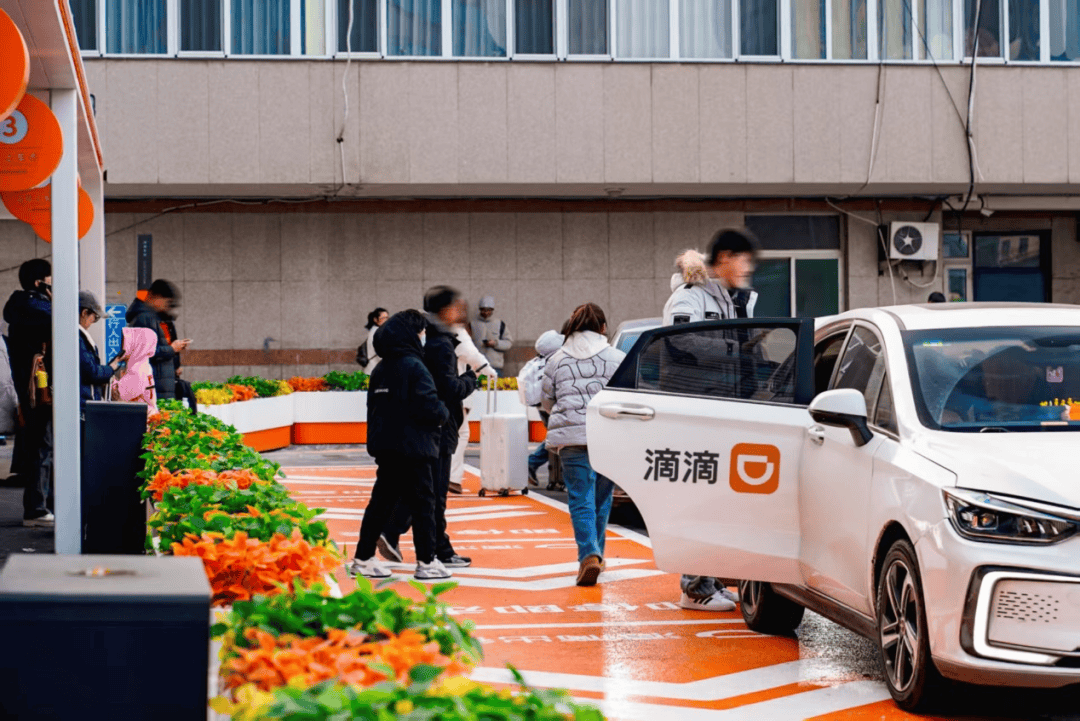
Group 1 - The core viewpoint of the article highlights the significant increase in transportation demand during the Chinese New Year, driven by the trend of "dual-direction travel" and the "reverse New Year" phenomenon, particularly in lower-tier cities [1][4][10] - The demand for intercity rides in third-tier cities and below surged by 95% compared to regular days, with long-distance orders (over 100 kilometers) increasing by 43% [4] - The average daily intercity ride orders from users aged 55 and above in lower-tier cities to first-tier and new first-tier cities rose by 45% year-on-year [4] Group 2 - The trend of "returning home first and then traveling" during the nine-day holiday led to a 42% increase in ride-hailing demand for tourism [5] - The demand for six-seat vehicles increased by 141% due to the need for family and friends traveling together, with visiting friends and relatives accounting for 15% of ride-hailing usage [6] - The peak days for ride-hailing to tourist attractions were from February 19 to February 21, with a 42% year-on-year increase in demand during this period [6] Group 3 - Charging demand during the Spring Festival grew by 37% year-on-year, with historical and coastal cities being particularly popular among users [8] - Major cities like Nanjing, Qingdao, and Zhengzhou saw significant increases in charging orders, with growth rates of 68%, 53%, and 50% respectively [8] - Fuel demand also rose significantly, with cities known for cultural traditions, such as Shantou and Harbin, experiencing increases of 45% and 22% in refueling orders compared to regular days [8] Group 4 - The optimization of visa policies has led to a surge in inbound tourism, with ride-hailing orders from inbound users increasing by 74% during the holiday [10] - Users from countries such as South Korea, Russia, Malaysia, and Singapore were the most active in utilizing ride-hailing services during this period [10]

新茶饮的“最强春节档”
2 1 Shi Ji Jing Ji Bao Dao· 2026-02-27 00:34
Core Insights - The new tea beverage market experienced explosive growth during the 2026 Spring Festival, driven by a record 9-day holiday and increased consumer spending [1][2] - Brands like Jasmine Milk White and Sweet Lala reported significant sales increases, with some stores seeing sales growth of over 1500% compared to pre-holiday levels [1][2] Group 1: Market Performance - Jasmine Milk White's nationwide store GMV increased by over 130%, with some locations experiencing a 790% increase in sales compared to the previous period [1] - Sweet Lala's performance was remarkable, with certain stores achieving over 1500% growth and over 800% growth in rural locations [1][2] - Popular tourist cities such as Chongqing, Chengdu, and Shanghai led in sales, with brands like Bawang Tea Princess also performing strongly [2] Group 2: Consumer Behavior - Consumers indulged more during the holiday, with reports of daily purchases of tea beverages, reflecting a shift in spending habits during the festive season [1] - The influx of tourists, including international visitors, contributed to increased sales, particularly in scenic areas and transportation hubs [2][3] Group 3: Operational Strategies - Many stores operated 24/7 during the holiday, leading to increased sales, especially during nighttime hours, with peak orders reaching 300-400 cups per hour [3][4] - Brands prepared extensively for the holiday, with significant inventory investments to avoid stock shortages, ensuring a steady supply to meet demand [5][6] Group 4: Marketing and Promotions - Brands implemented various marketing strategies, including festive decorations and themed packaging, to enhance the holiday shopping experience [6] - The strong performance during the Spring Festival highlighted the potential for growth in the new tea beverage sector, particularly in lower-tier markets and through nighttime sales [6]
新茶饮的“最强春节档” 丨咖啡茶饮龙门阵
2 1 Shi Ji Jing Ji Bao Dao· 2026-02-27 00:29
Core Insights - The new tea beverage market experienced significant growth during the 2026 Spring Festival, driven by a combination of a long holiday and increased consumer spending [1][6] - Brands such as Jasmine Milk White and Sweet Lala reported explosive sales increases, with some stores seeing sales growth of over 1500% compared to pre-holiday levels [1][2] Group 1: Sales Performance - Jasmine Milk White's nationwide store GMV increased by over 130% year-on-year, with some stores experiencing a 790% increase compared to the pre-holiday period, selling nearly 10 million cups of tea [1] - Sweet Lala reported that some stores saw a 1500% increase in sales, with over 800% growth in rural stores [1][2] - The performance of tea brands was particularly strong in major tourist cities, with sales in Chongqing, Chengdu, Shanghai, Beijing, and Hangzhou leading the market [2] Group 2: Consumer Behavior - Consumers indulged more during the holiday, with reports of daily purchases of tea beverages, reflecting a shift in spending habits during the festive season [1] - The influx of tourists, including international visitors, contributed to increased sales, with some stores reporting daily sales tripling compared to normal [2][3] Group 3: Operational Strategies - Many stores operated 24 hours during the holiday, leading to significant increases in nighttime orders, with peak hours seeing up to 400 orders per hour [3] - Brands prepared extensively for the holiday, with significant stockpiling to avoid shortages, and implemented flexible strategies to manage high demand [5][6] Group 4: Marketing and Promotions - Brands engaged in various marketing activities to enhance the festive atmosphere, including customized packaging and promotional displays [6] - The strong performance during the Spring Festival highlighted the robust growth potential of the new tea beverage industry, particularly in lower-tier markets and tourist areas [6]
开门红!春节假期创多项“新高” 中国经济“马”力十足
Yang Guang Wang· 2026-02-26 07:59
Group 1 - The domestic tourism market saw significant growth during the Spring Festival, with 596 million domestic trips taken, an increase of 95 million trips compared to the previous year, and total spending reaching 803.48 billion yuan [2] - There was a notable shift in travel patterns, with a 40% increase in ticket bookings by individuals aged 60 and above, while younger travelers showed a preference for smaller towns, with hotel bookings in places like Yangshuo and Pingtan increasing over fourfold [1][2] - The popularity of traditional cultural experiences surged, with significant attendance at events like the Harbin Ice and Snow Festival and the Luoyang Night Tour, indicating a willingness to spend on cultural experiences [2][3] Group 2 - The consumption trend shifted towards higher quality and healthier products, with green appliances and smart products gaining popularity, reflecting a move towards quality over quantity in consumer spending [4] - The government initiated a reward invoice pilot program in 50 cities, distributing 10 billion yuan in bonuses during the Spring Festival, which contributed to consumer confidence and spending [4] - Overall, the Spring Festival consumption market was characterized by high enthusiasm, strong support from government policies, and a trend towards consumption upgrades, showcasing the resilience and potential of the Chinese economy [4]
反向过年、AI入局、非遗出圈——2026春节文旅三大“破圈”趋势
Zhong Guo Jing Ji Wang· 2026-02-26 06:19
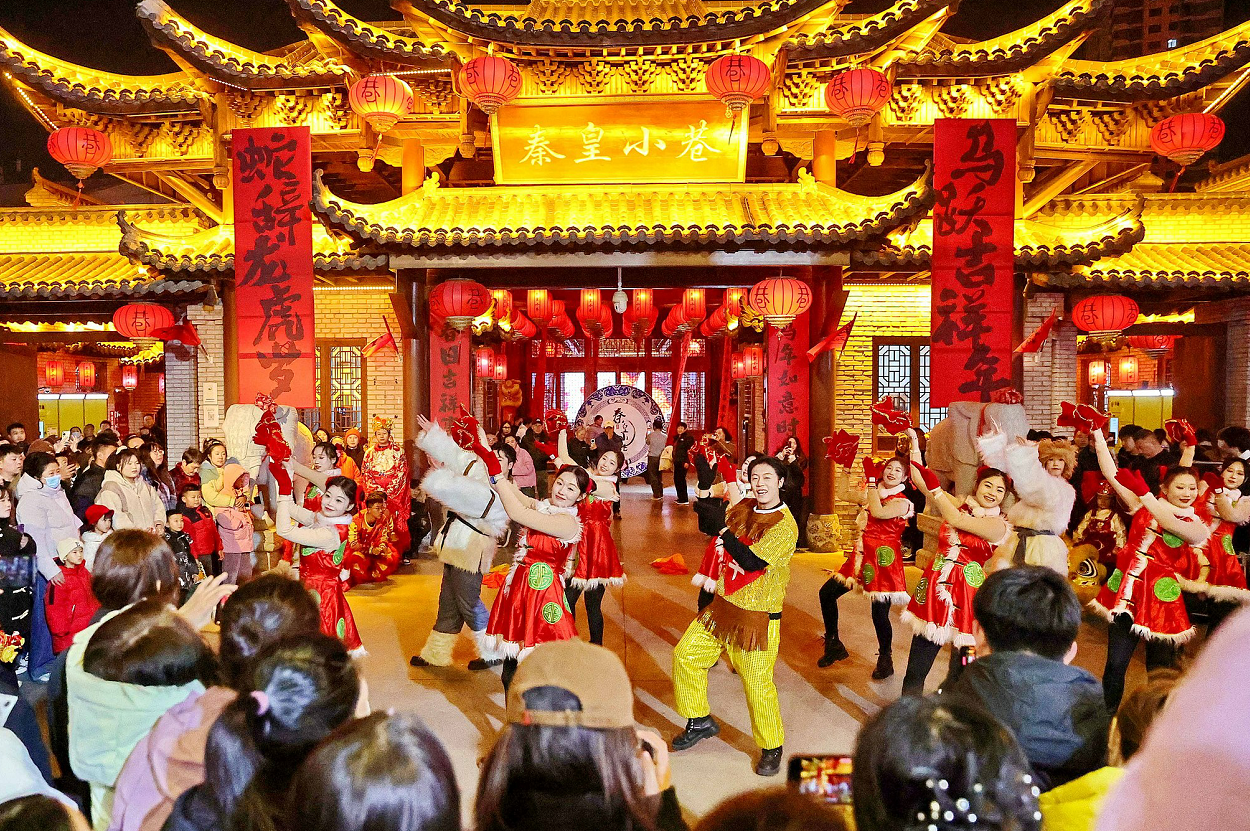
Core Insights - The Chinese domestic tourism market experienced a record high during the Spring Festival, with 596 million trips taken and total spending reaching 803.48 billion yuan, marking an increase of 95 million trips and 126.48 billion yuan compared to the previous year [1][5] - The growth in the tourism market reflects a shift from quantity to quality, driven by evolving consumer lifestyles and cultural demands, laying a solid foundation for high-quality development in the tourism industry [1][5] Group 1: Market Performance - During the Spring Festival, the number of domestic travelers reached 596 million, an increase of 95 million from the previous year, while total spending was 803.48 billion yuan, up by 126.48 billion yuan [1] - The peak period saw significant service demand, with AI service robots deployed in hotels serving over 9.58 million people, and task execution volume increasing 2.2 times year-on-year [2] - The average transaction price for air tickets exceeded 700 yuan, and hotel prices averaged nearly 300 yuan per night, indicating a shift towards higher-value services [2] Group 2: Consumer Behavior Trends - The trend of "reverse New Year" is gaining popularity, with more young people inviting their parents to celebrate in their cities, reflecting a new balance between family warmth and personal needs [3] - Long-distance travel has become mainstream, with an average travel duration of 6.4 days, indicating a shift from traditional return-home patterns to more flexible travel arrangements [2][3] - The integration of intangible cultural heritage (ICH) into tourism experiences has enhanced engagement, with traditional customs becoming interactive and participatory [3][4] Group 3: Technological Integration - AI technology has played a crucial role in enhancing service efficiency, with AI systems handling various customer requests and significantly increasing the volume of AI-generated bookings [2][4] - The fusion of technology and tradition has led to new cultural expressions, with AI being used to generate personalized cultural designs and enhance traditional performances [4] - Data from platforms like Fliggy shows a significant increase in domestic travel orders, with ticket orders up over 80% and hotel night stays increasing by 75% compared to the previous year [4][5]
春节消费新趋势,一组数据带你感受
Xin Hua Wang· 2026-02-26 06:09
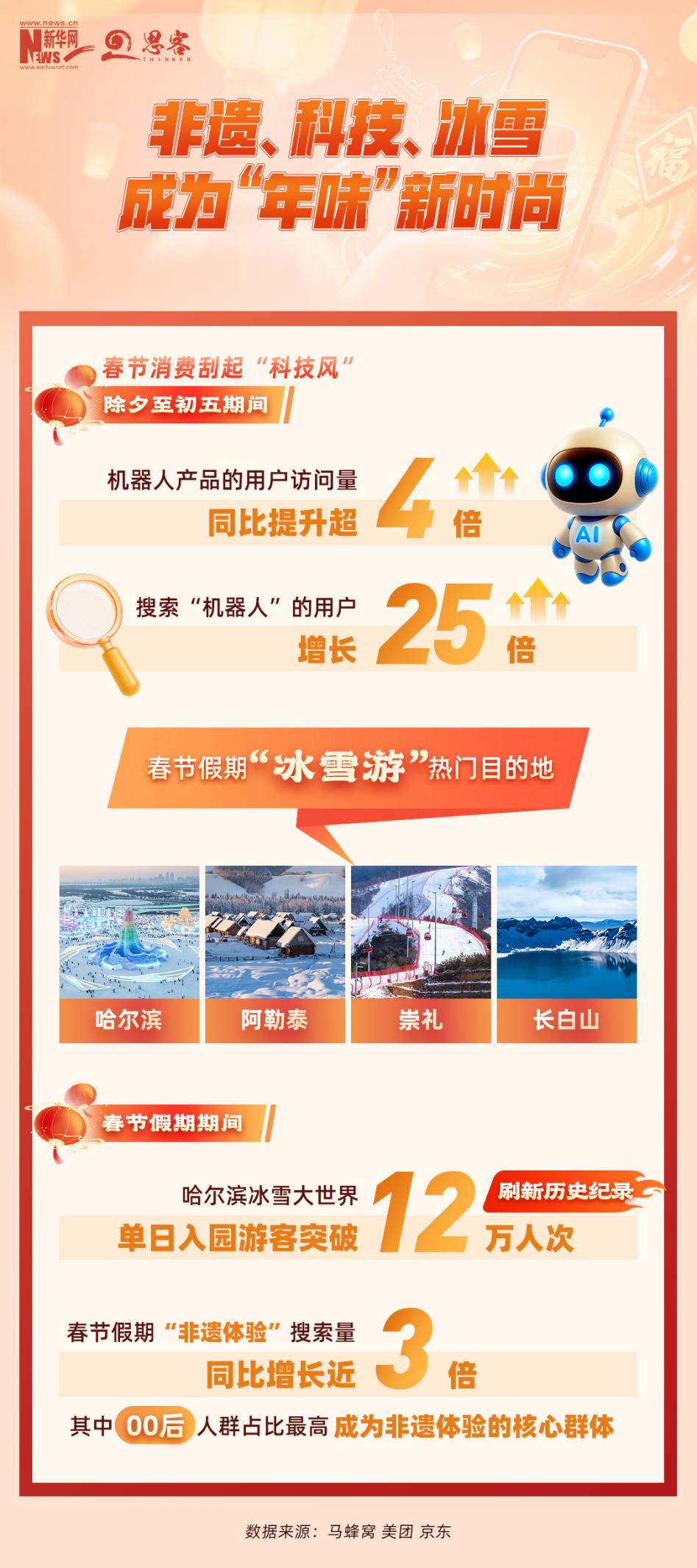
Group 1 - The Spring Festival holiday saw a surge in consumer activity, with new trends emerging in consumption patterns, including "segment-style" and "reverse" celebrations [2][6] - Foreign tourists are increasingly visiting China during the Spring Festival to experience traditional culture, with cities like Beijing and Shanghai offering curated travel routes and cultural experiences [2] - The integration of technology into the Spring Festival celebrations, such as robot performances, has sparked consumer interest in tech products, leading to significant sales growth [3][6] Group 2 - The experience of intangible cultural heritage has shifted from "check-in" to "immersive," attracting young tourists to engage in traditional cultural activities [6] - The Winter Olympics coinciding with the Spring Festival has boosted interest in winter sports, with indoor skiing facilities seeing a 117% increase in search volume in Shanghai [6] - New service consumption trends have emerged, including on-demand services like pet care and home chefs, reflecting a growing demand for personalized and quality services during the holiday [7][9]
深圳春节期间用电量同比增长9%,折射“反向过年”新热潮
Nan Fang Du Shi Bao· 2026-02-26 05:41
Core Insights - Shenzhen's total electricity consumption during the Spring Festival period (February 16 to February 23) reached 1.185 billion kilowatt-hours, marking a year-on-year increase of 9% [2] Group 1: Electricity Consumption by Sector - The tertiary industry accounted for 567 million kilowatt-hours of electricity consumption, showing the highest growth rate of 15.93% [2] - The secondary industry consumed 412 million kilowatt-hours, with a stable year-on-year growth of 5%, where industrial electricity usage was 398 million kilowatt-hours, reflecting a 5.3% increase [3] - The residential electricity consumption was 204 million kilowatt-hours, with a slight increase of 0.41% year-on-year [3] Group 2: Impact of Tourism and Services - Shenzhen ranked among the top five popular destinations for "reverse Spring Festival" travel, with hotel bookings entering the national top three for the first time [2] - The inbound tourism surge led to a 31% year-on-year increase in inbound travel orders, significantly boosting the electricity consumption in accommodation, catering, leasing, and business services, which grew by 6.3%, 24.27%, and 30.6% respectively [2] - The charging and swapping service industry saw a remarkable increase in electricity consumption, reaching 75.71% year-on-year growth, totaling 75.6 million kilowatt-hours [2]