互联网司法

Search documents
聚智共研启新程 法护网界谱华章
Sou Hu Cai Jing· 2026-02-10 13:00
本报记者 广辉 为深入贯彻落实新时代司法改革要求,破解互联网司法实践难题,推动互联网法院(法庭)高质量发展,更好地服务数字经济发展与社会治理现代 化,2月5日—7日,由长春新区人民法院主办的新形势下互联网法院(法庭)发展路径研讨会在长春召开。杭州、北京、广州、成都、苏州等地互联网 法院(法庭)主要领导,长春新区管委会相关领导、抖音集团法律合作总监受邀列席,新区法院全体班子成员及相关部门负责人全程参与,共话互联 网司法创新实践,共商协同发展良策。 主旨发言环节,与会领导结合各自法院(法庭)工作实际逐一交流发言、分享实践成果,围绕互联网案件审理机制创新、智慧司法技术应用、跨区域 司法协同、数字法治人才培养等关键议题,提出具有针对性、前瞻性、可操作性的意见建议。新区法院分党组成员、副院长杨光阐述了人工智能与司 法审判的融合正从辅助走向全程赋能,未来应构建"数据中台+类案引擎"双轮驱动模式,实现"审理一案、治理一片"的效能提升。 自由研讨阶段,嘉宾们围绕会议主题,聚焦新形势下互联网司法面临的新情况、新问题,展开深入探讨、激烈交流,既有对过往工作的复盘总结,也 有对现存问题的深刻剖析,更有对未来发展的精准谋划。研讨会尾 ...


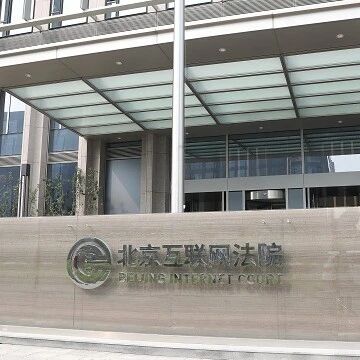
互联网法院“功能重塑”,透露哪些信号
第一财经· 2025-10-16 13:23
Core Viewpoint - The article discusses significant changes in the jurisdiction of internet courts in China, effective from November 1, focusing on complex cases while removing simpler, repetitive cases from their purview [3][5]. Summary by Sections Changes in Jurisdiction - The Supreme Court has issued new regulations that expand the jurisdiction of internet courts in Beijing, Hangzhou, and Guangzhou to include four new types of cases: "network data," "personal information protection and privacy," "virtual property," and "unfair competition disputes" [3][5]. - Simultaneously, it removes simpler cases such as "financial loans," "small loan contract disputes," and certain "copyright disputes" from its jurisdiction, addressing the issue of overwhelming simple cases that consume judicial resources [3][5][6]. Historical Context and Issues - Initially, internet courts were established to explore online litigation rules, but the effectiveness of this mission has diminished as many courts can now conduct online hearings [6][10]. - The Beijing Internet Court reported handling 194,000 cases from its establishment in 2018 to July 2023, with a high concentration of simple cases, leading to a "case overload" issue [6][10]. Strategic Repositioning - Experts suggest that the recent adjustments are not merely minor tweaks but a strategic reconfiguration of the internet courts' functions, aiming to focus on complex and emerging digital economy-related disputes [6][9]. - The article emphasizes the need for dynamic adjustments in jurisdiction based on the maturity of case types and the necessity for rule exploration in new areas [7][9]. Future Directions - The internet courts are expected to evolve into "rule incubators" for governance in the digital space, addressing issues like data rights, platform economy, and algorithm governance [14][15]. - There is a call for establishing judicial review standards for platform rules, ensuring fairness and transparency in algorithmic decision-making [15][16]. - The article highlights the importance of maintaining judicial integrity while innovating procedural rules, ensuring that the rights of parties involved are not diminished [16].