
亚太地区和平

Search documents
王毅就中日关系重申严正立场:日本如果再赌一次,只能败得更快,输得更惨!
Yang Shi Xin Wen· 2026-02-15 01:18
Core Viewpoint - The Chinese Foreign Minister Wang Yi emphasized that China plays a crucial role in maintaining peace in the Asia-Pacific region, countering claims of increasing tensions and highlighting Japan's recent provocative statements regarding Taiwan as a significant concern for regional stability [1][2]. Group 1: China's Role in Regional Peace - Wang Yi stated that despite some local conflicts, such as the recent skirmish at the Cambodia-Thailand border, Asia remains largely peaceful, with China acting as a pillar of stability [1]. - He asserted that China will continue to contribute constructively to regional peace and stability as a major global peace force [1]. Group 2: Concerns Regarding Japan - Wang Yi criticized the Japanese Prime Minister's remarks about Taiwan, interpreting them as a revival of militarism and a challenge to China's sovereignty [2]. - He drew historical parallels, warning that Japan's invocation of "crisis survival situations" echoes its past aggressive actions, urging vigilance against the resurgence of extreme right-wing ideologies in Japan [2]. - Wang Yi called for peace-loving nations to caution Japan against reverting to militaristic policies, suggesting that such a path would lead to self-destruction [2].
王毅就日本危险动向重申严正立场
Xin Lang Cai Jing· 2026-02-14 14:35
Core Viewpoint - The article emphasizes the potential dangers posed by Japan's recent political statements and actions, particularly regarding Taiwan, and warns of the historical implications of Japan's militaristic tendencies [1] Group 1: Japan's Political Statements - Japan's current Prime Minister has publicly claimed that a crisis in the Taiwan Strait would justify Japan exercising collective self-defense, marking the first time in 80 years such a statement has been made [1] - This statement is viewed as a direct challenge to China's sovereignty and the post-war international order regarding Taiwan [1] Group 2: Historical Context - The article compares Japan's post-war handling of its militaristic past with Germany's, highlighting that Japan continues to honor war criminals, which is seen as a root cause of current tensions [1] - The article suggests that Japan's leadership is exhibiting a revival of militaristic ambitions, reminiscent of its historical invasions [1] Group 3: Warnings to Japan and the International Community - There is a call for the Japanese people to be wary of extreme right-wing forces and ideologies that could lead to a repeat of past mistakes [1] - The article warns that if Japan continues down this path, it risks self-destruction and urges peace-loving nations to issue warnings to Japan [1]
王毅警告日方:如果再赌一次,只能败得更快,输得更惨!
Xin Lang Cai Jing· 2026-02-14 14:34
Group 1 - The core viewpoint of the articles emphasizes that China is a stabilizing force in the Asia-Pacific region, countering claims of increasing tensions and asserting its role in maintaining peace [1][2] - Wang Yi highlights Japan's recent statements regarding Taiwan as a dangerous trend, marking a significant challenge to China's sovereignty and the post-war international order [1] - The comparison between Japan and Germany's post-war handling of historical issues is made, with Germany being praised for its comprehensive reckoning with fascism, while Japan is criticized for honoring war criminals [1] Group 2 - Wang Yi warns that Japan's leadership statements reveal lingering imperial ambitions and a revival of militarism, drawing parallels to historical invasions [2] - A call is made for Japanese citizens to be wary of extreme right-wing forces and for peace-loving nations to caution Japan against regressive paths that could lead to self-destruction [2]
王毅就中日关系重申严正立场
财联社· 2026-02-14 13:52
Core Viewpoint - The article emphasizes China's role as a stabilizing force in the Asia-Pacific region, countering claims of rising tensions and highlighting Japan's recent provocative statements regarding Taiwan as a threat to regional peace [1][2]. Group 1: China's Position on Regional Stability - Wang Yi asserts that the Asia-Pacific region remains generally peaceful, despite isolated conflicts, and credits China for its role in maintaining stability [1]. - The article mentions that China is committed to continuing its constructive role in ensuring peace and stability in the region [1]. Group 2: Japan's Provocative Statements - Wang Yi criticizes the Japanese Prime Minister's remarks about Taiwan, interpreting them as a revival of militaristic ambitions and a challenge to China's sovereignty [2]. - The article draws historical parallels, suggesting that Japan's rhetoric echoes its past justifications for aggression, warning that failure to learn from history could lead to disastrous consequences [2]. Group 3: Historical Context - A comparison is made between Japan and Germany's post-war handling of their respective histories, highlighting Japan's continued veneration of war criminals as a root cause of current tensions [1]. - The article calls for vigilance from both the Japanese public and the international community against the resurgence of extreme right-wing ideologies in Japan [2].

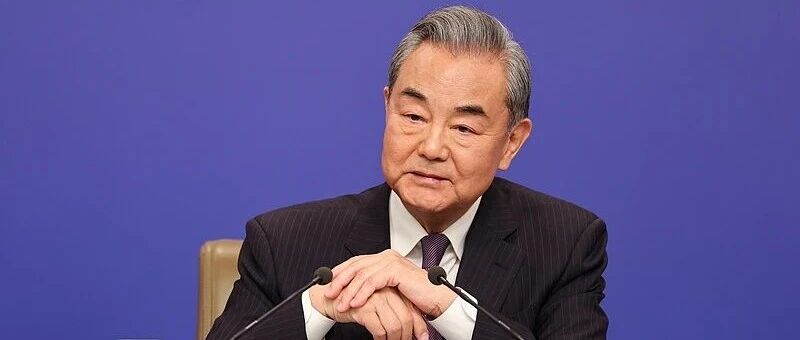
王毅:日本如果不思悔改,势必重蹈覆辙
Ren Min Ri Bao· 2026-02-14 13:28
Core Viewpoint - The speeches by Wang Yi at the Munich Security Conference emphasize China's role as a stabilizing force in Asia and criticize Japan's recent statements regarding Taiwan, which are seen as a revival of militarism and a challenge to China's sovereignty [1][2]. Group 1: China's Position on Regional Stability - Wang Yi asserts that Asia remains generally peaceful, despite recent tensions, and highlights China's constructive role in maintaining regional stability [1]. - He points out that localized conflicts, such as the recent Cambodia-Thailand border skirmish, were quickly resolved with China's involvement [1]. Group 2: Criticism of Japan's Actions - Wang Yi condemns the Japanese Prime Minister's remarks about Taiwan, interpreting them as a direct challenge to China's sovereignty and a revival of Japan's militaristic ambitions [2]. - He draws a historical parallel, noting that Japan's past justifications for aggression echo current rhetoric, warning that failure to learn from history could lead to disastrous consequences [2]. - The speech calls for vigilance among peace-loving nations regarding Japan's potential return to militarism, urging the Japanese people to resist extreme right-wing influences [2].