交易监管

Search documents
稳字当头 资本市场改革帷幕新启
Xin Lang Cai Jing· 2026-01-18 18:28
Group 1 - The core viewpoint of the article emphasizes the Chinese Securities Regulatory Commission's (CSRC) strategic plan for 2026, focusing on risk prevention, enhanced regulation, and promoting high-quality development in the capital market [1][2] - In 2025, the capital market demonstrated resilience and improved quality, with a total fundraising of 1.26 trillion yuan from IPOs and refinancing, and bond issuance reaching 16.3 trillion yuan [1] - The CSRC aims to establish a comprehensive market monitoring and early warning system to support counter-cyclical adjustments, ensuring market stability and health [2] Group 2 - The reform initiatives include enhancing the convenience and flexibility of refinancing, deepening the reform of the Growth Enterprise Market, and expanding channels for long-term funding [2] - The regulatory framework will focus on strengthening the constraints on controlling shareholders and actual controllers, improving systems for dividends, buybacks, and employee stock ownership [2] - Continuous reforms are necessary to enhance market resilience and vitality, ultimately serving the real economy and promoting technological innovation [3]


全球比特币钱包市场发展现状分析及前景趋势预测
Sou Hu Cai Jing· 2025-05-06 13:32
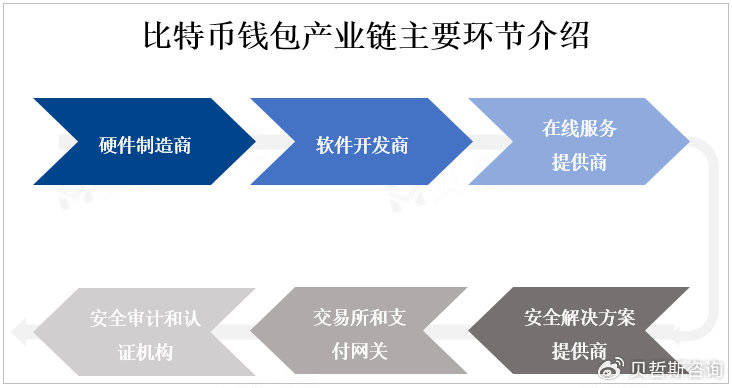
Core Insights - The Bitcoin wallet is a digital currency wallet used for storing, sending, and receiving Bitcoin, consisting of public and private key pairs for transaction management [1] - The Bitcoin wallet industry includes various segments such as hardware manufacturers, software developers, online service providers, security solution providers, exchanges, and auditing institutions [2] Industry Chain Analysis - Hardware manufacturers design, produce, and sell hardware wallets and ensure their security and reliability [2] - Software developers create and maintain wallet applications, focusing on user interface and encryption [2] - Online service providers offer web-based wallet services, ensuring secure storage and transaction processing [2] - Security solution providers focus on protecting wallets from hacking through measures like multi-signature and cold storage [2] - Exchanges and payment gateways facilitate transactions and allow users to buy and sell Bitcoin [2] - Security auditing institutions assess wallet security and compliance with privacy standards [2] Regulatory Policies - KYC and AML regulations require wallet providers to verify user identities and monitor transactions [4] - Licensing and registration requirements ensure compliance with regulatory standards, including capital and security measures [5] - Transaction regulations mandate reporting of suspicious activities to prevent illegal uses of Bitcoin [5] - Data privacy policies protect user information and limit data sharing [5] - Security standards require wallet providers to implement necessary measures to safeguard user assets [5] Market Overview - The Bitcoin wallet market is rapidly growing, driven by increasing demand for secure and convenient wallet services, with millions of global users [6] - The market is highly competitive, featuring well-known providers like Coinbase, Trezor, and Ledger [6] - The market encompasses various wallet types, including software, hardware, online, and paper wallets, each catering to different user needs [8] User Experience and Innovation - User experience is crucial, with demands for intuitive and feature-rich applications that provide real-time transaction information [9] - The market is seeing innovations such as biometric technology and decentralized identity verification to enhance security and user experience [9]